
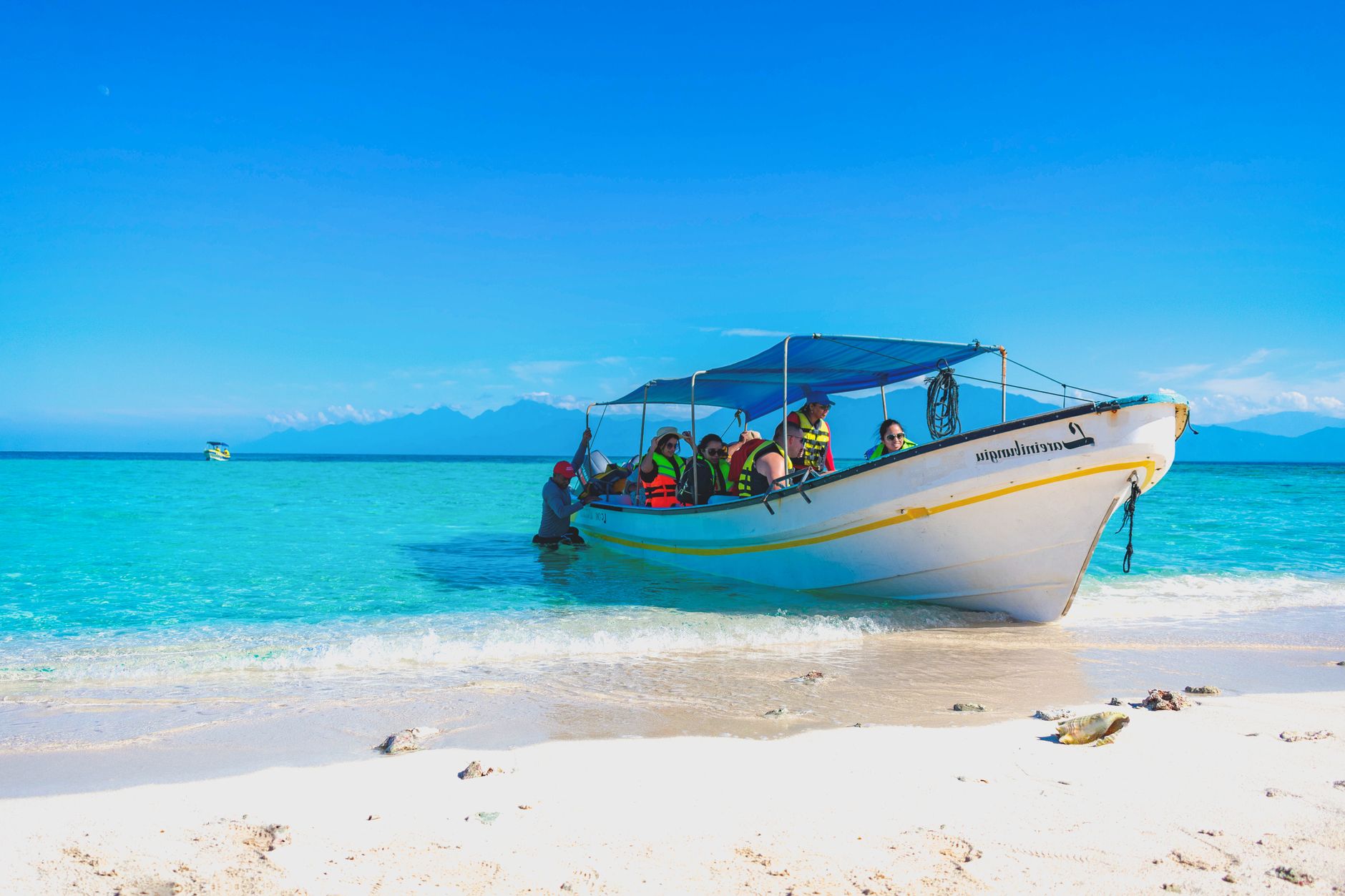
Coconut boat tours in Vietnam offer a unique exploration of the scenic waterways, lush landscapes, and vibrant cultures of the Mekong Delta. To fully enjoy this experience, it’s essential to dress appropriately for the conditions you’ll encounter. This guide will help you plan the perfect outfit for a coconut boat tour in Vietnam, covering everything from climate considerations to activity-specific attire.
Whether you’re gliding through tranquil canals or hopping on colorful coconut boats, the right clothing can make your adventure both enjoyable and comfortable. Read on to discover what to wear on a coconut boat tour in Vietnam, along with some practical tips for maximizing your experience.
What To Wear On A Coconut Boat Tour In Vietnam?
When preparing for a coconut boat tour in Vietnam, focus on lightweight, breathable clothing suitable for the tropical climate and potential splashes. Key items include light garments to keep you cool under the sun, protective accessories for sun exposure, and sturdy footwear that can handle wet conditions.
Understanding the Climate
The weather in Vietnam can vary significantly depending on the time of year and the specific region. The Mekong Delta typically experiences a tropical climate with high humidity, ensuring that you prepare for heat and occasional showers.
- Dry Season (November – April): Expect warm, dry weather with temperatures ranging from 25°C to 35°C (77°F to 95°F).
- Wet Season (May – October): This period can be hot and humid, with temperatures similar to the dry season. However, it’s more prone to sudden rain showers.
Be ready for both sunny skies and potential rain during your tour, making versatile attire essential.
Essential Clothing Items
1. Lightweight Tops
Opt for short-sleeve or sleeveless tops made from breathable materials like cotton or linen. These fabrics are excellent for airflow and drying quickly if they get wet.
- Consider moisture-wicking athletic tops for more active tours.
- Light-colored clothing is preferred to avoid absorbing too much heat.
2. Comfortable Bottoms
When choosing bottoms, prioritize comfort and mobility. Here are some options:
- Lightweight shorts: Choose shorts that allow for easy movement; avoid overly tight styles.
- Capris or lightweight pants: These can protect your legs from potential scrapes or insects while also offering sun protection.
- Waterproof or quick-dry pants: If you’re more active, these could be beneficial during a wet season.
3. Footwear
Select appropriate footwear that can withstand wet conditions. Consider these options:
- Sandals with straps: These are excellent for ventilation but ensure they are secure and can handle wet surfaces.
- Water shoes: Designed for aquatic environments, these offer better grip and protection.
- Lightweight sneakers: If you plan on walking off the boat, bring comfortable shoes that can dry quickly.
4. Sun Protection
Protecting yourself from the strong sun is vital when spending time on the water. Consider these items:
- Wide-brimmed hat: A good hat shields your face and neck from sunlight.
- Sunglasses: Look for a pair with UV protection.
- Lightweight scarf or shawl: You can use this to cover your shoulders and neck when exposed to the sun.
Additional Essentials for Your Tour
1. Swimwear
If you plan on taking a dip or experiencing water activities, bring your swimsuit along. Quick-dry swimwear can serve dual purposes as both swim attire and casual wear.
2. Rain Gear
During the wet season, it’s wise to prepare for sudden showers:
- Lightweight rain jacket: A waterproof shell can keep you dry without adding weight.
- Poncho: Consider a poncho, as these can be quickly worn on top of your clothing and don’t require a proper fit.
3. Waterproof Bag
To keep your belongings safe, bring a waterproof bag or dry sack. This will protect your electronics and valuables from water splashes.
4. Sunscreen and Insect Repellent
Always prioritize skin protection with a good sunblock and insect repellent:
- Sunscreen: Choose a broad-spectrum product with an SPF of at least 30.
- Insect repellent: Mosquitoes are common in tropical areas, so apply repellent to exposed areas.
5. Snacks and Water
While some tours might provide snacks and drinks, it’s often best to carry your own:
- Reusable water bottle: Stay hydrated while being environmentally friendly.
- Light snacks: Granola bars or trail mix can be great options.
Choosing the Right Accessories
1. Camera or Smartphone
Don’t forget to capture the beautiful scenery. Use a waterproof case for your phone or choose a compact camera suitable for wet environments.
2. Bandana or Buff
A bandana serves multiple purposes. Wear it as a headband, face covering, or even to wipe sweat from your brow.
3. Travel Insurance
While not an accessory, travel insurance can provide peace of mind. Make sure it covers water activities before you embark on your tour.
How to Pack for Your Tour
Efficient packing is essential for a smooth coconut boat tour experience. Here’s how to pack effectively:
- Choose a small pack: A daypack or similar-sized bag will suffice to hold all your essentials.
- Roll your clothes: Roll instead of folding to save space and reduce wrinkles.
- Use packing cubes: These can help organize your gear efficiently.
Final Tips for a Smooth Experience
To ensure you have the best experience possible:
- Arrive early: Allow time for boarding and settling in before the tour begins.
- Take breaks: Don’t hesitate to rest if you feel overheated; the tour’s pace is often flexible.
- Remain aware of your surroundings: Be cautious when handling items near water to avoid accidents.
By carefully choosing your clothing and accessories, you can fully enjoy your coconut boat tour in Vietnam. Dressing appropriately is not just about comfort; it’s about fully immersing yourself in the wonderful landscapes and cultures you will encounter along the way.
As you plan your trip, remember to consider the season and conditions to tailor your outfit to the environment. By following this guide, you’re setting yourself up for an unforgettable adventure surrounded by the beauty of the Vietnamese countryside.
For related insights, check out these other destination guides and travel-planning articles: what Guatemala is known for, how far Aruba is from Venezuela.