
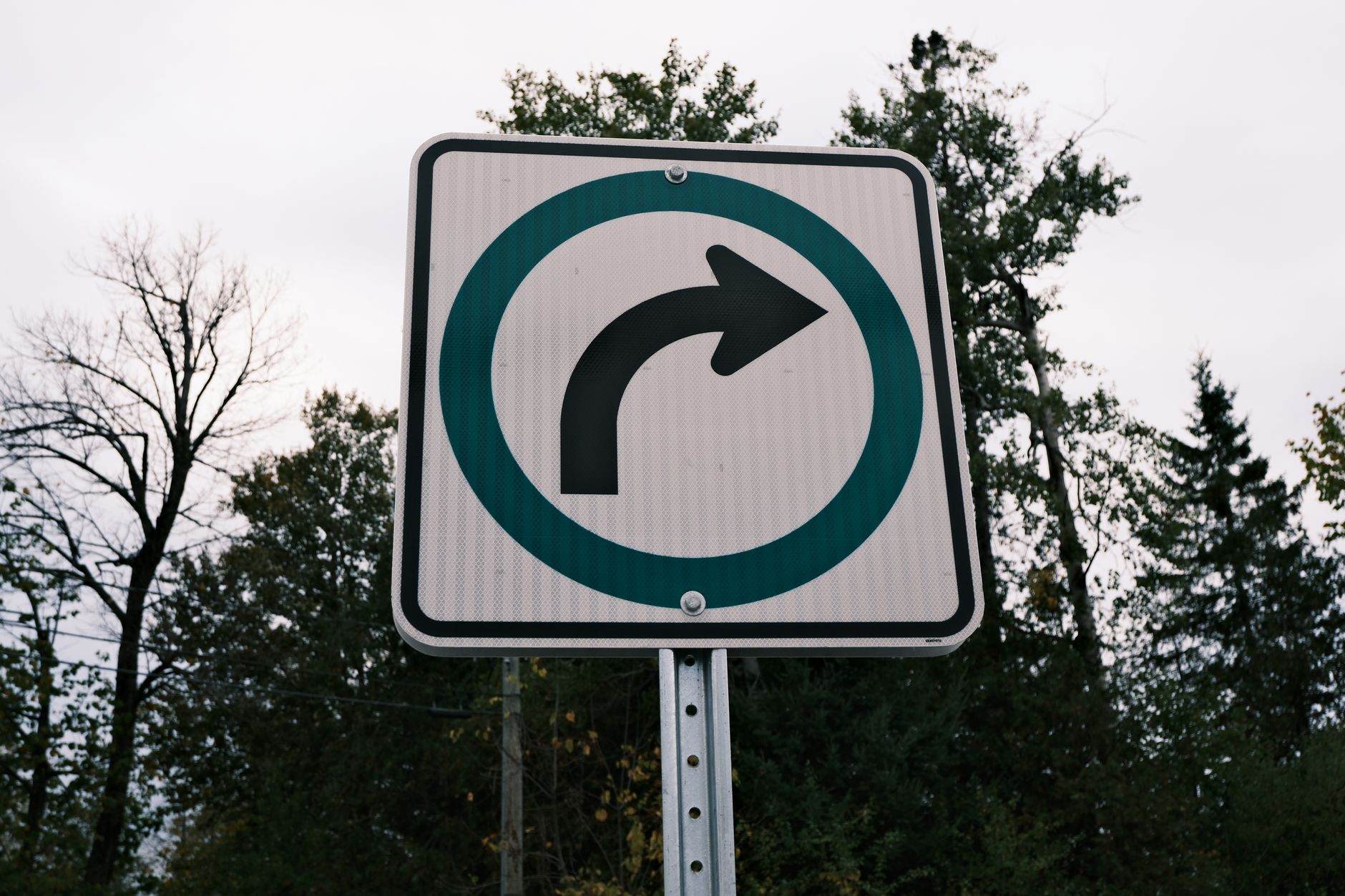
When driving, signaling is a critical communication tool that helps ensure safety on the road. However, many drivers may wonder how far before a turn they should signal. Understanding the nuances of signaling not only reinforces safe driving but also helps minimize confusion for other road users. This article explores the rules and best practices for signaling, particularly focusing on how far in advance drivers should indicate their intentions to make a turn.
The rules regarding signaling can vary by region and country, but general guidelines are widely applicable. This discussion will cover the significance of signaling in preventing accidents, examine various jurisdictions’ rules on timing for signaling, and provide practical tips on when and how you should signal before making a turn.
How Far Before a Turn Must You Signal?
Generally, the recommendation is to signal at least 100 feet (approximately 30 meters) before making a turn. This distance gives sufficient warning to other drivers and pedestrians about your intended action, improving overall road safety.
In urban areas, where traffic and other distractions are prevalent, you might want to signal even earlier. In suburban or rural areas with clearer sight lines, the 100 feet rule could suffice. Regardless, always be mindful of the specific traffic laws in your area, as they can vary significantly.
The Importance of Signaling
Signaling your intentions while driving helps maintain a smooth flow of traffic and enhances safety. Here are several key reasons why signaling is crucial:
- Prevents Accidents: By signaling, you alert other drivers of your intentions, reducing the likelihood of collisions caused by sudden lane changes or turns.
- Enhances Communication: Proper signaling fosters better communication among drivers, pedestrians, and cyclists, creating a more harmonious driving environment.
- Promotes Defensive Driving: When you signal, you take a proactive approach to driving, nurturing an awareness of your surroundings and other road users.
Understanding Local Laws on Signaling
The rules regarding how far before a turn to signal can differ based on local regulations. Here are some examples of how various jurisdictions handle driver signaling requirements:
United States
In most states, signaling at least 100 feet before a turn is standard practice. However, regulations can vary significantly between states, and some may even require drivers to signal further in advance, especially in cases of lane changes. It’s important to familiarize yourself with the specific signaling laws in your state to avoid confusion and citations.
Canada
Similar to the United States, Canadian provinces generally require drivers to signal at least 100 feet before turning. Some provinces and territories have additional rules regarding signaling in residential areas or during adverse weather conditions. Always check local laws to remain compliant.
United Kingdom
In the UK, drivers are advised to signal in good time when approaching a junction or roundabout. Although there is no exact distance defined, the expectation is to signal sufficiently ahead of your turn to inform other road users. This practice is part of the Highway Code, which governs driving rules in the country.
Australia
In Australia, drivers should signal for at least five seconds before making a turn, which works out to approximately 100 feet in most cases. Each state and territory has its own road laws, so it’s essential to familiarize yourself with these requirements based on where you’re driving.
Best Practices for Signaling
To enhance safety and comply with traffic laws while driving, follow these best practices for signaling:
- Always Signal: Make it a habit to signal whenever you plan to turn or change lanes, regardless of the perceived emptiness of the road.
- Signal Early: If unsure how far in advance to signal, opt for signaling earlier rather than later. This gives others ample time to react.
- Use Your Signals Consistently: Avoid unnecessary distractions by developing a routine for using your signals consistently throughout your often-driven routes.
- Use Clear Signals: Ensure your turn signals are functioning properly and communicate your intent clearly on the road.
How Signaling Affects Travel Time
Though it may appear that signaling adds time to your travel, the opposite is often true. Effective signaling can actually streamline traffic flow and minimize the chances of collisions, which could cause significant delays.
Minimizing Disruptions
When drivers utilize turn signals, they can reduce abrupt stops and starts on the road, facilitating a smoother overall drive. This is especially true in high-traffic areas, where miscommunications can lead to gridlock. By signaling, vehicles can effectively merge and navigate intersections with increased efficiency.
Time Savings in Traffic
By signaling effectively, you can help maintain a consistent speed rather than frequently braking or accelerating due to unexpected lane changes or turns. This principle reinforces the importance of signaling for overall travel time savings, contributing to a more pleasant driving experience.
Common Scenarios and Timing for Signaling
Different driving environments and situations require different signaling strategies. Below are common scenarios and tips for signaling effectively in each situation:
Making a Left Turn
- Signal left at least 100 feet before the turn.
- Check mirrors and blind spots for approaching vehicles or pedestrians.
- Yield to oncoming traffic unless you have a protected turn signal.
- Complete the turn safely while maintaining your signal until you have transitioned into the new lane.
Making a Right Turn
- Signal your intention to turn right at least 100 feet before the junction.
- Check the crosswalk for pedestrians and cyclists who may be crossing.
- Adjust your speed to ensure a smooth entry into the new lane.
Changing Lanes
- Signal your lane change at least 100 feet before you intend to make the move.
- Use your mirrors and check blind spots to ensure it’s safe to change lanes.
- Maintain your speed while changing lanes unless a significant safe gap requires adjustment.
Consequences of Failing to Signal
Neglecting to signal can have serious ramifications besides being merely non-compliant with traffic laws:
- Accidents: The primary risk of failing to signal is the potential for accidents. Other drivers may not anticipate your movements, leading to dangerous situations.
- Legal Consequences: Not signaling can lead to traffic citations, fines, and increase insurance rates, affecting your long-term driving record.
- Confusion Among Drivers: When drivers fail to signal, it creates uncertainty, leading to hesitancy and frustration among road users, which can exacerbate traffic conditions.
Assessing Your Driving Environment
Understanding your driving environment plays a crucial role in determining how and when to signal. Here are some aspects to consider:
Urban vs. Rural Areas
Urban settings, characterized by heavy traffic, require proactive signaling due to the frequent stops and turning opportunities. In contrast, rural roads generally allow for wider distances between turns, requiring less frequent signaling but still necessitating a conservative approach.
Weather Conditions
Adverse weather influences visibility and the handling of your vehicle. In poor weather, consider signaling earlier to allow for reduced reaction times from other drivers or pedestrians.
Advice for New Drivers
New drivers may find themselves overwhelmed with the various driving rules, including signaling. Here are practical tips tailored to these drivers:
- Practice Regularly: Gain confidence in your signaling through consistent practice during various driving scenarios.
- Use Visual Reminders: Consider placing a note in your vehicle reminding you of the importance of signaling.
- Seek Feedback: If you have a licensed driver accompanying you, seek advice on your signaling habits as you learn the ropes.
Resources for Further Learning
To reinforce safe driving practices, various resources are available. Here are some recommendations:
- USA.gov Driving Resources: Comprehensive information on driving laws and safety tips in the United States.
- Ontario Driver Handbook: Detailed insights on road signs, signals, and safe driving practices specifically for Ontario, Canada.
- AA Driving Tips: Offers tips and tricks for safe driving, focusing on signals and communication.
Understanding how far before a turn you must signal is essential for safe driving. Follow the guidelines mentioned, familiarize yourself with local laws, and incorporate these practices into your routine to enhance safety for yourself and others on the road. Remember, signaling is not just a rule; it is an integral part of being a responsible driver.
For more travel tips and insights, explore related resources such as how frequently you should take breaks when driving long distances or understanding what a flashing red light means. These helpful guides can further enhance your driving skills and overall travel experience.