
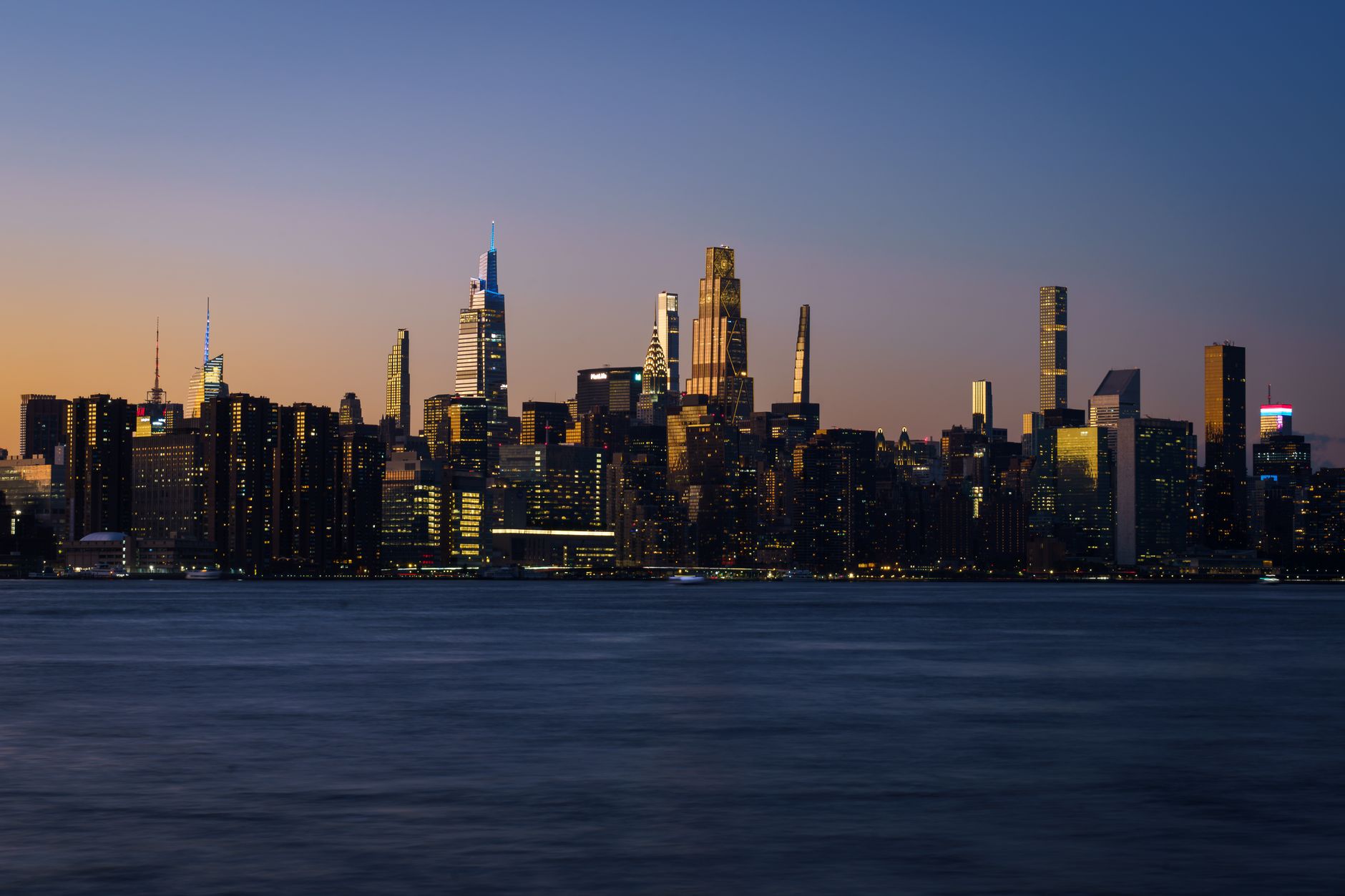
New York City, known as the Big Apple, is a vibrant place brimming with diverse cultures, iconic landmarks, and endless attractions. As a popular travel destination, many potential visitors often ask, “Is New York safe?” Understanding the safety landscape can greatly enhance your experience, allowing you to roam the streets with confidence and peace of mind.
This article serves as a comprehensive guide covering safety tips, potential risks, and practical travel advice to ensure that your visit to New York is both enjoyable and secure.
Is New York Safe?
In general, New York City is considered safe for tourists, especially in well-frequented areas. Crime rates have significantly decreased over the years, and law enforcement is visible throughout the city. However, like any major city, it’s essential to be aware of your surroundings and take certain precautions to ensure your safety.
Understanding New York’s Crime Landscape
When assessing safety in New York, it’s important to look at crime trends over the years. Crime rates have fallen dramatically since the 1990s, making the city one of the safest large cities in the United States. However, crime does still occur, and tourists should remain vigilant.
- Types of Crimes: Most crimes reported in New York are non-violent but can include petty theft, pickpocketing, and scams targeting tourists.
- Hotspots: Certain neighborhoods are known for higher crime rates, often outside of the tourist path. Areas like Brownsville and parts of the South Bronx may require extra caution.
- Nighttime Safety: While many areas remain safe, it’s advisable to exercise caution at night and stick to well-lit, populated streets.
Safety Tips for Tourists
Here are some practical tips to help you navigate the city safely:
- Be Aware of Your Surroundings: Stay alert and aware of the people and activities around you. Avoid distractions like your phone when walking through crowded areas.
- Keep Valuables Secure: Use a crossbody bag and keep it close to your body. Avoid displaying large amounts of cash or expensive items.
- Stay in Well-Lit Areas: When exploring the city at night, stick to busy, well-lit areas and avoid shortcuts through alleys or deserted streets.
- Use Reputable Transportation: Opt for licensed taxis or rideshare services like Uber or Lyft. If using public transportation, stay vigilant, especially during late hours.
- Trust Your Instincts: If a situation doesn’t feel right, trust your instincts and remove yourself from it.
Identifying High-Risk Areas
While much of New York is safe, some neighborhoods may pose more risks, especially for tourists unfamiliar with the area. Before venturing out, be informed about these areas:
- East New York: Known for higher crime rates, particularly in certain parts. It’s best to avoid this area if you are unfamiliar.
- Brownsville: Historically one of the rougher neighborhoods, Brownsville requires caution and is best avoided unless you have a specific reason to visit.
- South Bronx: Some areas may be less safe after dark. If you need to travel here, plan your trip carefully.
Safe Neighborhoods for Tourists
On the flip side, many neighborhoods in New York are considered very safe and are packed with tourist-friendly activities. Some of the safest areas to explore include:
- Manhattan: Popular tourist spots like Times Square, Central Park, and the Financial District are generally safe, especially with constant foot traffic.
- The Upper West Side: This neighborhood is known for its family-friendly atmosphere and low crime rates, making it great for tourists.
- Brooklyn Heights: With stunning views of the Manhattan skyline, this quaint neighborhood offers a calm environment and is safe for walking.
- Greenwich Village: Known for its vibrant nightlife, cultural spots, and a sense of community, the Village is generally safe, especially in popular areas.
Traveling During Late Hours
If you plan to explore the nightlife or catch a late show, it’s essential to be mindful of safety:
- Stick to Public Transport: The subway operates late, but be aware of your surroundings. Utilize the subway map and be prepared for potential delays.
- Consider Rideshares: For added safety, consider using a rideshare service if you’re out late. They’re generally safer than walking or waiting for public transport.
- Traveling in Groups: Whenever possible, travel with a friend or a group to minimize risks during late hours.
Health and Safety Considerations
Health is another component of safety to consider during your stay in New York. Here are a few tips related to health and wellness:
- Stay Hydrated: Walking around a city can be exhausting. Ensure you drink plenty of water to keep hydrated, especially during summer months.
- Follow Local Health Guidelines: Pay attention to any health advisories or regulations that may be in place, particularly regarding sickness or health outbreaks.
- Emergency Services: If you ever find yourself in distress, know that calling 911 will connect you with local emergency services quickly.
Common Tourist Scams
Unfortunately, tourists can sometimes be targets for scams. Be vigilant and aware of common tactics:
- Street Performers: While many are legitimate, some may become aggressive if you don’t give them money after watching their act.
- Fake Charity Collectors: Be wary of individuals soliciting donations for charities. Always check for credentials or opt to donate only to recognized organizations.
- Overpriced Merchandise: Tourist traps selling souvenirs at inflated prices can often be found near major attractions. Research ahead for better prices elsewhere.
General Travel Advice
In addition to safety tips, here are some other important travel considerations for New York:
Best Times to Visit
The optimal time to experience New York is during the spring (April to June) and fall (September to November) when the weather is pleasant and crowds are manageable. Winter holidays offer a unique charm but expect larger crowds.
Budgeting for Your Trip
New York can be expensive, but there are ways to budget wisely:
- Accommodation: Hostels and budget hotels offer affordable options, especially in outer boroughs like Brooklyn and Queens.
- Dining: Explore food trucks or local delis for budget-friendly meals. Many restaurants offer lunch specials that are worth checking out.
- Activities: Look for free or low-cost attractions like Central Park, the Staten Island Ferry, or museums that offer pay-what-you-wish days.
Transportation in New York
Getting around New York can be efficient and affordable:
- Subway System: The subway is the lifeblood of the city’s transport system. Purchase a MetroCard for both subway and bus services.
- Walking: New York is a walkable city. Don’t hesitate to explore neighborhoods on foot to soak in the culture.
- Taxis and Rideshares: If public transport isn’t for you, taxis and rideshares offer convenient alternatives. Use ridesharing apps to avoid potential taxi scams.
Accommodation Options
Where you stay can also influence your safety experience. Here are some recommended accommodation types:
- Hotels: Major chains in Midtown Manhattan provide good security and convenient access to attractions.
- Hostels: Budget-friendly options in neighborhoods like Harlem or Brooklyn also offer a chance to meet other travelers.
- Short-term Rentals: Consider booking through sites like Airbnb, but make sure to research the area you’re staying in before confirming a booking.
Final Words on Safety in New York
While New York City is typically safe for tourists, personal security hinges on awareness and preparedness. Equip yourself with the knowledge of local areas, staying alert, and understanding potential risks for a memorable experience.
In summary, enjoy the vibrant culture, fine dining, and iconic attractions while taking the necessary precautions to enhance your safety. Familiarize yourself with crowd dynamics, follow safety tips, and be proactive in planning your trip.
With the right information and skills, your visit to New York can be as memorable as the City itself. To explore further about safety in other major cities, check out our guides on Washington, DC and Philadelphia. Safe travels!