
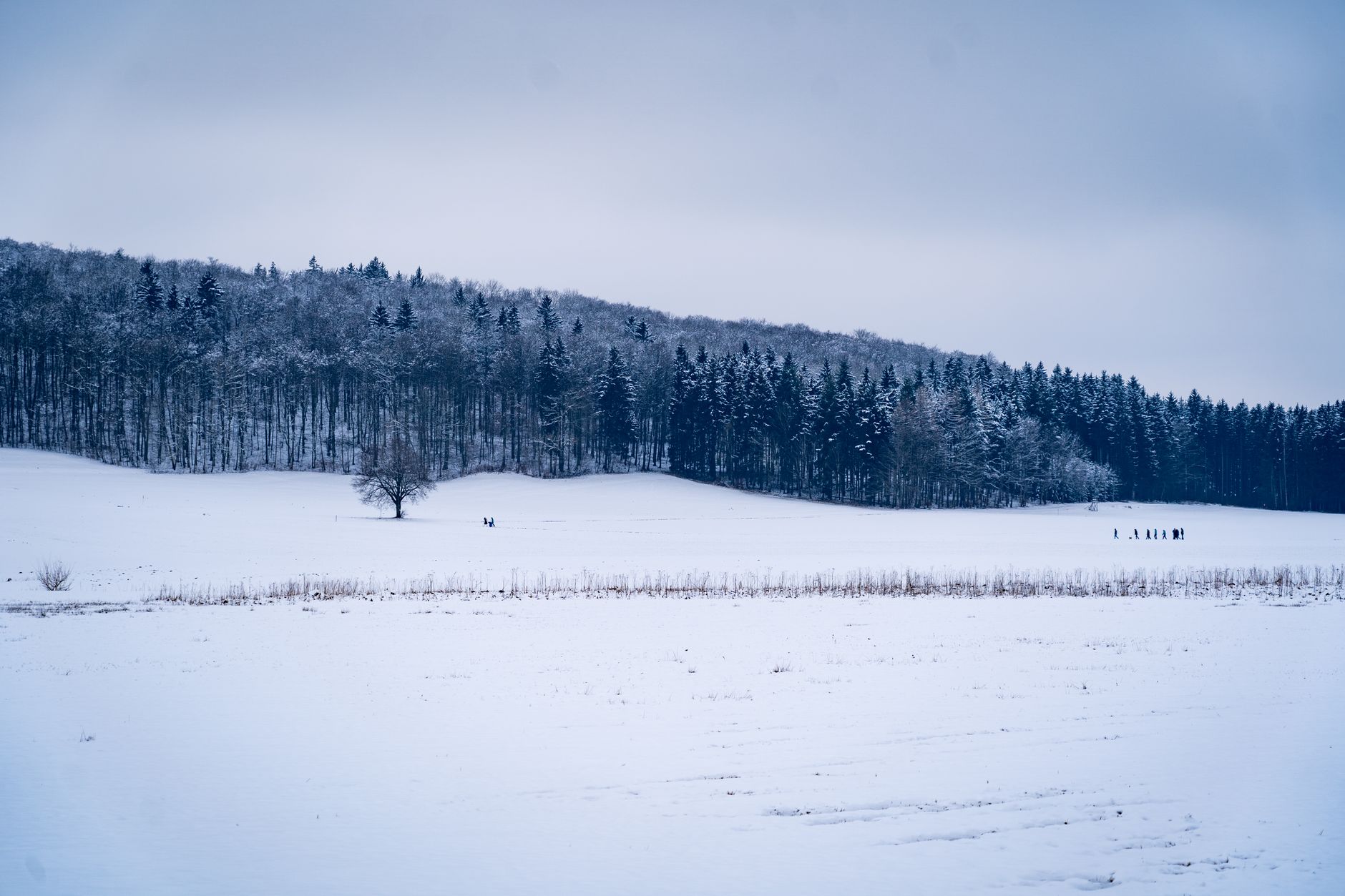
The question “Does it snow in Germany?” piques the interest of many travelers, especially those looking to experience the country’s winter charm. The answer is yes, it certainly does snow in Germany, but the intensity and duration of snowfall varies widely depending on the region and time of year. Let’s explore this frigid topic in detail, including seasonal weather patterns, optimal travel tips, and how to enjoy the best of Germany during the snowy months.
Germany boasts a diverse climate influenced by several geographic factors. From the snowy peaks of the Bavarian Alps to the colder climates of northern regions, visitors can find enchanting winter scenery throughout the country. This guide will delve into the specifics of winter weather in Germany, ideal locations for snowy adventures, and practical tips to make the most out of your winter travels.
Does It Snow in Germany?
Yes, it snows in Germany, predominantly between December and February, with variations depending on the region. Southern Germany, especially the Bavarian Alps, experiences more snowfall than northern areas. Travelers can expect picturesque snow-covered landscapes that offer many winter activities.
When Does It Snow in Germany?
Most snowfall occurs in the winter months of December, January, and February. While higher elevations see snow starting as early as November and lasting until March, lower areas can have sporadic snowfall. Understanding the seasonal climate can help you plan your visit accordingly.
Winter Weather Overview by Month
| Month | Average Snowfall (cm) | Average Temperature (°C) |
|---|---|---|
| December | 5-15 | -2 to 4 |
| January | 10-25 | -3 to 2 |
| February | 5-20 | -3 to 3 |
Regions Where It Snows the Most
Snowfall can be more frequent and heavier in certain parts of Germany. Here are some key regions known for their winter wonderland experiences:
Bavarian Alps
The Bavarian Alps, particularly areas like Garmisch-Partenkirchen and Berchtesgaden, are known for their stunning snowy landscapes. This region hosts several ski resorts and offers iconic views, making it a popular destination for winter sports.
Saxon Switzerland
Famous for its unique rock formations and landscapes, the Saxon Switzerland region provides excellent opportunities for winter hiking and photography. The area typically sees snowfall from December through February, which adds to its breathtaking scenery.
Black Forest
The Black Forest area is famous for its thick woodlands and traditional chalets, transforming into a snowy escape during winter. This region is perfect for sledding, skiing, and quaint holiday markets.
Harz Mountains
The Harz Mountains are a lesser-known gem for snow enthusiasts. With charming villages and beautiful trails, this area offers skiing and winter hiking, as well as one of the largest ski resorts in northern Germany.
What to Do in Germany When It Snows
Germany offers a wide range of activities and experiences during the snowy season, appealing to both tourists and locals alike.
Winter Sports
If you enjoy winter sports, Germany has plenty to offer:
- Skiing and Snowboarding: Resorts in the Bavarian Alps and the Black Forest cater to both beginners and advanced skiers.
- Sledding: Sledding is a fun activity for families and can be enjoyed in many parks and hills throughout the country.
- Ice Skating: Numerous outdoor ice rinks pop up during winter, providing a magical atmosphere in city squares and towns.
Visit Christmas Markets
Christmas markets are a cherished tradition in Germany. These festive markets typically open in late November and continue until Christmas. Enjoy local crafts, mulled wine, and seasonal treats, all set against a backdrop of twinkling lights and festive decorations.
Explore Winter Hiking Trails
Winter hiking in Germany allows you to enjoy the serene beauty of snow-covered landscapes. Regions like Saxon Switzerland and the Harz Mountains boast well-marked trails, suitable for various skill levels.
Snowshoeing and Cross-Country Skiing
For a different perspective of winter landscapes, consider snowshoeing or cross-country skiing. Many regions, including Garmisch-Partenkirchen and the Bavarian Forest, offer guided tours and rentals for all skill levels.
Travel Tips for Visiting Germany in Winter
To ensure a seamless and enjoyable visit during the snow season, here are some practical travel tips:
Dress Appropriately
Wear layered clothing to manage the varying temperatures. Important items to pack include:
- Thermal base layers
- Insulated jackets
- Warm hats, gloves, and scarves
- Water-resistant footwear
Plan for Shorter Days
Daylight hours are shorter in winter, so plan activities with this in mind. Aim to start your day early to make the most of available daylight.
Check Local Weather Updates
Weather can change unexpectedly, especially in mountainous regions. Regularly check forecasts to stay informed about snowfall and road conditions.
Consider Transportation Options
Germany has efficient public transportation, but weather conditions can impact schedules. Always check the times and update yourself on any delays, especially when travelling to ski resorts.
Local Customs and Etiquette
Understanding the local customs can enhance your travel experience. Germans often take winter sports seriously, and learning a few phrases in German can help. Politeness and greetings are important, especially when interacting with locals in ski resorts and markets.
Accommodation in Germany During Winter
Finding the right accommodation is key to enhancing your winter vacation experience. Here are some options to consider:
Chalets and Cabins in the Alps
Staying in a cozy chalet or cabin in the Bavarian Alps allows easy access to skiing and snowy activities while providing a warm retreat at the end of the day.
Hotels with Wellness Facilities
Many hotels in Bavaria and the Black Forest feature spa services, which can be a great way to relax after a day of winter activities.
City-centre Hotels
If you prefer cultural sightseeing alongside winter fun, city-center hotels in cities like Munich and Nuremberg can provide convenient access to holiday markets and winter festivities.
Airbnb and Vacation Rentals
Consider renting an apartment or home through platforms like Airbnb for a more local experience, especially in quieter towns with beautiful winter scenery.
Conclusion
Does it snow in Germany? Absolutely! The country transforms during the winter months, offering an array of activities, stunning landscapes, and memorable experiences. Whether you’re hitting the slopes in the Alps, enjoying the festive atmosphere at a Christmas market, or adventuring on a winter hike, winter in Germany has something to offer everyone. Plan your trip, bundle up, and prepare for an unforgettable snowy experience.
To explore more about the snowy destinations and travel planning options, be sure to check out other guides and tips that can help enhance your travel experience.