
Marie Antoinette, the last Queen of France, is an iconic historical figure whose life and fate still evoke fascination today. Her story takes a dramatic turn with her execution in 1793, after which her head became a subject of intrigue and speculation. The question “Where is Marie Antoinette’s head now?” invites not only a historical exploration but also travel enthusiasts to trace her legacy through various sites in France.
This guide will explore the whereabouts and significance of Marie Antoinette’s remains, discuss related historical sites in France, and suggest practical travel advice for visitors interested in this compelling chapter of history.
Where Is Marie Antoinette’s Head Now?
Marie Antoinette’s head was said to be buried in an unmarked grave at the Madeline Cemetery in Paris. This burial site is significant for those wishing to pay their respects and learn more about the history surrounding her execution. Visitors can discover the tumultuous era in which the Queen lived and examine how the revolution changed the narrative of monarchy in France.
A Brief History of Marie Antoinette
Born in 1755 in Vienna, Marie Antoinette was the daughter of Empress Maria Theresa and her husband, Holy Roman Emperor Francis I. At the age of 14, she married the future King Louis XVI of France, which was meant to solidify the alliance between Austria and France. Despite her royal status, her life in France was fraught with challenges.
As the French Revolution unfolded in the late 18th century, she became a target of public disdain. Accused of extravagance and indifference to the suffering of the French people, she was arrested, put on trial, and executed by guillotine on October 16, 1793. This shocking event marked the end of her reign and shifted the landscape of French royalty.
Key Locations to Visit Related to Marie Antoinette
Travelers interested in exploring the life and legacy of Marie Antoinette can visit several key locations in France. Here’s a list of significant sites associated with her story:
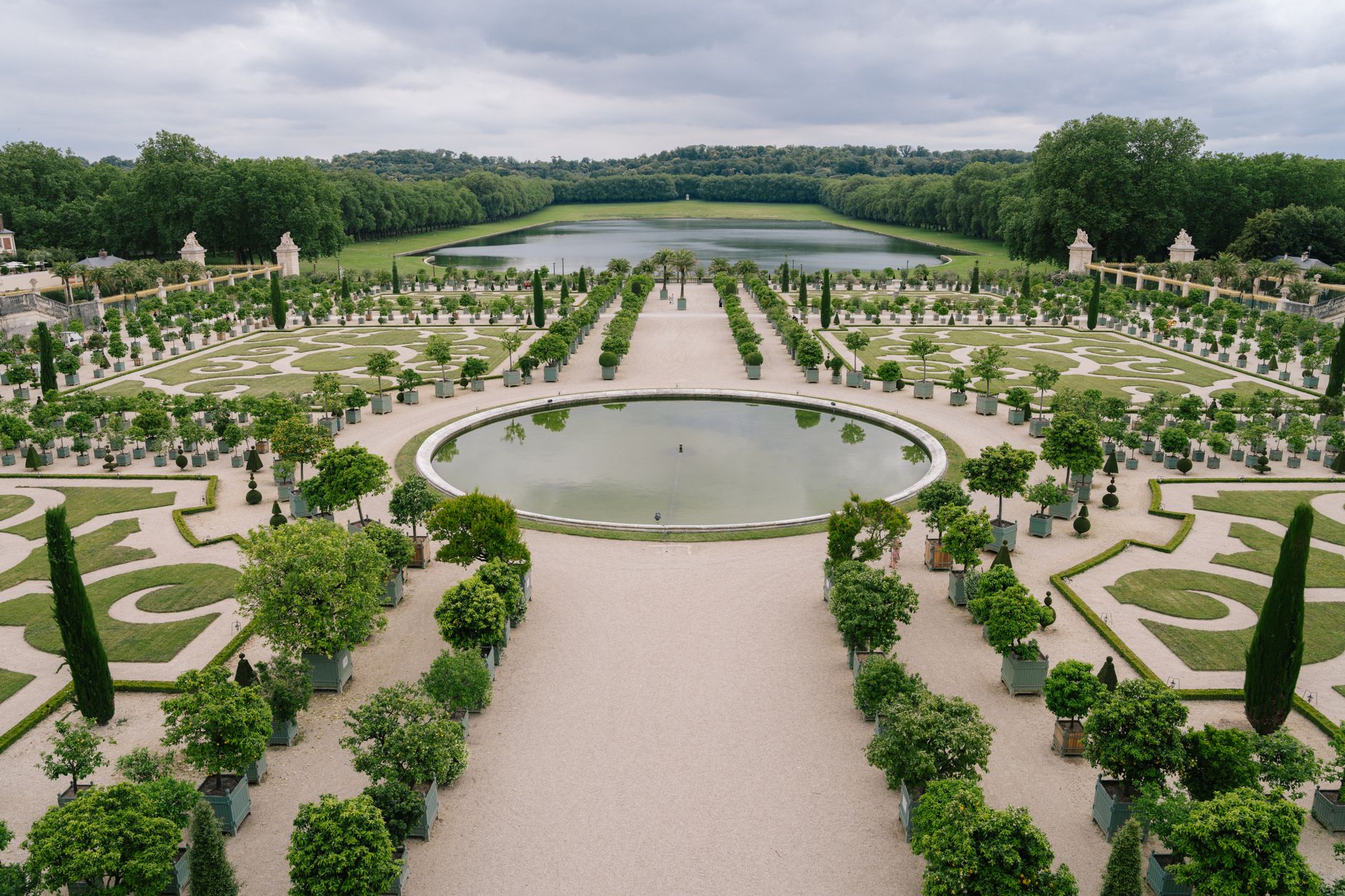
- Palace of Versailles: The opulent residence where Marie Antoinette spent much of her life, offering stunning gardens and architecture.
- Conciergerie: A former prison where Marie Antoinette was detained before her execution, located in the heart of Paris.
- Place de la Révolution: Formerly known as Place de la Révolution, this was the site of her execution.
- La Madeleine Cemetery: The rumored burial site of Marie Antoinette’s remains, where visitors can pay their respects.
Palace of Versailles
The Palace of Versailles is perhaps the most iconic site associated with Marie Antoinette. This grand estate served as the royal residence and is filled with opulence and history. The palace includes a fascinating museum dedicated to the French Revolution, allowing visitors to understand more about the queen’s life and the sociopolitical context of her time.
To fully appreciate Versailles, on a recommended visit, allocate at least a full day. The estate comprises stunning gardens, assorted fountains, and the Grand Trianon, where Marie Antoinette would escape the formalities of royal life. A guided tour is beneficial as it provides insights into the history of the estate and its former residents.
Conciergerie
Next, head to the Conciergerie, a historical building that served as a prison during the French Revolution. Here, Marie Antoinette spent her last days before her execution. This site gives visitors a glimpse into her final moments and the stark reality of prison life during tumultuous times.
The Conciergerie’s intriguing architecture and detailed exhibitions about its role during the Revolution make it a must-visit. Anticipate spending roughly one hour exploring the site.
Place de la Révolution
Now known as Place de la Concorde, this location was once the site of public executions during the Revolution. Here, Marie Antoinette and many others lost their lives to the guillotine. Although the area no longer serves as an execution ground, its historical significance remains relevant for those wishing to reflect on the events that unfolded there.
Travelers may take a moment at the central obelisk, which stands as a reminder of the turbulent history of this place. A short visit of 30 minutes is typically sufficient to grasp its importance.
La Madeleine Cemetery
While Marie Antoinette was initially buried in an unmarked grave, later excavations revealed her remains, which were thoughtfully moved to La Madeleine Cemetery. Although the exact location of her head remains a mystery, this site holds great symbolic significance for admirers of her story. Visitors will find a tranquil atmosphere conducive to reflection on her complicated legacy.
When visiting, expect to spend about an hour. Since this cemetery is tranquil and less visited, it’s an excellent place for introspective thought.
Planning Your Trip to Explore Marie Antoinette’s Legacy
When planning a trip to trace Marie Antoinette’s history, consider the following logistical details to enhance your experience:
Suggested Trip Length
A trip dedicated to exploring Marie Antoinette’s legacy can be accomplished in a weekend, ideally around three days. This allows ample time to delve into the historical significance of each site while also enjoying the beauty of France.
Best Time to Visit
The best time to visit these sites is during the spring (April to June) or fall (September to November) when the weather is mild, and the crowds are thinner. Summers can be quite crowded, especially at popular tourist attractions like the Palace of Versailles.
How to Get There and Getting Around
Paris serves as the primary hub for exploring Marie Antoinette’s history. The city is accessible via various international airports, including Charles de Gaulle Airport. Once in Paris, local transport options include:
- Metro: Paris’ extensive metro system provides efficient access to various sites, including the Conciergerie and La Madeleine Cemetery.
- Buses: Public buses can also take visitors to many attractions.
- Walking: Many locations are close together, and walking provides a rich experience of the city’s atmosphere.
Accommodation Options
While visiting, consider staying in areas such as Le Marais, which boasts charming streets and easy access to major attractions. The Latin Quarter is also a vibrant area with a student vibe, filled with cafés and bookstores, ideal for immersing yourself in the culture of Paris.
- Budget-Friendly: Several hostels and budget hotels offer affordable stays, especially in the Latin Quarter.
- Mid-Range: Boutique hotels in Le Marais provide comfortable accommodations with character.
- Luxury: For a lavish stay, consider hotels near the Champs-Élysées for a taste of elegance.
Budget Considerations
Budgeting for a trip to explore Marie Antoinette’s legacy will depend on various factors, including accommodation, dining, and entry fees to attractions. Here’s a rough breakdown:
- Accommodation: Costs can vary widely, expect to spend between €50 to €300 per night based on choice and location.
- Dining: Eating out can range from casual bakery meals costing €5 to fine dining experiences starting at €50 per person.
- Attraction Entry Fees: Admission to major sites such as Versailles may cost around €20 per adult.
Local Customs and Visitor Etiquette
When visiting France, it’s essential to respect local customs. French people appreciate polite greetings, so make a point of saying “Bonjour” when entering shops or cafés. Additionally, when dining, it’s customary to order in French whenever possible or to ask for the menu in French.
Another thing to remember is that, in museums and historical sites, photography may be prohibited; always look for signs and respect guidelines to ensure a pleasant experience for everyone.
Conclusion
Exploring the legacy of Marie Antoinette offers a unique opportunity for travelers to engage with a pivotal moment in history. From the majestic Palace of Versailles to the solemnity of La Madeleine Cemetery, each site allows for reflection on her complex life and times. An informative and engaging trip awaits those who seek to understand the depth of her story.
For additional travel planning, consider exploring other historical destinations in France, including World War sites and the beauty of the Loire Valley castles. Discover more about designing the perfect itinerary, nearby attractions, and travel tips that enhance your adventures.