
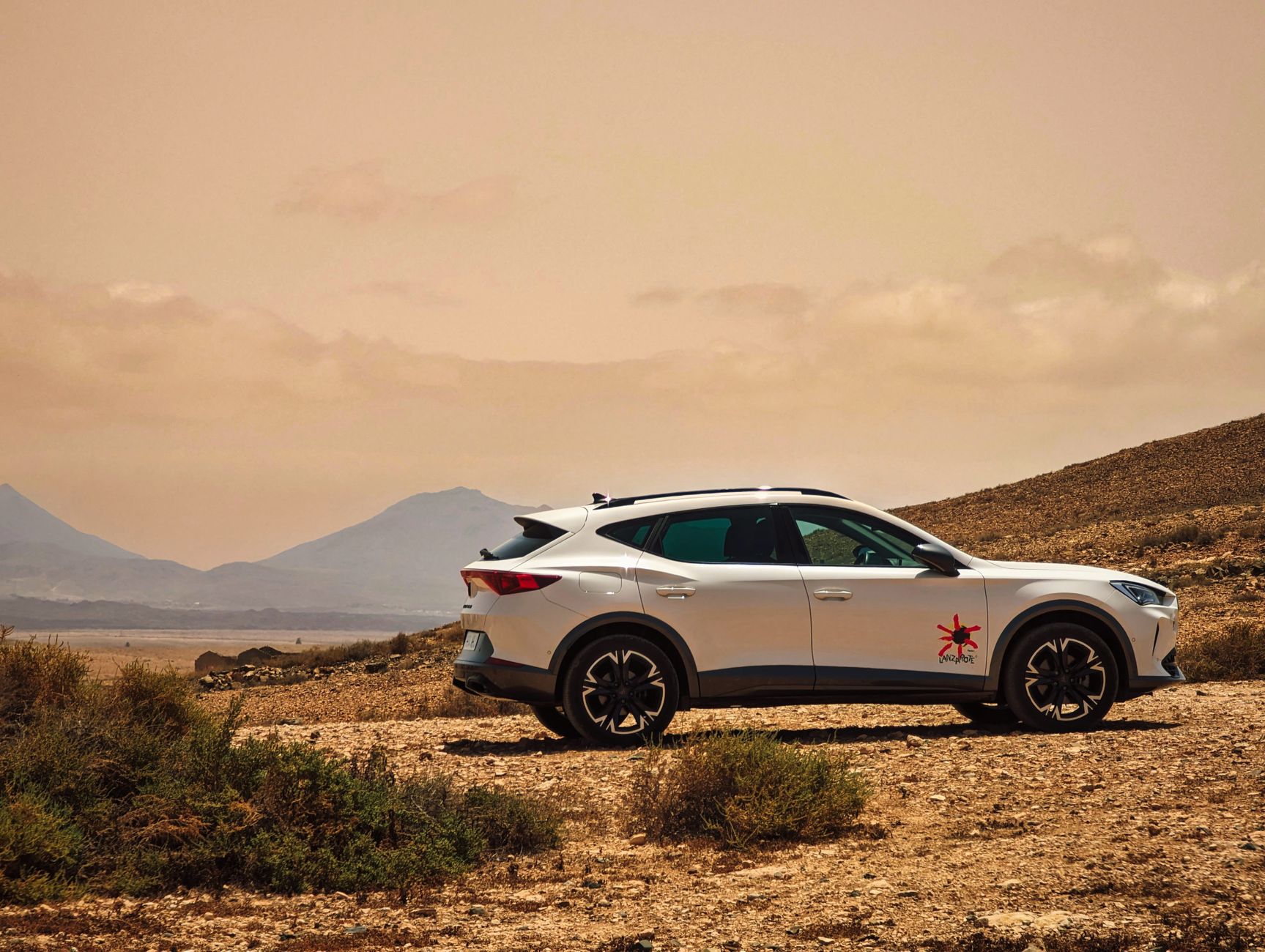
Understanding what constitutes a high profile vehicle is essential for travelers who often embark on road trips, especially in areas prone to adverse weather conditions or mountainous terrains. This travel guide will explore the characteristics of high profile vehicles, their implications for travel, and practical advice for navigating the roads with them.
Whether you’re considering renting one for your next adventure, or simply want to know more about them due to safety concerns, this article addresses everything you need to know about high profile vehicles.
What Is a High Profile Vehicle?
A high profile vehicle is generally defined as any vehicle with a greater height relative to its width and length, such as SUVs, vans, and buses. These vehicles are characterized by their elevated center of gravity, which can affect stability and handling, particularly in adverse weather conditions or during sharp turns.
High profile vehicles may also include large delivery trucks and vehicles designed for commercial use. Travelers often find that understanding these vehicles can enhance their safety while on the road, particularly in unfamiliar or challenging environments.
Why High Profile Vehicles Matter for Travelers
For many travelers, choosing the right vehicle plays a crucial role in the overall travel experience. High profile vehicles have distinct advantages and disadvantages that should be considered.
Advantages of High Profile Vehicles
- Increased Visibility: The elevated height provides a better vantage point of the road, which can improve driving safety.
- Ample Space: These vehicles often offer more interior space, making them suitable for families or groups with luggage.
- Off-Road Capabilities: Many SUVs and trucks are designed for off-road travel, allowing access to remote destinations.
- Greater Towing Capacity: High profile vehicles often have higher towing capacities, beneficial for travelers with trailers.
Disadvantages of High Profile Vehicles
- Reduced Stability: The higher center of gravity can lead to a higher risk of rollover in sharp turns or during extreme weather conditions.
- Poor Fuel Efficiency: Generally, larger vehicles consume more fuel, which can impact the total travel budget.
- Parking Difficulties: Finding parking can be more challenging in urban areas where space is limited.
Types of High Profile Vehicles
When considering a high profile vehicle, it’s essential to understand the different types available and how they can fit your travel needs. Below are common types of high profile vehicles:
1. SUVs (Sports Utility Vehicles)
SUVs are one of the most popular types of high profile vehicles for travelers, as they offer a combination of passenger space and cargo capacity. They can be particularly advantageous for family road trips, providing comfort and flexibility in various terrains.
2. Minivans
Minivans are another family-friendly option with ample seating and storage. While they may not be as rugged as SUVs, they excel in comfort for long drives and family outings.
3. Pickup Trucks
Pickup trucks are ideal for travelers who may need to transport equipment or gear. Their utility and towing capabilities make them a popular choice for adventure-seekers.
4. Buses and Vans
For larger groups or organizations, buses and passenger vans provide an effective way to travel together. They can accommodate many passengers and are often used for tours and group trips.
Planning Your Trip with a High Profile Vehicle
Once you’ve identified a high profile vehicle fitting your travel plans, it’s essential to consider several factors that will contribute to a successful road trip.
1. Route Planning
When traveling with a high profile vehicle, it’s important to plan your route wisely. Here are some tips for choosing the best path:
- Avoid narrow roads and low bridges that may not accommodate larger vehicles.
- Research weather conditions beforehand, as high profile vehicles are more susceptible to strong winds.
- Use navigation apps that allow you to filter for larger vehicle routes.
2. Travel Duration
Consider the duration of your trip and plan your breaks. Longer trips may require slower driving speeds to maintain better control. Plan rest stops every couple of hours to avoid fatigue, which is crucial for maintaining safety.
3. Packing Essentials
Packing efficiently is vital when traveling with high profile vehicles. Here is a list of essential items to consider:
- Emergency Kit: Include first-aid supplies, water, flashlight, and basic tools.
- Maps: Always have physical maps as a backup for GPS navigation.
- Snacks and Water: Keep snacks and plenty of water within easy reach.
- Comfort Items: Bring travel pillows and blankets for increased comfort during long drives.
Safety Considerations for High Profile Vehicles
Safety is paramount when navigating a high profile vehicle. Here are some fundamental safety tips to keep in mind:
1. Adjust to Driving Conditions
High profile vehicles can behave differently under various weather conditions. Here are adjustments to consider:
- Slow down during heavy rain or snow, as these conditions can increase the risk of hydroplaning.
- Be cautious of windy conditions, particularly on bridges or open highways where crosswinds are prevalent.
2. Check Vehicle Maintenance
Regular maintenance checks are vital for ensuring vehicle safety. Ensure the following are in good working condition:
- Tires: Check tire pressure and tread before starting your journey.
- Brakes: Ensure your braking system is functioning properly.
- Lights: Check all lights are operational, including headlights, brake lights, and turn signals.
Common Destinations for High Profile Vehicle Travel
Certain destinations are particularly suited for high profile vehicles, especially those that feature scenic views or rugged terrains. Here are some recommended areas:
1. National Parks
Many national parks have diverse landscapes and offer an excellent opportunity to explore via a high profile vehicle. Parks like Yellowstone or the Grand Canyon provide access to various hiking trails and scenic viewpoints.
2. Coastal Routes
Driving along coastal routes, such as California’s Pacific Coast Highway, is a fantastic experience. The elevated position offers stunning ocean views that make the journey enjoyable.
3. Mountain Regions
Regions like the Rockies or the Smoky Mountains are ideal for high profile vehicles. Make sure to check local conditions and road regulations, as some areas have specific requirements for larger vehicles.
Budgeting for Your High Profile Vehicle Trip
Traveling with a high profile vehicle often comes with varying costs. Here’s how to budget effectively:
1. Rental Costs
If you’re renting a high profile vehicle, make sure to compare prices across different rental companies. The cost will often depend on the type of vehicle, the rental duration, and insurance options.
2. Fuel Expenses
High profile vehicles typically consume more gas than standard cars. Calculate estimated fuel costs based on the average miles per gallon for the vehicle type. Planning refueling stops along your route can also be beneficial.
3. Accommodation Costs
If traveling long distances, budget for accommodation. Many families opt for hotels that provide parking for larger vehicles, while some may choose RV parks or camping sites.
Final Tips for Traveling with a High Profile Vehicle
As you prepare for your road trip in a high profile vehicle, keep these final tips in mind:
- Always follow local traffic laws, especially regarding vehicle height restrictions.
- Keep your speed manageable and practice safe driving techniques.
- Be mindful of turning radius and swing when navigating tight spots.
Traveling with a high profile vehicle can enhance your travel experience when done correctly. By understanding their unique characteristics and planning accordingly, you’ll be well-equipped for your upcoming adventures.
To take your travel planning a step further, explore more destination guides, itineraries, or travel-planning tips relevant to your interests, ensuring your journey is as smooth as the roads you travel.