
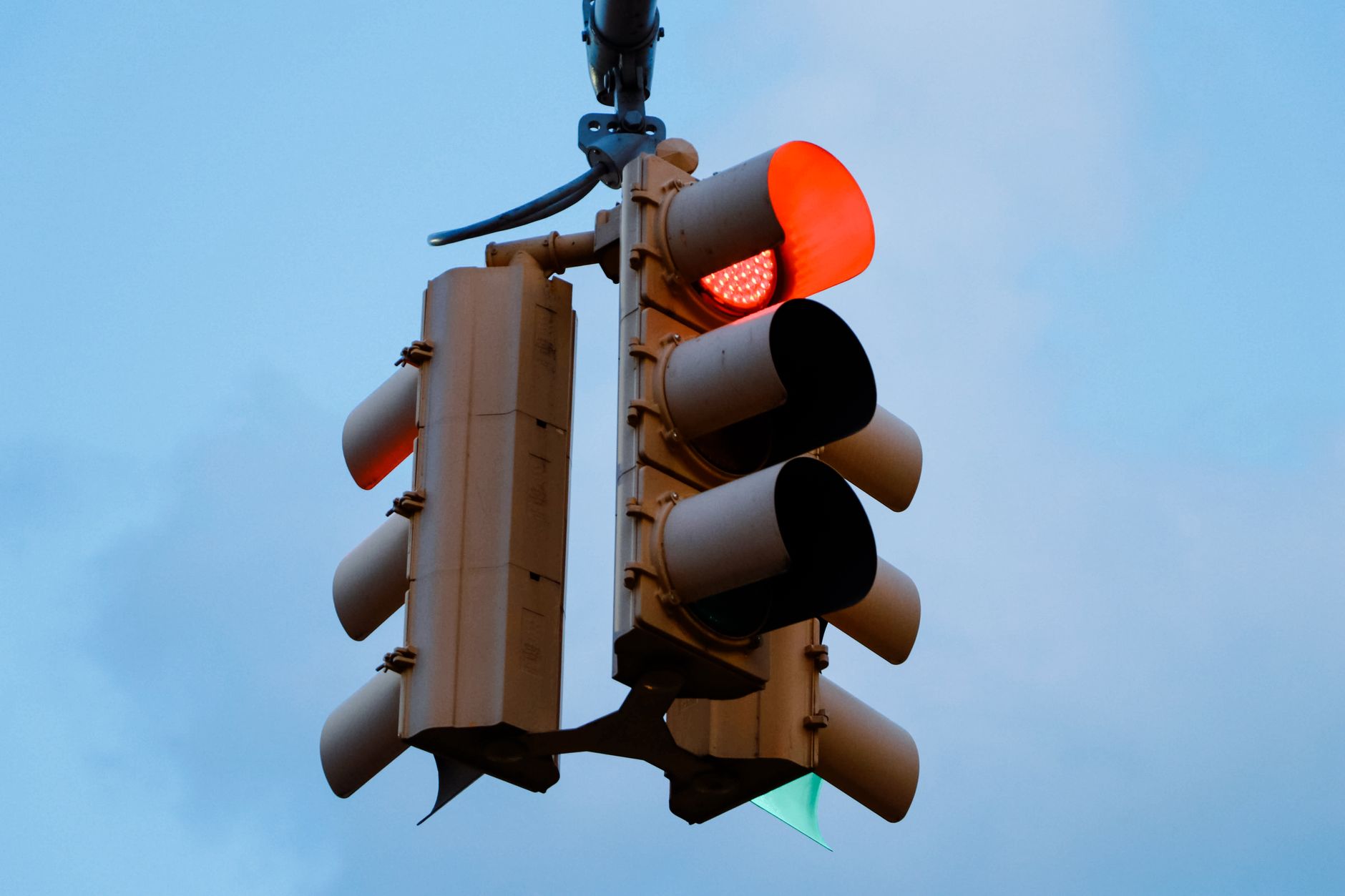
Understanding the significance of a flashing red light while driving is crucial for safety on the road. Whether you’re navigating through busy city streets or embarking on a long road trip, recognizing what these signals mean can help ensure a safer travel experience. This article delves into the implications of a flashing red light, related traffic laws, and useful safety tips for drivers.
Flashing red lights typically indicate a stop signal, similar to a stop sign or a traffic signal. They require drivers to halt their vehicles and proceed with caution. However, the context of the flashing red light can vary based on location, providing important cues for safe driving practices. Let’s explore these meanings more thoroughly and how drivers can respond effectively.
What Does Flashing Red Light Mean?
A flashing red light signals to drivers that they must stop their vehicle. It generally indicates that there is a need for caution, similar to the steady red light of a traffic signal. These signals are commonly found at traffic light intersections, railroad crossings, or emergency situations involving law enforcement and other emergency response units.
The flashing red light shows that you should:
- Come to a complete stop
- Yield to any pedestrians crossing the intersection
- Watch for other vehicles before proceeding
In many cases, a flashing red light may also indicate that there is an emergency or hazardous situation nearby, so maintaining awareness is important.
Contexts for Flashing Red Lights
1. Traffic Lights
When approaching a traffic light with a flashing red signal, treat it as a stop sign. This means that all vehicles must stop and only proceed when it is safe to do so. Ensure that you check for oncoming traffic, pedestrians, and cyclists before crossing the intersection.
2. Railroad Crossings
Flashing red lights at railroad crossings signal that a train is approaching. Drivers must stop at the designated stop line and remain stopped until the lights stop flashing and any train has cleared the area. Remember that trains are much closer than they appear and can be traveling at high speeds.
3. Emergency Vehicles
Flashing red lights are also an identifier for emergency vehicles, such as police cars, ambulances, and fire trucks. If you see a flashing red light from an emergency vehicle, move to the side of the road and stop to allow them to pass safely. In some places, it’s the law to yield to emergency vehicles regardless of the situation.
4. School Zones
In specific areas, especially around schools, flashing red lights may indicate the need for lower speed limits and increased caution. This is particularly important during school hours when children may be present. Always obey the speed limits and be prepared to stop.
Driver Safety Tips for Responding to Flashing Red Lights
Knowing what to do when encountering a flashing red light is essential for maintaining safety on the road. Here are key tips to keep in mind:
1. Stay Alert
Being aware of your surroundings is the first step toward responsible driving. Keep an eye out for flashing lights, road signs, and signals as you drive. Your ability to predict potential hazards directly correlates with your response time when you encounter flashing lights.
2. Understand Your Vehicle’s Limitations
Different vehicles handle stopping distances differently. Larger vehicles may require longer distances to come to a complete stop. It’s critical to understand your own vehicle’s capabilities and allow ample space when responding to flashing red lights.
3. Follow Traffic Rules and Regulations
Always adhere to local traffic rules, including the actions required upon seeing flashing red lights. Familiarize yourself with regional traffic laws, as regulations regarding flashing signals can vary by state or country.
4. Ensure Visibility
Using headlights during low visibility conditions, such as rain or fog, is crucial. This practice helps other drivers see you, making it safer for everyone on the road.
5. Position Your Vehicle Correctly
When stopping at intersections with flashing red lights, position your vehicle in a way that allows a clear view of oncoming traffic. This positioning can help increase your awareness of when it is safe to proceed.
Common Questions About Flashing Red Lights
What Should I Do If I Encounter a Flashing Red Light?
Come to a complete stop, similar to a stop sign, and ensure it’s safe to proceed. Always yield to pedestrians and watch for other vehicles until you clearly see that it’s safe to move forward.
Are Flashing Red Lights Used Internationally?
While the use of flashing red lights is common in many countries, the specific rules may differ. It is essential for drivers to learn local traffic laws, especially when traveling internationally.
What If the Flashing Red Light is Malfunctioning?
If you encounter a malfunctioning flashing red light, treat the intersection as a four-way stop. Yield to the vehicle on your right and proceed with caution, being vigilant about pedestrians and other road users.
Practicing Safe Driving Habits
Incorporating safe driving habits goes beyond merely obeying signals. Here are some practices to ensure safety while driving:
- Maintain Speed Limits: Knowing and adhering to speed limits will help you react appropriately to unexpected flashing lights.
- Distracted Driving: Avoid distractions like mobile devices, loud music, or other diversions that take your attention away from the road.
- Defensive Driving: Anticipate the actions of other drivers, and always be prepared for surprises that could lead to accidents.
- Regular Vehicle Maintenance: Keeping your vehicle in good repair ensures it performs well and is safe to drive.
Emergency Situations and Flashing Lights
Recognizing the context of flashing red lights can help in emergency situations. Emergency responders often use their lights to alert others of hazards or incidents on the road. Follow these tips during emergency situations:
1. Move Over
In many states, it’s required by law to move over when you see an emergency vehicle with flashing lights. Create a safe space for the vehicle to pass, ensuring that you don’t place yourself or others in danger.
2. Stay Calm
Seeing emergency vehicles or indicators of an emergency can cause panic. Take a breath and remain calm, focusing on the steps you need to take to keep safe.
3. Knowledge of Emergency Procedures
Drivers should familiarize themselves with local laws regarding stopping and yielding to emergency vehicles. Understand how to properly respond in emergency scenarios, as this could be critical in avoiding accidents.
Travel Considerations Related to Flashing Red Lights
If you’re planning a road trip or traveling in unfamiliar areas, pay extra attention to traffic signals and flashing red lights. Cities and rural areas can have varied signage, so be observant. Here are some travel tips to enhance your experience:
Planning Your Route
Before you travel, review the area you’ll be driving in. Use GPS or online maps to familiarize yourself with traffic patterns and known problem areas where flashing lights may be common.
Understanding Local Traffic Laws
Each region may have different traffic regulations. It can be beneficial to research and understand the laws relevant to your travel destination, especially concerning flashing lights and signals.
Road Conditions
Weather conditions dramatically affect road safety. Rain, snowy roads, or fog may require additional precautions when responding to flashing warning lights. Always check the weather reports before heading out and adjust your driving accordingly.
Emergency Contact Information
Keep emergency contact information handy, including numbers for roadside assistance and emergency responders. If you see a flashing red light indicating an emergency, you may need these contacts if you must report an incident.
Conclusion
Flashing red lights serve as a vital part of road safety, guiding drivers on how to react in various situations. Understanding their significance and knowing how to respond will make you a more diligent and responsible driver. Always prioritize caution and be aware of your environment to enhance your safety and that of others on the road.
For more information on traffic signals and road safety, check the articles on what a flashing red light means and what to do when you approach a flashing red light. Consider these resources valuable for driving safely in all circumstances.