
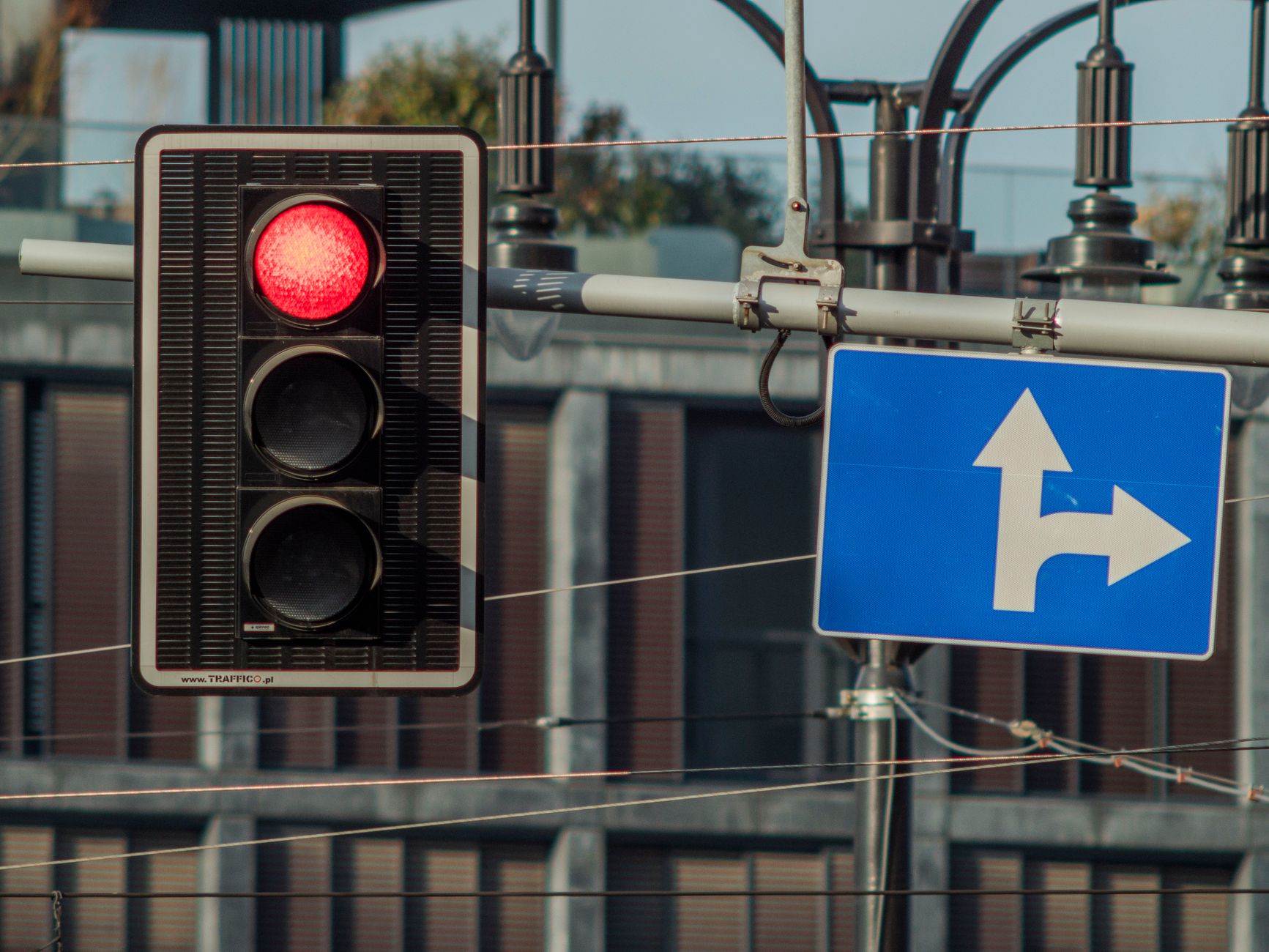
The ability to turn right on a red arrow varies by location, as different regions and countries have distinct traffic rules. Understanding these regulations is essential for travelers to navigate urban areas safely and efficiently. This article provides an in-depth look at the rules surrounding right turns at red arrows and what you need to know while driving in unfamiliar places.
Whether you’re planning a road trip across the United States, visiting urban centers in Canada, or exploring areas in the UK, knowing how to handle red arrows at intersections will help ensure a smooth journey. Let’s delve into the details and explore this crucial aspect of driving safety.
Can You Turn Right on a Red Arrow?
Generally speaking, in most jurisdictions across the United States, you are allowed to turn right on a red light unless specifically prohibited by a posted sign. However, when it comes to a red arrow, which indicates a protected turn lane, the rules are different. A red arrow generally means that you must stop and wait for the green arrow to proceed in that direction, meaning you cannot turn right.
In Canada, similar rules apply, and turning right on a red arrow is typically prohibited. The UK has strict rules where a red arrow means no turning at all. Hence, international travelers must be aware of these regulations, differing substantially from the United States.
Understanding Traffic Signals
Traffic signals are designed to control the flow of traffic and enhance road safety. They help ensure that vehicles and pedestrians can navigate intersections with minimal risk. Below are some details about various traffic lights:
- Red Light: Indicates that vehicles must stop. In most places, a right turn is not permitted if a red arrow is present.
- Green Light: Vehicles can proceed through the intersection or make a turn if it is safe to do so.
- Yellow Light: Indicates that the light is about to change to red. Drivers should prepare to stop unless they are too close to the intersection to do so safely.
- Flashing Red Light: This means to treat the intersection as a stop sign. Drivers must come to a complete stop and proceed when safe.
Where Can You Turn Right on a Red Arrow?
While some places do not allow right turns on a red arrow, others permit such maneuvers in specific situations. Here’s a breakdown of various regions:
United States
In most states in the U.S., you can turn right at a red light after coming to a complete stop, unless signs indicate otherwise. However, for red arrows, the same does not apply. The vehicles must stop and wait for a green arrow or turn signal in the designated direction.
Canada
In Canada, turning right on a red signal is typically allowed unless a sign prohibits it. However, a red arrow indicates that you should stop and wait for the green light. Each province may have slight variations in rules, so it’s crucial to be aware of local traffic laws.
United Kingdom
The UK has stricter rules, and turning right on a red light or arrow is not permitted under any circumstances. Drivers must wait for a green signal before proceeding.
Signs Indicating Red Arrow Rules
Traffic signs often accompany red lights to clarify directives to drivers. It is essential to look out for signs that further dictate the terms for turning at red arrows.
- No Right Turn on Red: An explicit sign that indicates no turns allowed on red signals, including red arrows.
- Yield to Pedestrians: If there are pedestrians present, always yield, even if you may proceed with your turn.
- Protected Turn Lane: A red arrow may indicate a protected turning lane, where you are prohibited from turning until the signaling changes.
The Importance of Observing Local Traffic Laws
Each city or country has unique traffic regulations which reflect their traffic safety ethos. When traveling:
- Always familiarize yourself with local driving rules before hitting the road.
- Check for traffic signs regularly, as they inform drivers about specific laws that may differ from general national rules.
- Watch for road markings that may indicate permissible movements at intersections.
Pitfalls to Avoid When Turning Right on Red
Failing to adhere to traffic signals can result in violations that lead to fines or accidents. Here are common pitfalls to avoid:
- Ignoring Red Arrows: Always stop at a red arrow; these signals are designed to protect both drivers and pedestrians.
- Failure to Yield: If turning is permissible, make sure to yield to pedestrians and oncoming vehicles.
- Assumptions: Do not assume rules from one area will apply in another; always check local legislation.
What to Do if You Encounter Confusing Signals
Confusion at intersections can lead to dangerous situations. Here’s what to do:
- Pause and Observe: Take a moment to assess the signals and surrounding traffic.
- Look for Signs: Check for any posted signs that might have additional rules.
- Yield If Uncertain: If in doubt about whether to turn, yield to other vehicles and pedestrians.
Driving Safety Tips for Travelers
Driving in a new area can be daunting, but these tips will help ensure a safer experience:
- Keep Your Eyes on the Road: Avoid distractions while driving, and pay close attention to signals and signs.
- Use a GPS or Map Application: Modern navigation tools can help direct you while providing real-time traffic updates.
- Practice Defensive Driving: Always be prepared for unexpected actions from other drivers and pedestrians.
Conclusion: Key Takeaways About Turning Right on Red Arrows
In summary, turning right on a red arrow is generally prohibited in most situations across different regions, particularly in Canada and the UK. It is crucial for travelers to be aware of local traffic laws and signage.
To have a safe and enjoyable trip, familiarize yourself with the driving regulations of the places you are visiting. Whether you are embarking on a road trip or navigating city streets, knowing traffic rules will help ensure a smooth journey.
For further insights into traffic signals, you can explore what it means when you encounter a flashing red light or learn about driving behavior at flashing red lights. Visit what does a flashing red light mean and what to do when you approach a flashing red light for more detailed information.