
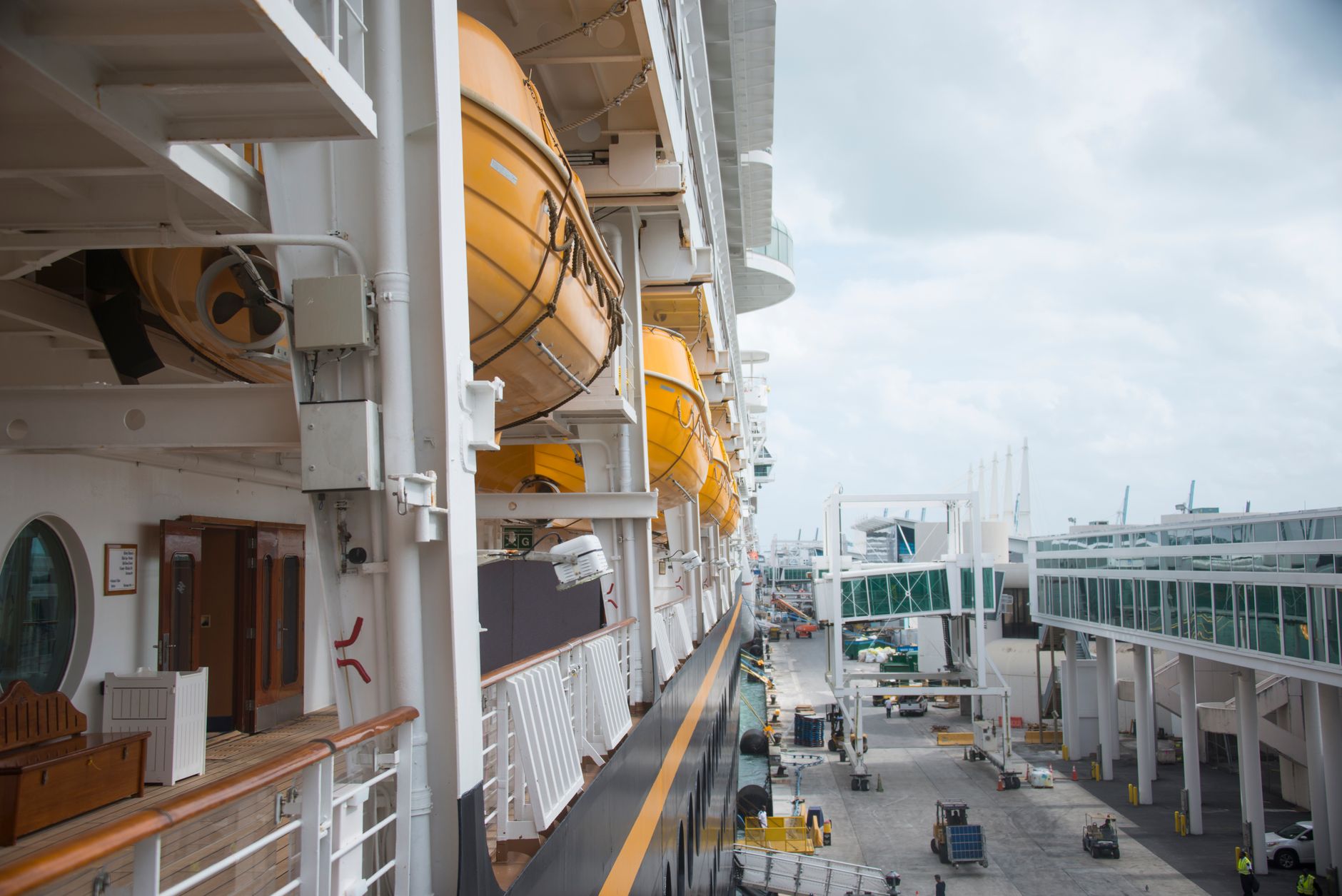
Understanding the term “embarkation port” is crucial for anyone planning to take a cruise or participate in a ferry service. The embarkation port is essentially the starting point or terminal from which passengers board a ship. This article delves into the nuances of embarkation ports, their significance in travel planning, and practical tips for navigating this key aspect of marine travel.
We will explore what an embarkation port means, how to choose the right one for your journey, the logistics involved, and local tips to make your embarking experience smooth and enjoyable.
What Does Embarkation Port Mean?
An embarkation port is the designated location where passengers board a ship, typically for cruises or ferry services. It is the initial stop on a maritime journey, marking the beginning of the travel experience. Choosing the right embarkation port is crucial, as it can influence travel logistics, costs, and overall enjoyment.
The Importance of the Embarkation Port in Your Travel Plans
Choosing the right embarkation port can significantly affect your travel experience. Several factors come into play:
- Travel Distance: Selecting a port close to home can save time and transportation costs.
- Port Facilities: Some ports offer extensive facilities and amenities that can enhance the boarding process.
- Port of Call: Some embarkation ports have exciting local attractions worth visiting before your voyage.
- Seasonal Variations: Different ports may have peak seasons, affecting availability and pricing.
Popular Embarkation Ports Around the World
Different regions around the globe have well-known embarkation ports. Here’s a list of some of the most frequented ones:
- Port of Miami: This is one of the largest cruise ports, offering access to Caribbean cruises.
- Port Canaveral, Florida: Popular for Disney cruises, and it has excellent facilities for families.
- Barcelona, Spain: A key port for Mediterranean cruises, with rich culture and history.
- Cape Town, South Africa: A beautiful embarkation point for cruises around Africa, offering stunning views of Table Mountain.
- Vancouver, Canada: Ideal for Alaska cruises, this port offers lush scenery and vibrant city life.
How to Choose the Right Embarkation Port
Selecting the right embarkation port requires thoughtful consideration. Here are some helpful tips:
Consider Your Travel Budget
Look at the cost of traveling to and parking at the embarkation port. Some ports may offer international connections that can save money on flights.
Assess Convenience
How easily accessible is the port? Check nearby airports, public transport, and accommodation options.
Evaluate Available Cruise Lines
Not all cruise lines operate from every port. If you have a specific line in mind, your choice may be predetermined.
Check Local Attractions
If you arrive at the port early, you might want to explore the local area. Some ports, like Barcelona, provide ample sightseeing opportunities.
Review Seasonal Trends
Be mindful of peak seasons. Ports may become congested during high season, leading to longer boarding times.
Logistics of Embarkation
The embarkation process involves several important steps. Understanding how they work can lead to a smoother experience:
Documentation Required
Ensure you have all necessary documentation. This typically includes:
- Passport
- Embarkation or boarding pass
- Vaccination records (if applicable)
Arrival Time
Most cruise lines recommend arriving at least 2 to 3 hours before departure. This allows time for check-in, security checks, and boarding.
Check-in Procedures
Upon arrival at the embarkation port, you will go through a series of check-in procedures. Expect:
- Document verification
- Security checks
- Luggage handling
Boarding the Ship
After check-in, boarding usually takes place in an organized manner, often by zones or groups. Pay attention to announcements and follow instructions.
Local Tips for Navigating Embarkation Ports
To make your embarkation experience as stress-free as possible, heed these local tips:
Arrive Early
Avoid the last-minute rush by arriving early. Not only does this ease anxiety, but it also lets you enjoy the port’s amenities.
Know the Lay of the Land
Familiarize yourself with the layout of the embarkation port. Understanding where to check-in and where to go for boarding can save time.
Utilize Port Services
Many embarkation ports offer services such as luggage handling, shuttle buses, and refreshments. Take advantage of these offerings to enhance your experience.
Stay Hydrated and Fetch Snacks
Ports can be busy, leading to long lines. Having water and snacks can help you maintain energy levels during the wait.
Understanding Embarkation Terms and Conditions
Familiarize yourself with the cruise liner’s terms and conditions regarding embarkation. Here are some key points to understand:
Cancellation Policies
Look into the cancellation policies associated with your embarkation port and cruise. Understand what actions to take if plans change unexpectedly.
Travel Insurance
Consider travel insurance that covers cancellations or interruptions related to your embarkation. This can provide peace of mind.
Health and Safety Guidelines
Many cruise lines now have specific health guidelines in place. Be sure to understand these, including vaccination requirements and testing protocols.
Common Questions About Embarkation Ports
Many travelers have questions regarding embarkation ports. Here are some common queries answered:
What if My Flight is Delayed?
Contact your cruise line immediately if your flight is delayed. They can provide options, though they may not be able to guarantee late boarding.
Can I Visit the Port City Before Boarding?
Yes, many travelers arrive a day early to explore. Just ensure you have accommodation and transportation arranged.
Are There Age Restrictions at Embarkation Ports?
Different ports might have their own regulations, but most will allow minors if accompanied by adults. Check the rules specific to the cruise line.
Conclusion
Understanding what an embarkation port means and the factors to consider when choosing one can significantly improve your travel experience. By planning ahead, familiarizing yourself with logistics, and utilizing local tips, you will set yourself up for a rewarding embarkation experience.
Next, consider exploring related information that can enhance your travel planning. Check out what is a point of embarkation and learn how old do you have to be to book a cruise.