
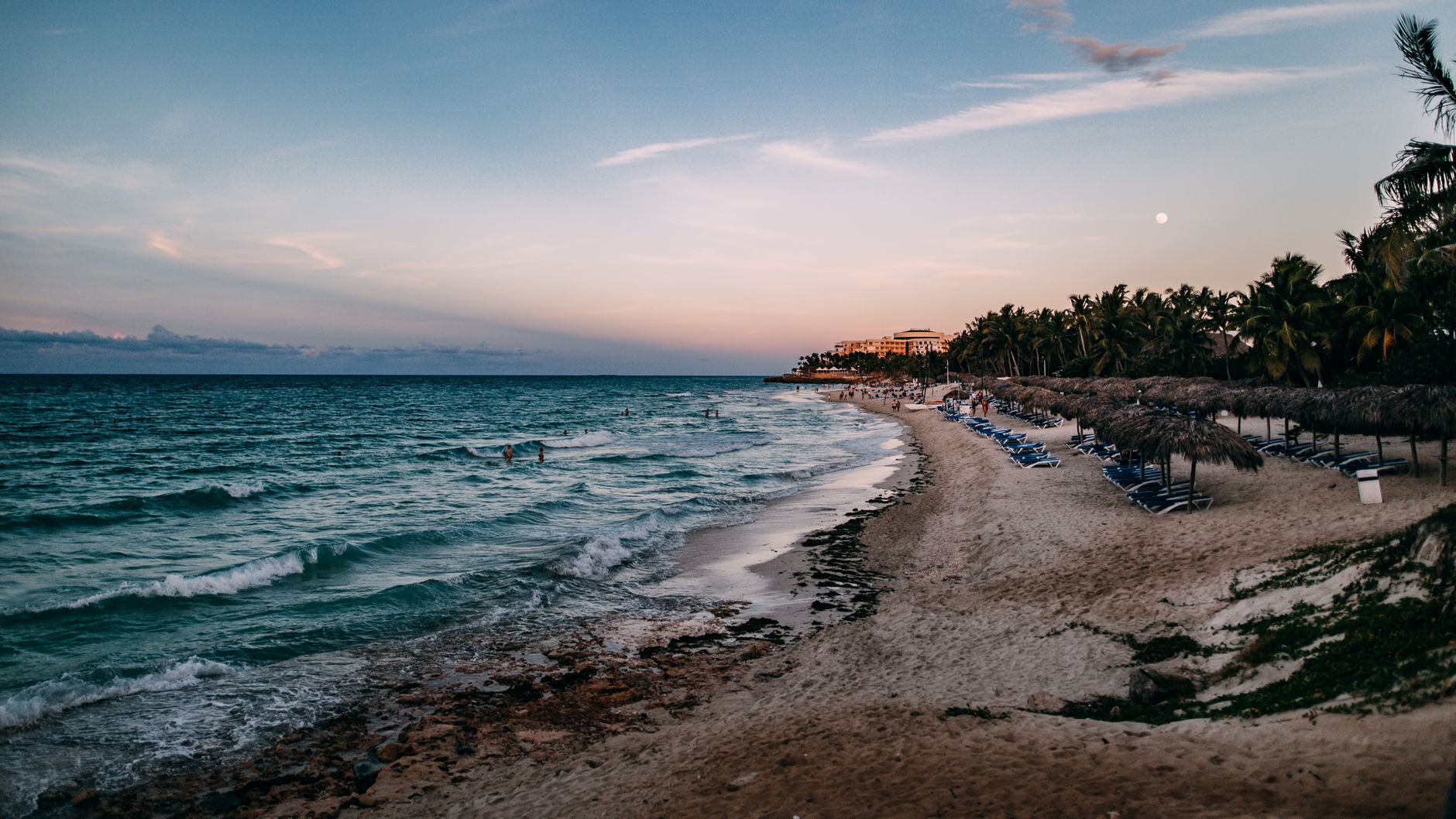
Cuba, the largest island in the Caribbean, is often considered a dream destination for many travelers looking for vibrant culture, stunning beaches, and rich history. Just a short distance from the United States, particularly from the southern tip of Florida, many are curious about how far Cuba is from this state. The proximity of these two locations opens up various travel opportunities, making it an interesting subject for those considering a trip to Cuba.
This article will delve into the distance between Cuba and the tip of Florida, travel options, as well as provide insights on planning your visit to Cuba from Florida. Whether you’re considering a quick getaway or a more extended vacation, knowing the distance is essential for planning your journey effectively.
How Far Is Cuba from the Tip of Florida?
The distance from Cuba to the southern tip of Florida, specifically Key West, is approximately 90 miles (145 kilometers). This geographical closeness highlights the almost tangible connection between the United States and Cuba, making it possible to travel between the two nations relatively quickly.
In fact, on a clear day, you can often see the Cuban coastline from Key West. This proximity has not only played a significant historical role but also continues to shape the travel dynamics between these two locations.
Travel Options from Florida to Cuba
Traveling from Florida to Cuba has become increasingly accessible, with several options available to suit different preferences and budgets. Here are some of the most common ways to make the trip:
1. Flights
Flying is the most popular way to travel from Florida to Cuba. Major cities like Miami and Fort Lauderdale offer direct flights to several destinations in Cuba, including Havana, Varadero, and Santiago de Cuba. The flight duration is approximately 1.5 hours, making it a quick and efficient travel option.
- Miami to Havana: About 1 hour, with multiple daily flights.
- Fort Lauderdale to Havana: Approximately 1 hour, with various carriers available.
- Miami to Varadero: Close to 1 hour and 15 minutes.
Before flying, check the airline policies, as direct flights and travel regulations may vary based on your nationality and travel purpose.
2. Ferries
Ferry services between Florida and Cuba have been introduced periodically, making this another alternative for travelers. The ferry ride typically takes around 4 to 5 hours, and while services are not as frequent as flights, they offer a unique travel experience, allowing you to enjoy the Caribbean waters.
Check local operators for schedules and bookings, as ferry services can be subject to weather conditions and regulatory approvals.
3. Private Yacht or Boat
For those who prefer a more adventurous approach, traveling by private yacht or boat can provide a scenic and leisurely experience. This method requires careful planning, including understanding maritime regulations, safety protocols, and ensuring proper documentation for both Cuba and the U.S.
Many boaters choose to dock in marinas in Havana or Varadero, where facilities are available for international maritime travelers.
Planning Your Trip to Cuba
If you’ve decided to visit Cuba from Florida, it’s essential to plan your trip properly. Here is a comprehensive guide on what to consider:
Travel Documentation
Traveling to Cuba requires specific documentation:
- Passport: Ensure your passport is valid for at least six months beyond your expected departure date from Cuba.
- Visa: A tourist card, commonly known as a visa, is required. You can purchase this through your airline, a travel agency, or the Cuban consulate.
- Insurance: Proof of health insurance is necessary. Most international flights include basic coverage; however, it’s recommended to verify your policy.
Best Time to Visit Cuba
The ideal time to visit Cuba is during the dry season, which runs from November to April. During this period, you can expect pleasant weather, lower humidity, and minimal rainfall, making it perfect for exploring the island.
However, this is also peak tourist season, so expect larger crowds and higher accommodation rates. The shoulder months of May and October can be a balanced choice, with fewer tourists and relatively good weather, but there is a higher chance of rain.
Cultural Considerations
Cuba has a rich cultural heritage influenced by its African, Spanish, and indigenous roots. Understanding local customs can enhance your travel experience:
- Language: Spanish is the official language. While many in tourism speak English, learning a few basic phrases can be beneficial.
- Etiquette: When greeting Cubans, a handshake is customary. It is polite to maintain eye contact and smile.
- Gratitude: Tipping is appreciated; rounding up your bill or providing a small percentage (10-15%) is considered generous.
Accommodation Options
Cuba offers various accommodation options to fit different budgets and experiences:
- Hotels: International chains and local hotels are available, with varied amenities. Booking in advance can secure better rates.
- Casa Particulares: These are private homestays that provide a more authentic local experience. They often include meals and local insights, making them quite popular among travelers.
- Hostels: Budget-friendly options for young travelers, suitable for those seeking to meet others and explore together.
Must-See Attractions in Cuba
When visiting Cuba, there are numerous attractions worth your time. Here’s a selection of some of the top sites:
1. Havana
The capital city of Havana is a vibrant blend of old and new. A UNESCO World Heritage site, it’s characterized by its historic architecture, lively streets, and rich cultural life. Must-see sites include:
- Old Havana (Habana Vieja): Explore cobblestone streets, colorful buildings, and iconic plazas such as Plaza de la Catedral.
- Malecón: This seafront promenade is perfect for leisurely walks and viewing sunset over the sea.
- Castillo del Morro: A historic fortress that provides stunning views of the harbor and city.
2. Viñales Valley
A beautiful region known for its dramatic limestone cliffs and lush tobacco fields, Viñales Valley is perfect for outdoor enthusiasts. Hiking, horseback riding, and exploring local tobacco farms are popular activities here.
3. Varadero Beach
If your idea of Cuba involves sun and sand, Varadero Beach is a must-visit. With its stunning white sands and crystal-clear waters, it’s a great place to relax and enjoy water sports.
4. Trinidad
A charming colonial town recognized for its well-preserved historical architecture, Trinidad offers cobblestone streets filled with music, art, and traditional Cuban culture. Key sites include:
- Plaza Mayor: The heart of Trinidad, surrounded by museums and beautiful buildings.
- Valle de los Ingenios: A UNESCO World Heritage site showcasing the history of the sugar industry in Cuba.
5. Cienfuegos
A coastal town known for its French colonial architecture, Cienfuegos is often referred to as the “Pearl of the South.” Explore the beautiful Parque José Martí and the stunning Palacio de Valle.
Transportation in Cuba
Getting around Cuba can be a unique experience. Here are the available transportation options:
1. Domestic Flights
For longer distances, domestic flights connect major cities. Airlines operate regular flights from Havana to cities like Santiago de Cuba, Holguín, and Cienfuegos.
2. Buses
The Viazul bus system provides reliable and comfortable transportation between major cities. It’s an affordable option, with schedules available online.
3. Taxis and Colectivos
Taxis are widely available but ensure you agree on a fare before starting your journey. Colectivos (shared taxis) are a budget-friendly option, where multiple passengers share the cost for a ride.
Classic cars are iconic in Cuba and can be rented for a unique experience, but consider your safety and choose licensed operators.
4. Bicycles and Walking
In walkable cities like Trinidad and Havana, exploring by foot or bicycle can be an enjoyable way to see local life up close. Bicycle rentals are available in most tourist areas.
Budgeting for Your Trip to Cuba
Understanding the cost aspects of your trip to Cuba will help you plan better:
1. Currency
Cuba has a unique dual currency system, but most travelers will interact with the Cuban Peso (CUP). Access to foreign currency can be limited; therefore, bringing cash is advisable. Credit cards are not widely accepted.
2. Costs
The average daily cost in Cuba can vary depending on your travel style:
- Accommodation: Casas particulares can range from $25 to $50 per night, while hotels can exceed $100.
- Food: Meals at local restaurants cost approximately $5 to $15, while higher-end establishments may charge more.
- Activities: Entry fees for attractions and tours can vary but expect to spend around $10 to $30 depending on the experience.
Conclusion
Traveling from Florida to Cuba offers an exciting opportunity to experience a diverse culture and stunning landscapes. With just a short distance of about 90 miles separating the two locations, it is easier than ever to make this journey.
Make sure to plan ahead, secure necessary documentation, and choose the travel method that best fits your style. Cuba’s charm and allure await, promising an unforgettable experience.
Explore our related guides for further information, including details on how far is Cuba from Florida and American travel rules for Cuba.