
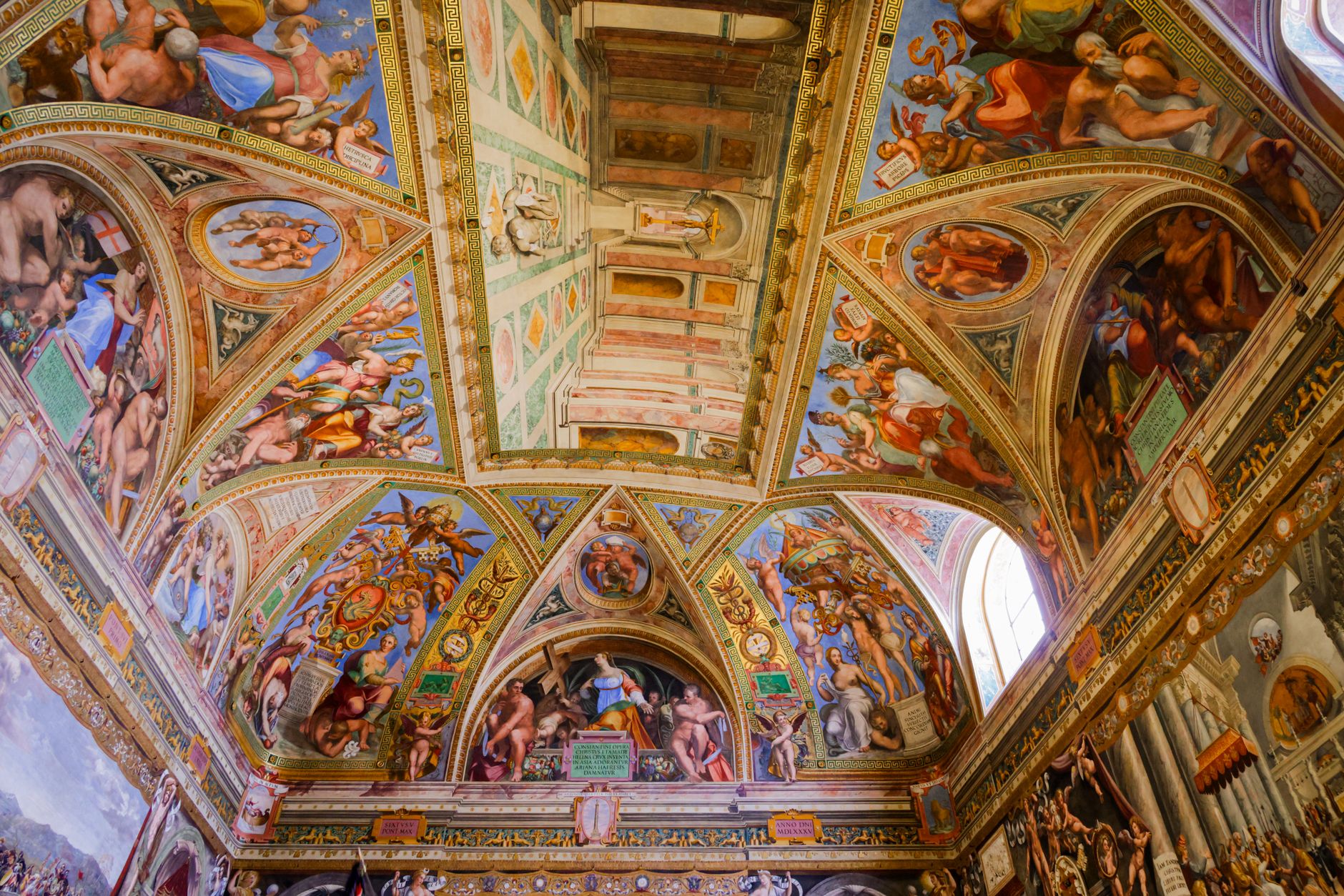
The Sistine Chapel, located in Vatican City, is one of the most iconic artistic masterpieces in the world. Renowned for its magnificent frescoes by Michelangelo, this chapel serves as a functioning church and the site of papal conclaves. But what exactly makes this historic site a must-visit for travelers?
In this guide, we explore the history, key features, visiting tips, and logistical considerations for experiencing the Sistine Chapel. Whether you are an art enthusiast, a history buff, or someone seeking spiritual reflection, there is much to appreciate in this remarkable space.
What Is the Sistine Chapel?
The Sistine Chapel is a chapel in the Vatican City, constructed between 1473 and 1481, originally commissioned by Pope Sixtus IV. It is famous for its stunning ceiling painted by Michelangelo between 1508 and 1512, completed with the iconic Last Judgment mural, which covers the altar wall. The chapel serves multiple purposes, from its architectural significance to its role as the papal conclave site.
A Brief History of the Chapel
The Sistine Chapel has a rich history dating back to the late 15th century. Designed by architect Giovanni dei Dolci, it was created in the Renaissance style, and its proportions reflect those of the Temple of Solomon as described in the Bible.
Several popes made contributions to the chapel, but it was Michelangelo’s work that truly solidified its status in art history. The ceiling paintings draw from various biblical stories, including the Creation of Adam, where God reaches out to Adam. Michelangelo’s work received both acclaim and criticism during its inception, yet it ultimately became a hallmark of high Renaissance art.
The Art of the Sistine Chapel
The artwork within the Sistine Chapel is nothing short of exceptional. Here are some of the key highlights you should focus on during your visit:
- The Ceiling: Michelangelo’s frescoes depict scenes from the Book of Genesis. The Creation of Adam is perhaps the most recognizable scene.
- The Last Judgment: Painted on the altar wall, this work illustrates the second coming of Christ and the final judgment of souls. It was completed in 1541, long after the ceiling.
- Other Artists: The chapel also features contributions from other notable artists of the Renaissance, including Sandro Botticelli and Domenico Ghirlandaio, whose works frame the walls.
Why Visit the Sistine Chapel?
Visiting the Sistine Chapel offers a unique amalgamation of art, history, and spirituality. It’s not just a feast for the eyes; it provides insight into the cultural and religious dynamics of its time. For those interested in Renaissance art, this is a critical piece of the puzzle. Additionally, it holds great significance within the Catholic Church.
Planning Your Visit to the Sistine Chapel
When planning a visit to the Sistine Chapel, consider the following practical tips to enhance your experience:
Best Time to Visit
The ideal time to visit is during the weekdays outside peak tourist seasons (spring and summer). Mornings and late afternoons tend to be less crowded. However, be prepared for lines as it is one of the most popular attractions in the world.
Getting There
The easiest way to reach the Sistine Chapel is by entering through the Vatican Museums. The closest metro station is Ottaviano-San Pietro, which is a 10-15 minute walk away. Alternatively, guests can use bus lines that operate throughout Rome.
Admission Fees
Entrance to the Sistine Chapel is generally included with a ticket to the Vatican Museums. It’s advisable to purchase tickets in advance to skip the lines, especially during high season. Check the official Vatican Museums website for the most current pricing and schedule.
Hours of Operation
The chapel is typically open from 9:00 AM to 6:00 PM, with the last admission being at 4:00 PM. Note that it is occasionally closed for religious ceremonies or events, so check in advance to avoid disappointment.
What to Expect Inside
Once inside, visitors are expected to maintain a respectful silence. Photography is prohibited, which helps to preserve the artwork and allows for a more spiritual experience. Take your time to absorb the intricate details of the frescoes and let yourself be enveloped in the ambiance of this sacred space.
Visitor Etiquette and Tips
To ensure a respectful visit, keep the following guidelines in mind:
- Dress Code: As a place of worship, visitors are required to dress modestly. Shoulders and knees should be covered.
- Silence is Key: Speak in hushed tones, if necessary, to maintain the sanctity of the chapel.
- No Food or Drink: Eating, drinking, and smoking are strictly prohibited within the chapel.
- Be Aware of Photography Rules: No photography is allowed within the chapel to protect the artwork.
Combining Your Visit with Other Attractions
The Sistine Chapel is part of the Vatican Museums, which include various other noteworthy attractions. To maximize your visit, consider exploring these nearby highlights:
- The Vatican Museums: Spend time admiring the extensive art collections, including the Raphael Rooms.
- St. Peter’s Basilica: Just a short walk from the chapel, this remarkable basilica deserves its own time for exploration.
- Papal Audience: If you visit on a Wednesday, consider attending the papal audience at St. Peter’s Square.
Accommodation Options Nearby
Staying near Vatican City offers convenience if you wish to prolong your visit. Here are some accommodation areas and types to consider:
Neighborhoods for Accommodation
- Vatican City: Ideal for those looking for an unforgettable experience right outside their doorstep.
- Trastevere: Offers a more bohemian atmosphere with plenty of dining and nightlife options, just a short distance away.
- Prati: This neighborhood provides a mix of modern convenience and classic Roman vibe, with easy access to public transport.
Budget Considerations
Traveling to the Sistine Chapel can be as affordable or as luxurious as you choose. Consider the following:
- Admission Costs: Typically included in the Vatican Museums ticket price, which is more economical when booked online.
- Dining: Expect higher prices around tourist areas; seek out local trattorias for authentic, budget-friendly meals.
- Accommodation: Options vary widely in cost. Consider staying in nearby areas to save money while enjoying the charm of Rome.
What to Pack for Your Visit
When planning your trip to the Sistine Chapel and Vatican City, consider packing the following essentials:
- Comfortable Shoes: You’ll be walking and standing a lot; comfortable footwear is a must.
- Light Layers: Temperatures can fluctuate, especially in the basilica and chapel, which can be cooler than outdoors.
- A Small Bag for Personal Items: Keep it light as bags can slow you down during security checks.
- A Camera Without Flash: Although photography is not allowed in the chapel, capturing memories in the Vatican Museums is permitted.
When to Go: Seasonal Considerations
The climate in Rome varies significantly by season, which may influence your visit. Here’s an overview:
- Spring (March to May): A popular time with mild weather; however, expect crowds.
- Summer (June to August): It can be hot and busy, so visits early in the morning or later in the afternoon are recommended.
- Fall (September to November): Pleasant temperatures make it an ideal time to visit; crowds tend to thin out post-summer.
- winter (December to February): Cooler weather and fewer tourists may afford you a more intimate experience.
Conclusion
The Sistine Chapel is more than just an artistic landmark; it is a testament to human creativity, faith, and history. Whether you are captivated by its art or moved by its spiritual significance, a visit is sure to leave an impression.
As you prepare for your trip, consider pairing the Sistine Chapel with other experiences in Vatican City and Rome. Explore local cuisine, take guided tours, or visit historical sites to round out your journey.
For more travel-related tips, feel free to explore our guides on the Vatican Museums, St. Peter’s Basilica, or local food experiences in Rome.