
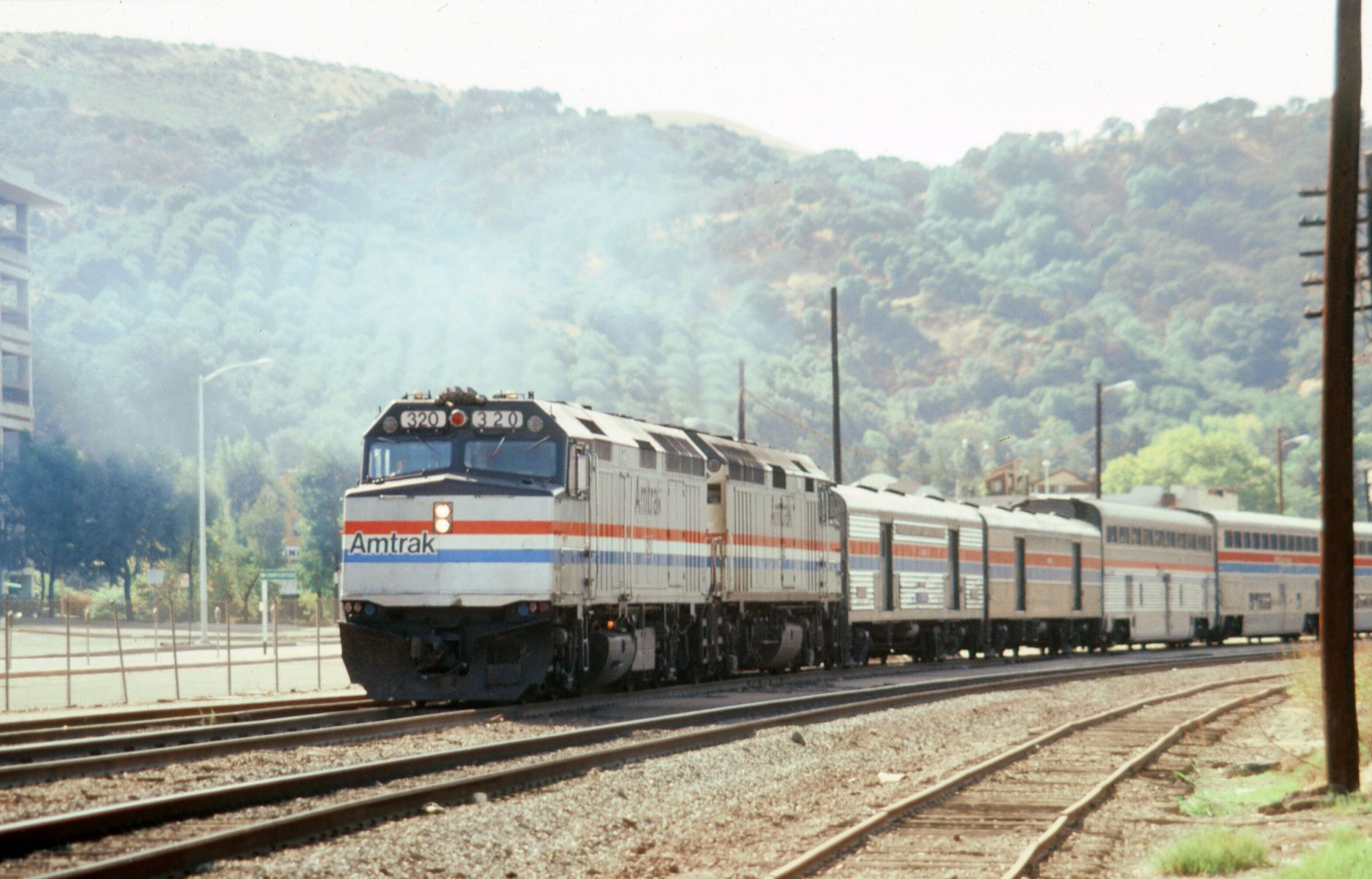
Traveling via Amtrak offers a unique and scenic way to explore the United States, but many travelers often wonder, “Why is Amtrak so expensive?” The costs associated with train travel can be surprising, especially when comparing them to other forms of transportation. Understanding these costs can help travelers make informed decisions and plan a successful trip.
This article explores the reasons behind Amtrak’s pricing, including operating costs, fees, and travel tips to help you save money while enjoying the journey.
Why Is Amtrak So Expensive?
Amtrak’s pricing can be attributed to a blend of operational costs, the nature of train travel, and government funding dynamics. Primarily, the high expenses stem from infrastructure maintenance, staffing, and the nature of rail versus other modes of transport.
Understanding Amtrak’s Operational Costs
Rail travel involves various expenses that influence ticket prices. Key factors include:
- Infrastructure Maintenance: Trains rely on tracks, bridges, and tunnels, which require continual upkeep. Many of these assets are owned by freight rail companies, which charge Amtrak for usage.
- Labor Costs: Train operators, conductors, and maintenance staff need to be well-compensated to ensure quality service and safety. With labor laws and strong unions, this can significantly elevate expenses.
- Fuel and Technology: Operating a fleet of trains demands substantial amounts of fuel and investment in technology to improve efficiency. As energy prices fluctuate, so do operational costs.
- Safety Regulations: Stringent safety regulations require regular inspections and updates to rolling stock and track infrastructure, contributing to overall costs.
Amtrak’s Routes and Availability
The nature of Amtrak’s routes also impacts pricing. Some routes are far more traveled than others, and pricing can fluctuate based on demand. Below are some factors:
- Popular Routes: High-demand routes, such as those connecting major cities like New York and Washington, D.C., tend to have higher prices due to increased demand.
- Limited Competition: Amtrak often has monopoly-like status in certain areas. Without competitive transportation options, they can maintain higher pricing.
- Regional Variability: Depending on the region, ticket pricing may differ based on local demands, distances, and service levels.
Additional Fees and Cost Implications
Besides the base ticket price, Amtrak may impose several additional costs. Being aware of these can help in budgeting your travel more effectively:
- Reservation Fees: Amtrak often charges fees for booking seats, especially for sleeper accommodations, which can add to the ticket price.
- Baggage Fees: Amtrak allows a certain amount of baggage for free but charges for excess or oversized luggage, which can be an unexpected expense.
- Onboard Services: While some amenities may be included in your ticket price, others, such as meals in dining cars or Wi-Fi access, may incur extra costs.
- Upgrades: For travelers seeking added comfort, upgrading to a roomette or bedroom on overnight routes involves significant additional fees.
Government Subsidies and Their Impact
Amtrak’s reliance on government subsidies also affects pricing. Although funding from the federal government helps cover operating costs, the financial support varies annually. Here’s how this dynamic plays out:
- Federal Funding Volatility: With changing political landscapes, the allocations for Amtrak can shift, impacting operational stability and pricing.
- State and Regional Investments: Some services are financed through state partnerships, which can help keep fares lower in certain regions but may not be available everywhere.
Traveling Smart: Tips to Manage Amtrak Costs
While Amtrak may not always be the cheapest option for travel within the U.S., there are several strategies that travelers can employ to make their journeys more affordable:
1. Book in Advance
Amtrak often provides significant discounts for tickets purchased well in advance. By planning your travel and booking early, travelers can avoid higher last-minute fares.
2. Be Flexible with Travel Dates
Traveling during off-peak times—such as midweek or outside of holidays—can yield lower ticket prices. If possible, avoid peak travel times to find better deals.
3. Explore Discount Programs
Amtrak offers various discount programs for seniors, students, military personnel, and travelers with disabilities. If applicable, make sure to take advantage of these savings opportunities.
4. Comparison Shopping
Always consider comparing Amtrak fares with other transportation methods, such as buses or budget airlines. In some cases, a different form of travel may provide significant cost savings.
5. Utilize Loyalty Programs
Consider joining Amtrak’s Guest Rewards program, which allows frequent travelers to accumulate points for free travel and upgrades.
6. Travel Light
By reducing luggage, you can avoid excess baggage fees. Amtrak has a policy allowing two pieces of carry-on luggage for free, so pack strategically.
7. Investigate Package Deals
Amtrak offers various packages that include hotel stays and attractions along certain routes. These deals can be cost-effective if you plan to visit specific destinations.
Navigating the Experience: Onboard Amenities
Part of the perceived value in Amtrak pricing is the onboard experience. Many travelers appreciate the unique features that come with train travel:
- Comfortable Seating: Amtrak trains typically offer spacious seating compared to airplanes or buses, making journeys more enjoyable.
- Dining Car Options: Dining cars often offer dining options prepared fresh onboard, providing travelers with meals and refreshments throughout their journey.
- Scenic Views: Train routes often traverse stunning landscapes, making the journey itself a memorable part of the experience.
- Relaxed Travel Environment: Amtrak typically offers a more laid-back travel atmosphere compared to the rush of airports, allowing for a more enjoyable trip.
Seasonal Considerations and Price Fluctuations
Amtrak fares can vary by season, influenced by traveler demand and regional events. Here’s what to consider:
- High Season: Typically, summer and major holidays witness surges in ticket prices due to increased demand, especially for popular tourist destinations.
- Shoulder Season: Late spring and early fall may offer more competitive fares, particularly in less traveled areas. Consider planning trips during these times.
- Weather Considerations: Some routes can be impacted by weather conditions, leading to travel delays. Be prepared for potential schedule changes during winter months.
Conclusion: Making Sense of Amtrak Costs
While Amtrak may not be the most budget-friendly option for every traveler, understanding the cost structure and fee implications can enhance the overall travel experience. By employing smart booking strategies and remaining aware of pricing variations, you can enjoy the numerous benefits of train travel, from scenic vistas to comfortable accommodations.
To make the most of your next trip, consider using the insights from this article to plan your travels wisely. For more information on Amtrak’s features, check if Amtrak has Wi-Fi for your journey, or learn about why rental cars are so expensive on your trip. The right preparation can lead to a more enjoyable and cost-effective travel experience.