
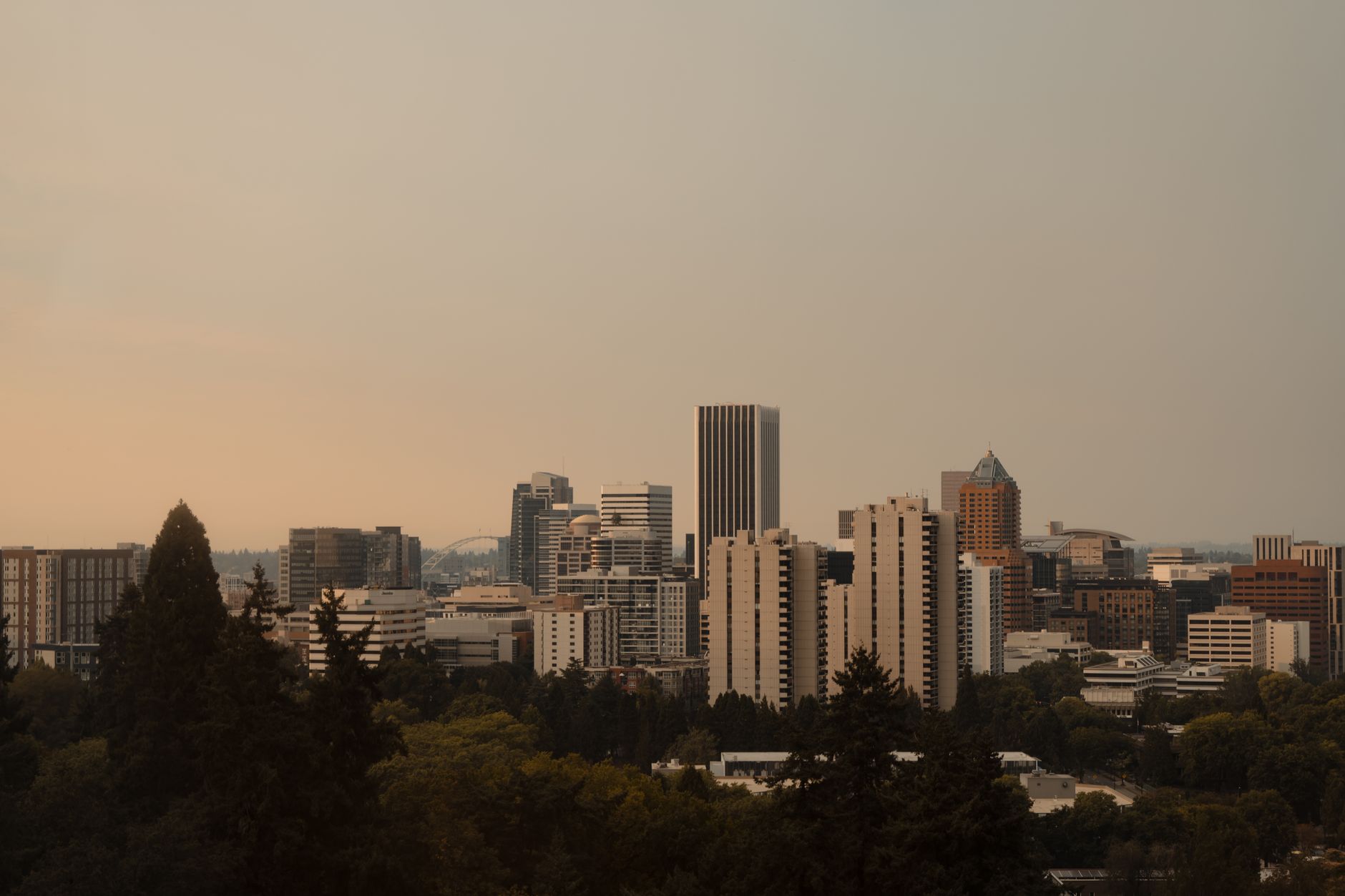
Portland, Oregon, is known for its unique blend of urban flair and natural beauty, attracting many travelers eager to experience its world-class food scene, vibrant arts community, and stunning parks. However, questions about safety have surfaced as the city faces various challenges. In this guide, we will address whether Portland is safe, offering insights into risks, safety tips, and travel advice to help you explore the city with confidence.
To make the most of your visit, it’s crucial to understand the local climate, neighborhoods, and safety considerations. Portland is a city with a reputation for being welcoming and friendly, but like any urban area, it has its challenges. Let’s dive into the critical aspects of safety, what you can expect during your stay, and how to navigate the city wisely.
Is Portland Safe?
Overall, Portland is relatively safe for tourists and residents alike, but it is vital to be aware of potential risks. Petty crime, such as pickpocketing and car break-ins, can occur, particularly in crowded areas and during large events. Understanding these risks and adopting basic safety habits can greatly enhance your experience in this laid-back city.
Understanding Portland’s Safety Landscape
Portland has much to offer, but it’s essential to be conscious of your surroundings. Here are some factors influencing safety in the city:
- Crime Statistics: Portland has witnessed fluctuations in crime rates, particularly related to property crimes. It’s wise to check local statistics and resources for the latest information.
- Neighborhood Variability: Safety can vary significantly across neighborhoods. Some areas are known for being particularly safe, while others may see higher crime rates.
- Public Perception: With recent headlines highlighting protests and unrest, some visitors may feel uneasy. However, many tourists continue to enjoy Portland without encountering issues.
Neighborhoods to Explore
Choosing the right neighborhood can enhance your experience and safety in Portland. Here are some popular areas to consider:
Downtown Portland
Known for its vibrant atmosphere, downtown is home to many attractions, shops, and restaurants. While generally safe, be cautious, especially at night. The area is lively, but petty crime can occur.
Nob Hill (Northwest District)
This neighborhood features charming streets lined with local boutiques and cafes. It’s considered one of the safer areas in Portland, making it ideal for leisurely strolls and dining.
Pearl District
Famous for its art galleries and trendy shops, the Pearl District is a popular destination for both tourists and locals. The area is well-maintained and has a low crime rate, making it a great place to explore on foot.
Alberta Arts District
Known for its street art and community vibe, the Alberta Arts District showcases Portland’s many artists. While generally safe, it’s best to stay aware of your surroundings, especially in less crowded areas.
East Portland
This area is more residential and less touristy. While it has some great parks and community events, certain parts may have higher crime rates. Research before visiting specific locations here.
Common Safety Risks
While Portland is largely safe, being aware of common risks can help you avoid unpleasant experiences. Here are the most typical risks faced by tourists:
- Petty Theft: Pickpockets and purse snatchers can be found in busy areas, especially at festivals and markets. Keep your belongings secure and be mindful of your surroundings.
- Car Break-Ins: If you are driving, avoid leaving valuables visible in your car. Park in well-lit areas and try to use public transportation where possible.
- Drug Use: Some parks and public spaces may have visible drug use. While it might not pose a direct threat, it’s best to avoid engaging with individuals exhibiting erratic behavior.
- Severe Weather: Portland’s weather can be unpredictable, especially in winter. Storms or heavy rain can lead to unsafe travel conditions; always check the forecast before heading out.
Safety Tips for Travelers
To make the most of your trip to Portland while minimizing risk, consider the following safety tips:
- Stay Informed: Familiarize yourself with the areas you plan to visit. Local news sources and tourism websites offer valuable insights into current safety conditions.
- Use Public Transportation: Portland’s TriMet system is efficient and can help you navigate the city safely. Consider using buses and light rail instead of driving.
- Keep Valuables Secure: Carry only what you need, avoid displaying expensive items, and opt for anti-theft bags or money belts.
- Be Aware of Surroundings: Stay alert, especially at night or in less populated areas. Trust your instincts—if a place feels unsafe, seek a different route or location.
- Travel in Groups: Whenever possible, explore with others. There’s safety in numbers, and it can enhance the overall experience.
- Check Local Updates: Keep an eye on city advisories, especially if you’re traveling during election periods or protests.
Transportation in Portland
Getting around Portland is relatively easy, with several transportation options available to visitors. Here are some ways to navigate the city safely:
Public Transit
TriMet offers buses and light rail services throughout the city and surrounding areas. It’s an efficient mode of transport, and most vehicles have bike racks if you are traveling with your bicycle.
Biking
Portland is known for being bike-friendly, with numerous dedicated bike lanes. Renting a bike can be a great way to explore the city, but make sure to wear a helmet and follow local traffic laws.
Walking
Many neighborhoods in Portland are pedestrian-friendly, making walking an enjoyable way to explore. Stick to well-lit streets at night and be mindful of your belongings while out and about.
Rideshares and Taxis
Services like Uber and Lyft are widely available in Portland, providing a convenient and safe transportation alternative, especially late at night or when traveling to less accessible areas.
Accommodation Safety
Choosing the right place to stay can significantly impact your safety and enjoyment. Here are some accommodation tips:
- Research Hotels: Look for hotels with good reviews regarding safety, location, and cleanliness. Websites and travel forums often provide insights into personal experiences.
- Opt for Central Locations: Staying in the downtown area or recognized neighborhoods like the Pearl District or Nob Hill can enhance both safety and accessibility to attractions.
- Check for Security Features: Look for accommodations with good security features, such as on-site staff, secure entrances, or in-room safes.
- Ask About Area Safety: Don’t hesitate to inquire about neighborhood safety when checking in. Hotel staff often have the latest insights on which areas to avoid.
What to Pack for Safety
When traveling to Portland, packing appropriately can enhance your overall safety. Here are some essentials:
- Light Jacket: Depending on the season, Portland weather can be unpredictable. A light, waterproof jacket is ideal for sudden rain.
- Comfortable Shoes: With a lot to explore on foot, comfortable shoes are a must for your adventures.
- Daypack: A small daypack can keep your essentials secure while you explore. Look for one with anti-theft features if possible.
- Portable Charger: Keep your devices charged to remain connected, which is important for navigation and communication.
- Reusable Water Bottle: Staying hydrated is crucial, especially while biking or walking around the city.
Seasonal Considerations and Travel Timing
When visiting Portland, it’s essential to consider the seasonal patterns that may affect your trip and safety:
Summer (June to September)
Summer can be the peak tourist season, offering pleasant weather for outdoor activities. However, it can also lead to larger crowds than in other seasons, increasing the risk of petty crimes. Be vigilant in busy areas.
Fall (October to November)
Autumn is a lovely time to visit, with colorful foliage and lesser crowds. Temperatures start to drop, so a good jacket is advisable. The lower number of tourists can enhance safety.
Winter (December to February)
Winter temperatures can be chilly, and rain is common, which may deter some visitors. However, it’s quieter, allowing for a more relaxed experience. Always check weather advisories if traveling during this season.
Spring (March to May)
Spring brings mild temperatures and beautiful blooms, making it an excellent time to visit. However, be prepared for rain and fluctuating weather conditions.
Local Customs and Etiquette
Understanding local customs can contribute to a safer and more enjoyable visit. Here are some tips for cultural etiquette in Portland:
- Be Respectful: Portlanders value community and respect for one another. Keep interactions polite and friendly.
- Greet Locals: A simple “hello” or smile can go a long way in fostering goodwill.
- Practice Environmental Care: Portland is a city focused on sustainability. Always dispose of waste properly and respect public spaces.
Emergency Contacts and Resources
Before traveling, familiarize yourself with local emergency contact numbers and resources:
- Emergency Services: Dial 911 for police, fire, or medical emergencies.
- Portland Police Bureau: For non-emergency issues, you can reach them at 503-823-3333.
- Portland Visitor’s Information Center: A great resource for travelers looking for assistance or local insights.
Conclusion and Next Steps
Portland is a city filled with charm and character, and while safety concerns exist, they can be effectively managed with awareness and responsible choices. By understanding the risks and following the safety tips provided, you can enjoy all that this beautiful city has to offer.
To further enhance your travel planning, explore related guides to learn more about safe travel tips and insights specific to Portland. For detailed information, visit Is Portland Safe?.