
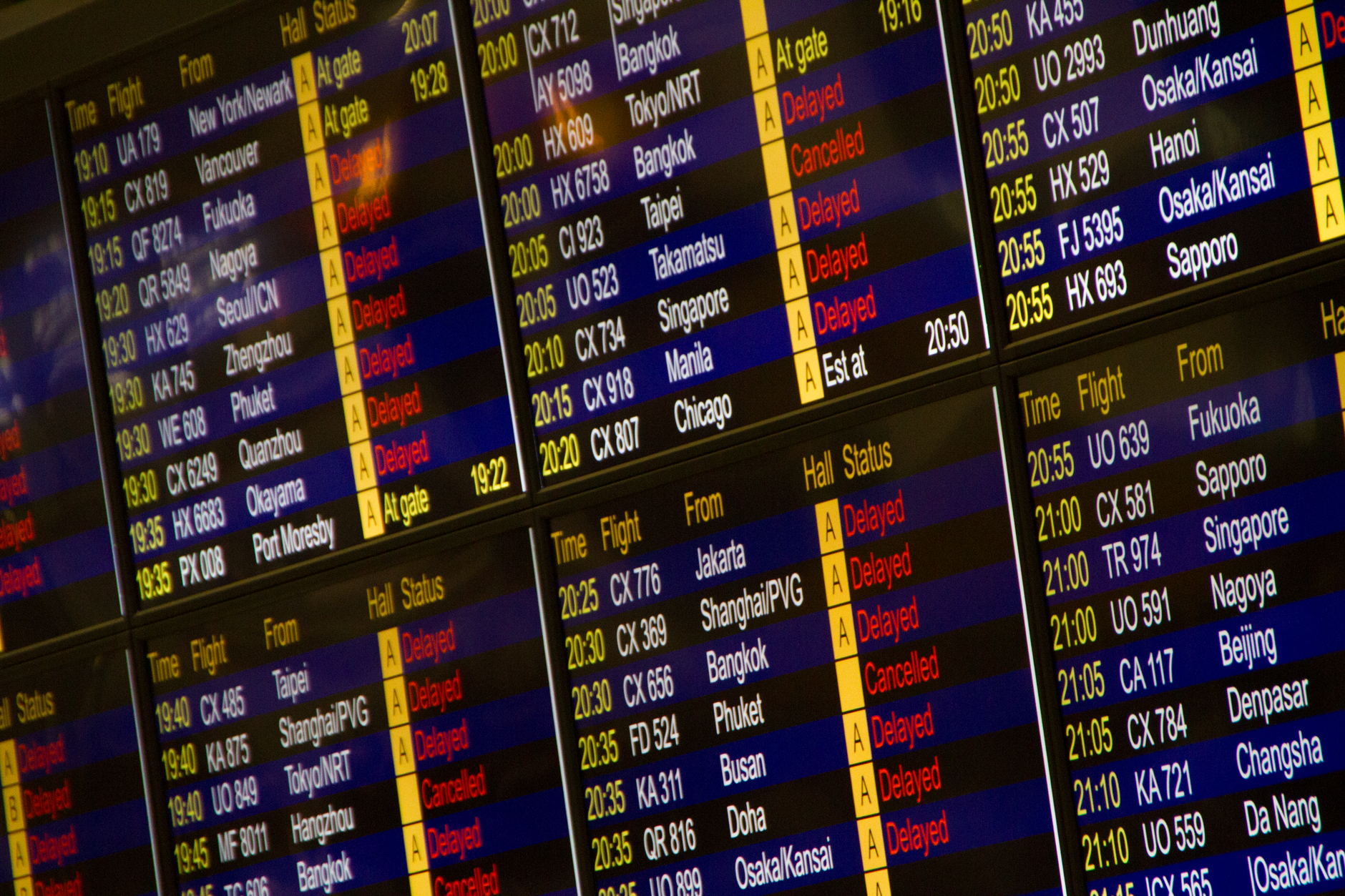
Flight delays can be a significant source of frustration for travelers, particularly those on a tight schedule. Understanding why flights get delayed can help you manage your travel plans better and ensure a smoother journey. In this article, we’ll delve into the various reasons behind flight delays and share essential travel tips to help you navigate these situations effectively.
The complexities of the global airline industry make delays a common occurrence. While weather conditions are often cited as the primary reason for flight delays, many other factors contribute to this issue, including airline policies and operational challenges. Armed with this knowledge, you can minimize inconvenience and make informed travel decisions.
Why Do Flights Get Delayed?
Flight delays can be attributed to a range of reasons, including weather, technical issues, air traffic control, and more. Understanding these factors can help you anticipate potential delays and adjust your travel plans accordingly.
Weather-Related Delays
Adverse weather conditions are among the most talked about reasons for flight delays. This can include rain, snow, fog, thunderstorms, or any severe weather that affects visibility or runway conditions. Airlines prioritize safety over scheduling, which often leads to postponements when unfavorable weather is in the forecast.
Air Traffic Control Restrictions
Air traffic control (ATC) plays a crucial role in managing the flow of air traffic to ensure the safety of all flights. Occasionally, ATC may impose restrictions due to high traffic volumes or poor weather conditions, resulting in delays. This may involve holding flights in a stack over an airport or preventing takeoffs until runway conditions are safe.
Technical Issues with Aircraft
Sometimes, an aircraft might face unexpected technical issues that require immediate attention. These problems can range from minor repairs to significant mechanical failures, causing delays as maintenance crews diagnose and resolve the issue. Additionally, the need for thorough inspections before flight can contribute to delays.
Late Incoming Flights
A domino effect can occur in aviation when a previous flight arrives late. If an aircraft arrives late, the next scheduled flight using the same aircraft may also be delayed. This is further compounded when passengers miss connections, resulting in additional logistical challenges for the airline.
Passenger-Related Delays
Passengers can inadvertently cause delays through various factors such as late arrivals, boarding issues, or medical emergencies on board. Airlines often have protocols to address these situations, but they can result in cascading delays for departing flights.
Security Delays
Heightened security measures at airports are necessary for ensuring passenger safety. However, these measures can sometimes lead to longer wait times at security checkpoints. Delays may arise if passengers do not comply with regulations, necessitating additional screening procedures.
Operational Challenges and Staffing Issues
Airlines face day-to-day operational challenges that can lead to delays. This includes understaffing due to sickness, absenteeism, or unanticipated factors. Challenges in crew scheduling, where flight crews may not be available for a scheduled departure, can also lead to delays.
Impact of Delays on Travelers
Delayed flights can cause significant disruptions to travel plans. Understanding the potential impacts can help you prepare accordingly.
Missing Connections
One of the main consequences of a delayed flight is the risk of missing connecting flights. If your primary flight is delayed, you may not have enough time to get to your next gate, which can lead to additional frustration and the need to rebook travel arrangements. Airlines typically facilitate alternatives, but securing the next available flight can take time.
Financial Implications
Flight delays can also lead to additional expenses such as last-minute accommodation, meals, and transportation if you are stranded at an airport. Check your airline’s policies on compensation for significant delays, as some may offer vouchers or reimbursements.
Impacts on Travel Plans
Beyond missed connections, delays can have a domino effect on your travel itinerary. Tours, reservations, and other planned activities may need adjustment or rescheduling, potentially leading to a stressful start to your trip.
Airline Policies Regarding Delays
Understanding your airline’s policies can help ease some of the frustration associated with flight delays. Each airline has guidelines that outline their responsibilities and the support they provide to affected travelers.
Compensation Policies
In many jurisdictions, airlines are required to compensate passengers for significant delays. However, policies vary widely, and some airlines may not offer compensation unless the delay is caused by the airline’s fault. Familiarize yourself with your airline’s compensation policies before traveling.
Rebooking Procedures
If you miss a connection, airlines typically have procedures in place for rebooking you onto the next available flight. Be sure to keep your boarding pass and confirmation email on hand, as you may need these for speedy rebooking. Some airlines allow you to manage rebooking online or through their mobile app.
Communication During Delays
Airlines are generally obligated to keep passengers informed about flight status and updates. Monitor notifications via your airline’s app, website, or customer service channels to stay updated. It’s also beneficial to sign up for real-time flight alerts when booking tickets.
Travel Tips for Handling Delays
To mitigate the impact of flight delays, consider implementing these travel tips.
Allow Extra Time
When planning your travel itinerary, always account for potential delays. Try to schedule flights that allow extra transit time between connections, especially for international travel or flights during peak seasons.
Stay Informed
Use airline apps to stay informed of flight status and potential delays. Many of these applications provide real-time updates and allow you to manage your flight plans quickly and easily.
Pack Essentials in Carry-On Luggage
Delays may require extended periods at the airport. Prepare for these scenarios by packing essential items such as snacks, medications, travel pillows, and entertainment options in your carry-on bag.
Know Your Rights
Research passenger rights regarding delays and cancellations. Understanding your entitlements, including compensation options and rebooking procedures, can help you advocate effectively in case of disruptions.
Connect with Customer Service
If a delay occurs, don’t hesitate to ask airline representatives for assistance. They can provide valuable information about alternative flights, hotel accommodations, and compensation opportunities that may not be posted online.
Stay Flexible
Having a flexible mindset can enhance your travel experience. Embrace delays as opportunities to explore the airport, enjoy dining options, or simply take some time to relax before your next flight.
Planning for Seasonal Delays
Being aware of seasonal patterns can help you minimize the likelihood of delays. Certain periods are more prone to flight disruptions, especially during extreme weather seasons.
Winter Weather
In winter, snow and ice can cause significant delays at numerous airports. If traveling during this season, be prepared for potential weather-related disruptions, and consider booking direct flights to reduce the risk of missed connections.
Summer Thunderstorms
In warmer months, thunderstorms can disrupt operations, particularly in areas prone to sudden storms. Monitoring weather forecasts and being flexible with your travel plans can mitigate issues related to delays during this season.
Holiday Travel Peak Times
Traveling during the holidays can lead to crowded airports and increased traffic. Plan well in advance and consider avoiding peak travel days if possible. Traveling on the actual holiday or at non-peak hours may reduce your risk of delays.
The Importance of Being Prepared
Preparation is fundamental to managing flight delays successfully. Understanding the reasons behind delays and the airline’s policies can empower you to handle disruptions with confidence.
Research Before You Travel
Before embarking on your journey, research your airline’s policies, including compensation for delays, and familiarize yourself with the airport layout and amenities for increased convenience during waiting periods.
Stay Connected with Travel Companions
If traveling with others, maintain communication to keep everyone informed about any changes to your itinerary. Use messaging apps to update travel companions instantly, especially if you are in transit.
Document Everything
Keep records of all communication, receipts, and essential documents related to your flight. This can support your case when seeking compensation for delays.
Dealing with Long Delays
Long delays can happen and can be particularly tough for travelers. Understanding how to handle extended waits can improve your experience.
Find a Relaxing Space
If facing prolonged delays, look for quiet areas or lounges at the airport where you can relax. Some airports offer comfortable seating, charging stations, and Wi-Fi access, making the waiting experience much more bearable.
Explore Airport Amenities
Many airports provide a variety of amenities, including shopping, dining, and entertainment options. Use the time to explore the airport’s offerings, sample local cuisine, or purchase souvenirs.
Stay Physically Active
Consider walking around the terminal to stretch your legs – this is particularly helpful during long layovers. Some airports even have walking paths or art exhibits that can make the time spent waiting more enjoyable.
Conclusion
Understanding the various reasons flight delays occur, as well as knowing how to navigate the disruption effectively, can make all the difference in your travel experience. Being prepared, staying informed, and maintaining a flexible approach are key to minimizing the stress associated with delays.
For more travel insights, check out our articles on airline policies regarding delays or how far in advance to book a flight. Planning ahead can ensure a smoother travel experience, even when delays arise.