
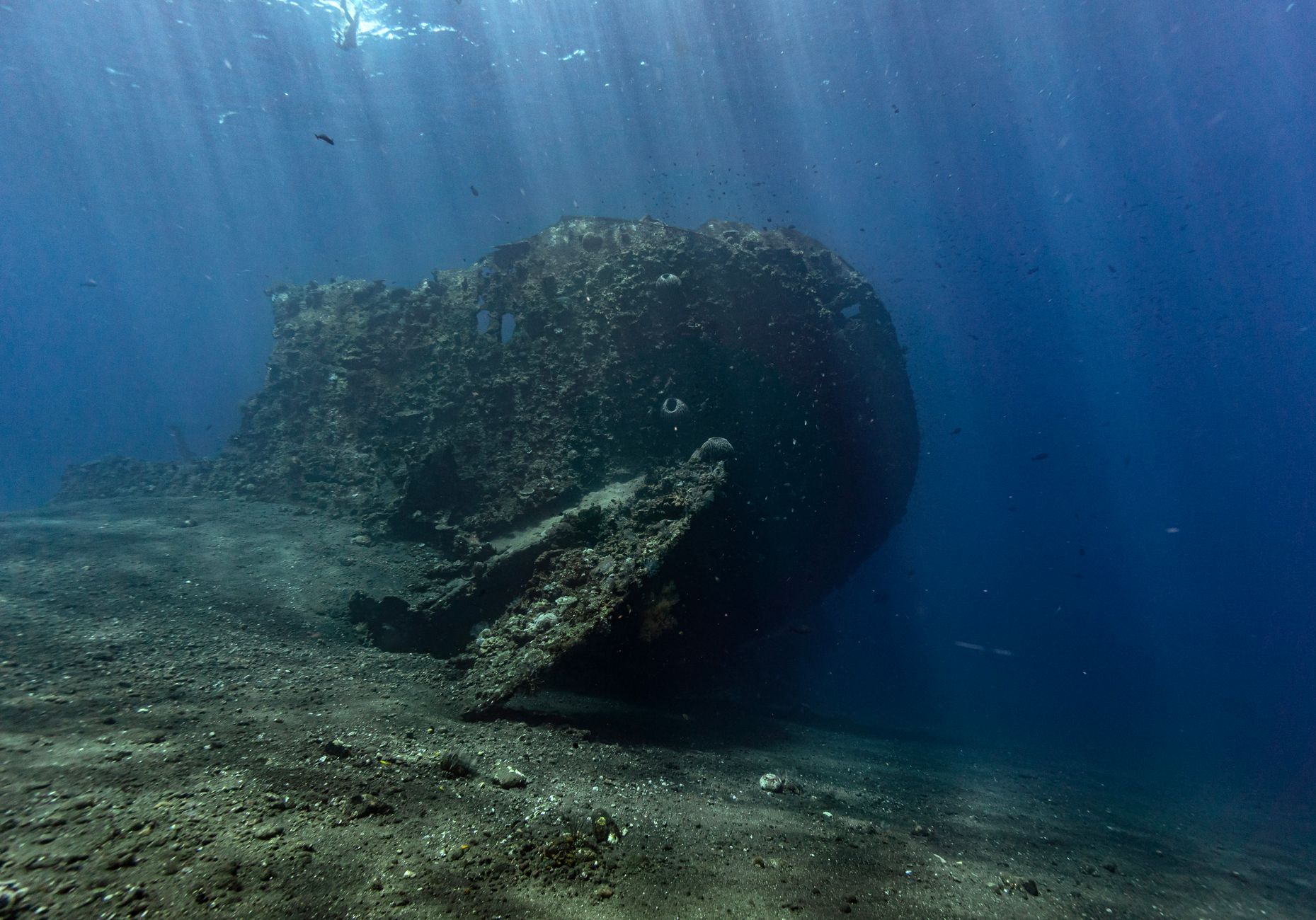
The Titanic wreck is one of the most infamous maritime disasters in history, captivating the imagination of people around the world. The location of this historic shipwreck is in the North Atlantic Ocean, about 370 miles south-southeast of Newfoundland, Canada. This article explores the wreck’s precise location, historical significance, and practical travel tips for those looking to learn more about this iconic ship and the stories that surround it.
From its tragic sinking to the ongoing explorations of its wreckage, the Titanic continues to be a topic of fascination. This guide will provide insights into where the wreck is located, how visitors can reach it through different means, and what to anticipate when planning a trip to explore the legacy of the Titanic.
Where Is the Titanic Wreck?
The Titanic wreck is located at coordinates 41°43’35” N latitude and 49°56’54” W longitude in the North Atlantic Ocean. It rests approximately 2.5 miles (about 4,000 meters) beneath the ocean surface. The exact spot is roughly 370 miles south of Newfoundland and about 1,500 miles east of New York City, making it a remote yet intriguing destination for adventurers and history enthusiasts alike.
Discovered on September 1, 1985, by Dr. Robert Ballard and his team, the Titanic’s wreck site offers a glimpse into a haunting chapter of maritime history. The ship sank during its maiden voyage from Southampton, England to New York City after colliding with an iceberg on April 15, 1912, resulting in the loss of more than 1,500 lives.
Understanding the Surroundings of the Wreck
The Titanic wreck is situated within a designated maritime zone, which has been heavily visited by researchers and explorers. The wreck site is often described as a grave site, and many who visit it do so with a sense of reverence. The surrounding waters are characterized by cold temperatures and dark depths, creating a challenging environment for exploration.
Exploring the Maritime Location
The wreck site is accessed primarily by specialized research vessels equipped with deep-sea submersibles and remotely operated vehicles (ROVs). These vessels are able to withstand intense underwater pressure and allow scientists and filmmakers to document the deteriorating condition of the Titanic as it continues to rust and collapse over time.
How to Get to the Titanic Wreck
While the Titanic wreck is not a traditional tourist destination, there are ways for adventurous travelers to experience this remarkable site. Here are a few options:
- Research Expeditions: Several companies organize research trips to the Titanic wreck site. These expeditions typically involve scientific studies and occasionally allow for passenger participation. Organizations like OceanGate offer submarine expeditions that let participants dive deep into the wreck.
- Film and Documentary Projects: Filmmakers often plan expeditions to the Titanic and may allow a limited number of participants to join for documentary purposes. These trips provide a unique opportunity to see the wreck through the lens of professional exploration.
- Educational Cruises: Some cruise operators feature themed voyages focused on the Titanic, including lectures and presentations about the ship’s history and wreck site. However, these cruises often do not go to the wreck itself, focusing instead on the broader historical context.
Planning Your Visit
Given the remote location of the Titanic wreck, planning a visit requires careful consideration and scheduling. Here are some essential points to keep in mind:
Best Time to Visit
The best time to embark on an expedition to the Titanic wreck is generally during the late spring to early fall months, which are more favorable for deep-sea exploration. Weather conditions in the North Atlantic can be unpredictable, so check forecasts and be flexible with planning.
Costs and Budgeting
Participating in a Titanic expedition can be costly. Prices for these trips vary significantly depending on the type of experience:
- Research expeditions: These can range from $50,000 to $250,000 per person depending on the depth of the involvement and the duration of the trip.
- Documentary projects: Joining a film crew may have similar costs, but opportunities may be limited.
- Educational-themed cruises: These are typically more affordable, with costs ranging from $2,000 to $10,000 per person, but remember that they don’t typically reach the wreck itself.
What to Expect
Visitors to the Titanic wreck can anticipate an awe-inspiring experience that emphasizes the significance of maritime history. Here’s what you might expect during a visit:
- Amazing Visuals: While visiting the wreck site, you’ll likely have the opportunity to observe the remains of the ship, including the bow and stern sections, which have become haunting and beautiful coral-covered artifacts.
- Atmospheric Documentation: Documentaries capturing footage of the wreck will highlight the deterioration and current state of the Titanic as well as the marine life that has over time claimed the site.
- Respect for History: Be prepared for a contemplative experience, as many visitors express reflections on the loss of life and the importance of remembering this maritime tragedy.
Cultural and Historical Context
The story of the Titanic extends far beyond the wreck itself. It has deeply influenced culture, literature, and film, making it a versatile study for history enthusiasts. Understanding the ship’s legacy can enhance your experience significantly.
The Titanic in Popular Culture
Since its launch, the Titanic has been the subject of countless books, films, and songs. The most notable representation is James Cameron’s 1997 film “Titanic,” which played a significant role in reigniting public interest in the ship’s story. Material artifacts from the ship, including personal belongings and construction plans, have been displayed in museums worldwide, further preserving its legacy.
Why Visit the Wreck?
The Titanic wreck is often viewed not just as a historical site, but as a cultural landmark that represents human ambition, hubris, and tragedy. Visiting the wreck offers a chance to connect with this pivotal moment in history, and can serve as a reminder of the importance of maritime safety and engineering in contemporary society.
Preparing for Your Titanic Expedition
If you’re considering joining an expedition to the Titanic wreck, preparation is key. Below are some important points to consider:
Packing Essentials
- Clothing: Given the chilly conditions in the North Atlantic, pack warm and layered clothing. Waterproof jackets and sturdy shoes are advisable.
- Camera Equipment: To document the fascinating scenes of the underwater environment, don’t forget your camera or go-pro, ensuring they are securely protected from water damage.
- Personal Items: Bring any necessary medications or comfort items, as remote trips can be unpredictable in terms of accessibility.
Physical Preparation
Participating in deep-sea exploration can be physically demanding. It’s wise to consult with medical professionals regarding any pre-existing conditions that might affect your ability to dive. It’s essential to be in good health and flexibility may be required, depending on the level of exploration you plan to undertake.
Researching Companies
Before signing on with an expedition company, ensure they have a strong reputation and the necessary experience in deep-sea exploration. Read reviews and verify safety protocols, as the ocean depths can present unique challenges.
Responsible Tourism Considerations
When visiting the Titanic wreck or participating in an expedition, it’s crucial to engage respectfully and responsibly. Here are some guiding principles:
- Respect the Site: The Titanic wreck is considered a grave site. Approach it with the utmost respect for those who lost their lives.
- Follow Guidelines: Always adhere to the protocols set by expedition leaders, ensuring safety and environmental preservation.
- Support Ethical Practices: Choose expedition companies that demonstrate ethical practices regarding ocean exploration and preservation of historical sites.
Alternative Experiences Related to the Titanic
If diving to the wreck isn’t feasible, there are several other experiences related to the Titanic that you can consider:
- Titanic Museums: Visit Titanic museums located in various cities including Belfast, where the ship was built, or the Titanic Museum in Pigeon Forge, Tennessee, for immersive exhibitions and historical context.
- Historical Tours: Take part in guided historical tours that detail the Titanic’s journey, its passengers, and the aftermath of its sinking.
- Documentation Films: Watch documentaries that explore the ship’s journey and the wreck itself, providing incredible insights into its legacy.
Conclusion
Exploring the location of the Titanic wreck provides a profound opportunity to connect with history and the lessons it teaches about perseverance and humility. If you’re planning a trip, remember to research thoroughly and choose a travel experience that honors the site’s memory. The Titanic is more than just a shipwreck; it’s a lasting testament to the human spirit and a reminder of the fragility of life.
For those interested in history, maritime adventures, or remarkable stories of resilience, the journey to the Titanic wreck offers something unique and unforgettable. Explore additional resources, including historical sites, documentary films, and museum exhibitions, to expand your understanding of the Titanic’s legacy and the ongoing fascination it holds for generations to come.