
Deciding where to stay in Munich can profoundly influence your experience in this exciting city. With a rich cultural scene, historical attractions, and famous festivals, Munich offers diverse neighborhoods catering to different interests and budgets.
This guide will help you navigate the best areas to stay in Munich, highlighting unique characteristics, suggested trip lengths, key attractions, and practical travel tips. Whether you’re traveling solo, as a family, or on a romantic getaway, there’s an ideal spot for you.
Where to Stay in Munich?
When considering where to stay in Munich, key neighborhoods include Altstadt-Lehel, Maxvorstadt, Glockenbachviertel, Schwabing, and Haidhausen, each offering a unique atmosphere and proximity to attractions. An ideal stay duration in Munich would be around three to four days, allowing ample time to explore.
Understanding Munich’s Neighborhoods
Munich is a city made up of various districts, each with its unique charm and offerings. Here’s a deeper look at the main neighborhoods where travelers commonly stay.
Altstadt-Lehel (Old Town)
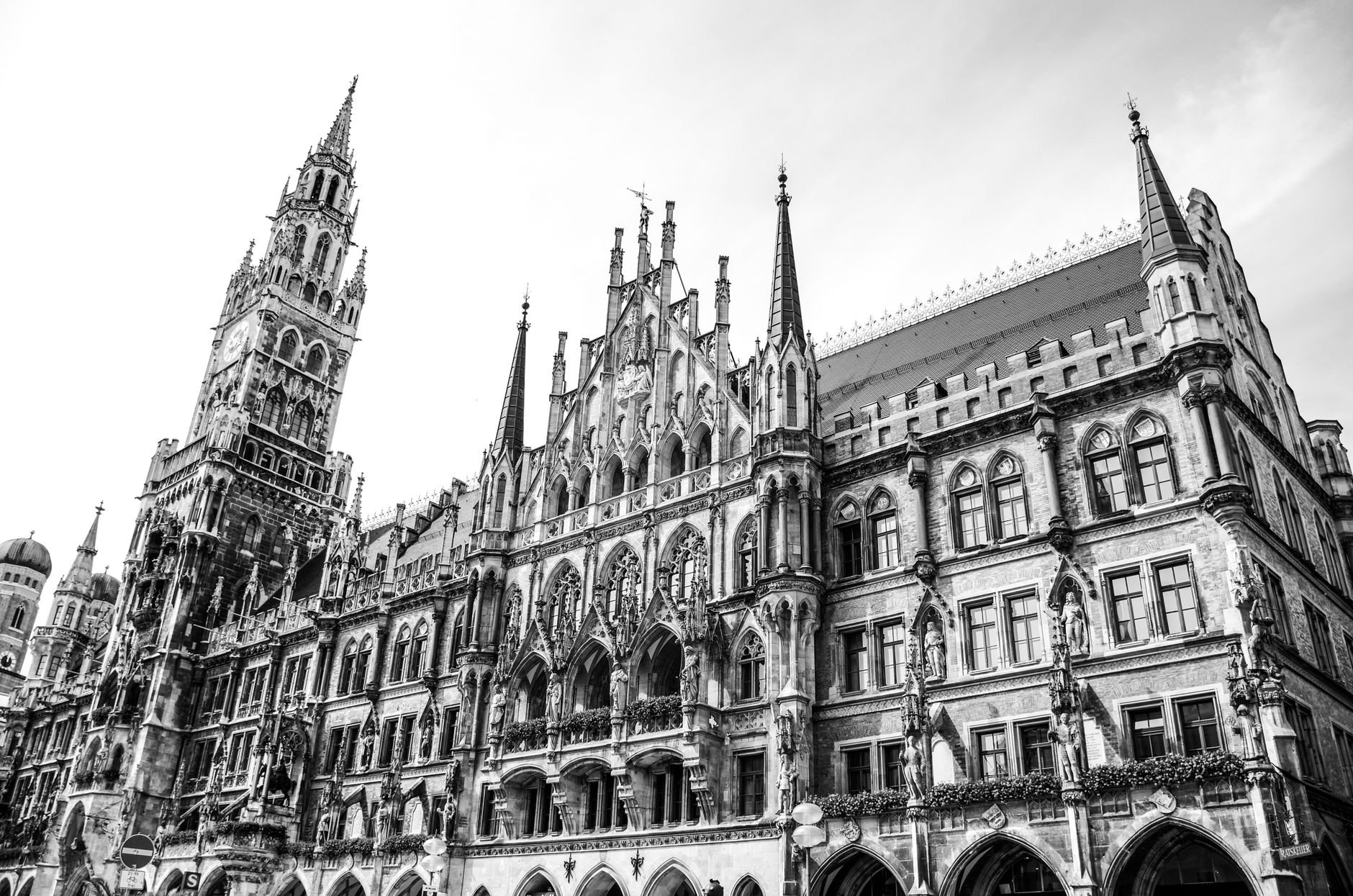
Altstadt-Lehel is the historical heart of Munich, featuring stunning architecture, museums, and lively squares. It’s perfect for those who want to be in the center of it all. Key attractions include Marienplatz, the Cathedral of Our Lady, and the Viktualienmarkt food market.
- Pros: Close to major attractions, rich historical ambiance, vibrant nightlife.
- Cons: Higher accommodation costs, tourist crowds.
Maxvorstadt
Known as Munich’s intellectual hub, Maxvorstadt is home to several universities and art galleries. For those who appreciate culture, it offers a plethora of museums like the Kunstareal and numerous cafes.
- Pros: Artistic vibe, proximity to museums, walkable streets.
- Cons: Can be busy during the school year.
Glockenbachviertel
Glockenbachviertel is one of Munich’s trendiest neighborhoods, known for its vibrant nightlife, boutique shops, and a youthful atmosphere. This area is ideal for travelers looking for a lively social scene.
- Pros: Great nightlife, diverse dining, trendy atmosphere.
- Cons: Noise levels may be high during weekends.
Schwabing
Schwabing is a more suburban area, known for its beautiful parks, quiet streets, and artistic roots. This area is perfect for families and those seeking a more relaxed stay while still being connected to the city center.
- Pros: Family-friendly, parks and green spaces, quieter atmosphere.
- Cons: Further from primary tourist attractions.
Haidhausen
Haidhausen offers a mix of traditional and modern, with quaint streets and a good selection of restaurants. It’s conveniently located near the Isar river, making it great for leisurely strolls.
- Pros: Cozy atmosphere, known for good food, less touristy.
- Cons: Limited nightlife options.
Trip Planning: Suggested Duration and Itinerary
For a comprehensive Munich experience, a three to four-day trip is recommended. This allows you to explore various neighborhoods, sample local cuisine, and visit cultural hotspots.
- Day 1: Explore Altstadt-Lehel with visits to Marienplatz and the Cathedral of Our Lady, ending with dinner at a traditional beer garden.
- Day 2: Visit the museums in Maxvorstadt, including the Kunstareal, and enjoy the local cafes.
- Day 3: Discover Schwabing’s parks in the morning and shop at boutiques in Glockenbachviertel in the evening.
- Day 4: Relax along the Isar river in Haidhausen and have a leisurely lunch at a local bistro.
Attractions and Experiences
Munich is packed with attractions that can complement your stay. Here’s a selection of must-visit sites and experiences.
- English Garden: One of the largest urban parks in the world, ideal for a relaxing day out.
- Nymphenburg Palace: A magnificent Baroque palace with sprawling gardens to explore.
- Deutsches Museum: A museum dedicated to science and technology, perfect for families and enthusiasts.
- Oktoberfest: If visiting in late September to early October, experiencing this world-renowned beer festival is a must.
Seasonal Considerations
Munich experiences four distinct seasons, influencing travel patterns. Late spring and early autumn offer pleasant temperatures and a lively atmosphere. Winter is cold, but the Christmas markets and festive spirit are captivating.
- Spring (March to May): Lush parks and pleasant weather make it ideal for outdoor activities.
- Summer (June to August): Warm weather brings tourists, particularly during festivals.
- Autumn (September to November): A beautiful time to visit, especially for Oktoberfest enthusiasts.
- Winter (December to February): Cold temperatures, but enchanting Christmas markets and winter charm.
Getting to and Around Munich
Reaching Munich is straightforward thanks to its international airport and extensive public transport system. Munich Airport (MUC) connects to the city center via trains and buses, with travel time around 40 minutes.
Public transport in Munich is efficient, including U-Bahn (subway), S-Bahn (commuter train), trams, and buses. A Munich Travel Card can be beneficial for unlimited travel in the zones.
Transport Tips:
- Purchase a Munich Card for unlimited travel and discounts at attractions.
- Consider biking as Munich is bike-friendly.
- Walking is an excellent way to explore central areas.
Where to Stay: Accommodation Options
Munich offers a wide range of accommodations from budget options to luxury hotels. Here’s a breakdown of choices that suit different needs.
Budget Hotels and Hostels
If you’re looking to save, there are budget hotels and hostels in all key neighborhoods. They often provide basic amenities with easy access to public transport.
- Hostels like Wombat’s Munich and Euro Youth Hotel offer dormitory-style and private rooms, making them budget-friendly.
- Budget hotels like Ibis Munich City North offer comfortable stays without breaking the bank.
Mid-Range Hotels
For travelers desiring more comfort, mid-range hotels provide the best balance of price and amenities.
- Hotel Laimer Hof offers easy access to Nymphenburg Palace and traditional Bavarian style.
- The 4-star Eurostars Book Hotel, located in Altstadt-Lehel, provides modern rooms and style.
Luxury Hotels
If you prefer a luxurious experience, Munich boasts several high-end hotels renowned for exceptional service and amenities.
- Bayerischer Hof is a historic hotel offering stunning views and luxurious facilities.
- The Charles Hotel is situated in the heart of Munich, offering world-class amenities.
Budget Considerations
Munich can be divided into various budget categories. Here’s how to navigate expenses while enjoying your stay.
- Accommodation: Expect to pay around €30 to €100 per night for budget accommodations, €100 to €200 for mid-range, and €200+ for luxury stays.
- Food: Street food and local eateries typically range from €5 to €15 for a meal, while mid-range restaurants might cost €20 to €40 per person.
- Transport: A single public transport ticket costs around €3, while a day pass can run approximately €7.50.
Food and Dining in Munich
Exploring local cuisine is a highlight of your trip. Munich is known for its traditional Bavarian dishes, beer gardens, and vibrant food markets.
- Bavarian Cuisine: Try Weisswurst (white sausage), pretzels, and Schnitzel at local restaurants.
- Beer Gardens: Experience Munich’s famous beer culture by visiting outdoor gardens like the Hofbräuhaus.
- Food Markets: Viktorienmarkt and Elisabethmarkt offer a taste of local products and delicacies.
Practical Travel Tips
To enhance your experience further, consider these practical travel tips.
- Learn a few basic German phrases; locals appreciate the effort.
- Be respectful of cultural norms, especially in religious places.
- Consider booking attractions in advance to avoid long queues.
Accessibility Considerations
Munich is a relatively accessible city, but it’s essential to verify accommodations and attractions for specific accessibility features. Most public transport systems are wheelchair-friendly, and many hotels cater to guests with disabilities.
- Transport options include elevators in subway stations.
- Check for step-free access in attractions like the Deutsches Museum.
Ultimately, the area you choose to stay in can significantly impact your experience in Munich. With various neighborhoods accommodating different tastes, interests, and budgets, you’ll find the perfect base to explore this vibrant city.
Now that you have a clearer understanding of where to stay in Munich, consider your interests and necessities and begin planning your stay. Whether you seek culture, history, or nightlife, Munich has a spot for you. Make sure to explore our related guides for more travel tips and destination insights.