
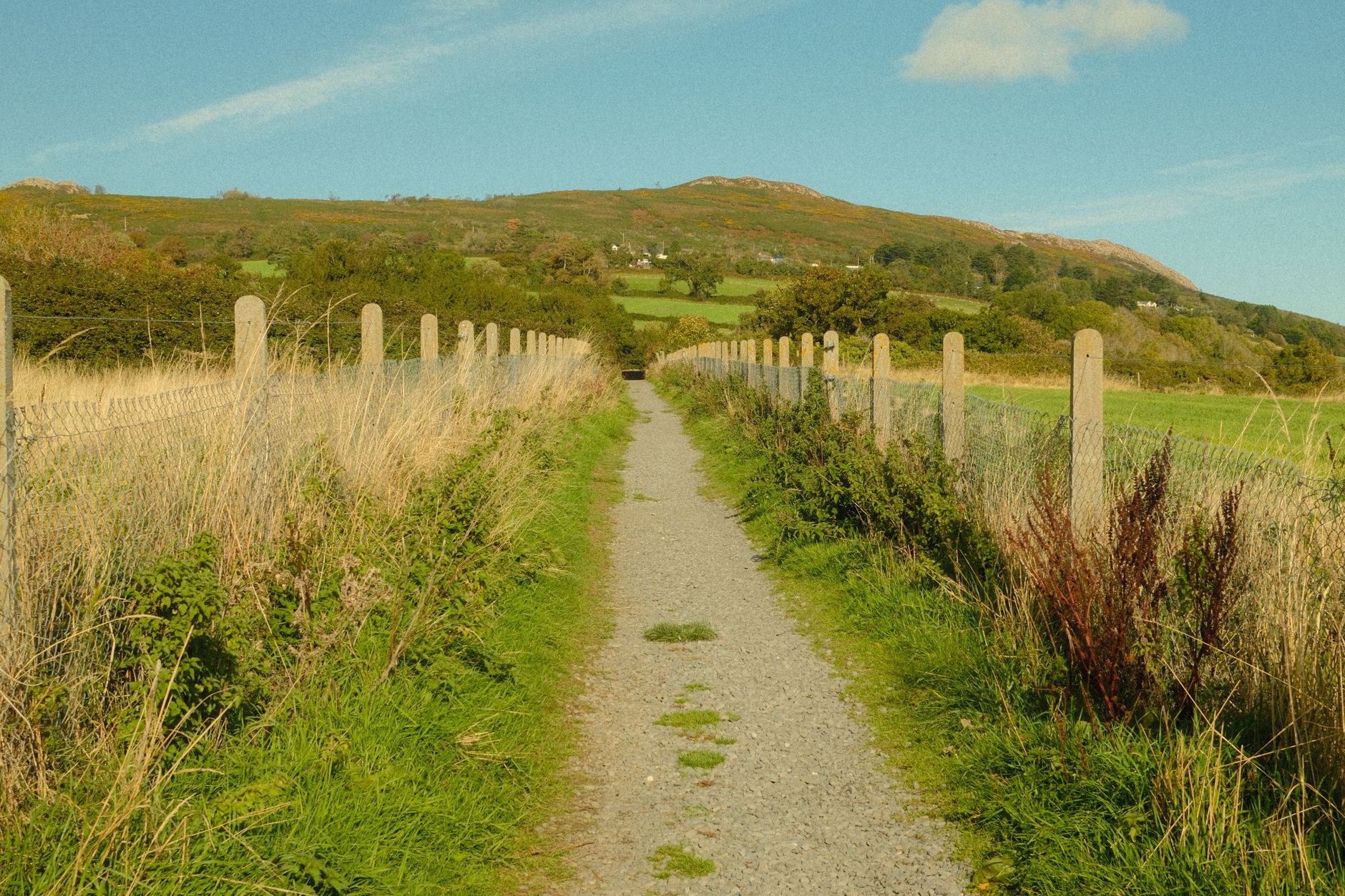
Walking across the United States is an ambitious and adventurous journey that intrigues both seasoned travelers and everyday adventurers. While the scenic views and diverse landscapes can be captivating, there are practical considerations regarding timing, planning, and logistics that you should keep in mind. This guide aims to break down how long it would realistically take to walk across the U.S., along with tips to help you plan your journey.
With about 3,000 miles stretching from the East Coast to the West Coast, the time it takes to walk across the U.S. varies based on several factors, including your walking speed, planned routes, and time spent resting. In this article, we will explore these elements in detail, helping you determine how to prepare for such an epic trek.
How Long Would It Take to Walk Across the Us?
Walking across the United States typically takes about 4 to 6 months for most walkers. This estimate is based on walking an average of 15-20 miles per day, factoring in rest days, varied terrain, and weather conditions. However, personal fitness levels, walking speed, and any unplanned detours can significantly affect the total duration.
Factors That Affect Walking Time
When considering a cross-country walk, it’s important to recognize various factors that will influence your timing:
1. Walking Speed
Your walking speed is perhaps the most significant factor. While many experienced long-distance hikers can walk 20-25 miles a day, a more average pace for beginners might be around 10-15 miles daily. Here’s a breakdown:
- Beginner pace: 10 miles/day
- Intermediate pace: 15 miles/day
- Experienced pace: 20 miles/day or more
2. Terrain and Route
Different regions of the U.S. offer varying terrains that can affect your journey. Mountainous areas, urban settings, and flat plains each present their own set of challenges. Most people choose routes that follow hiking trails or historical paths, such as:
- The Appalachian Trail
- Route 66
- The Pacific Crest Trail
- Lewis and Clark Trail
3. Weather Conditions
Weather can impact your walking conditions significantly. Summers in some regions can be brutally hot, while winters might present freezing temperatures or snow. It is crucial to plan for seasonal weather changes:
- Spring: Ideal with mild temperatures
- Summer: Hot; plan walks early in the morning or late afternoon
- Fall: Similar to spring; pleasant walking conditions
- Winter: Challenging for most, especially in northern states
4. Planned Rest Days and Activities
Walking all day, every day can lead to burnout. It’s essential to factor in rest days for recovery and to explore local attractions. Planning a day off every week or so will help maintain physical and mental stamina.
Planning Your Route
Choosing your route is a key part of planning your trek. Many walkers opt for historic routes or scenic pathways for both visual enjoyment and ease of navigation. Below are a few popular starting points and routes:
1. East to West: Boston to San Francisco
This route easily spans about 3,200 miles. Walkers may take the northern route through the Midwest or the southern route, which is more populated and may offer better accommodations.
2. South to North: Key West to Seattle
This path takes you through various climates and landscapes, providing unique experiences. The distance is similar, and you can explore different cities along the way.
3. West to East: Seattle to New York
This route typically covers approximately 2,800 miles and features national parks, mountains, and urban landscapes, allowing diversions to explore the Pacific Northwest.
4. Using Alternative Trails
Hikers may also opt for various trails such as the National Scenic Trails, which connect to diverse natural features and create scenic pathways.
Packing Essentials for Your Journey
Creating a comprehensive packing list can help ensure you’re prepared for the journey. Consider including:
- Clothing: Weather-appropriate, moisture-wicking fabrics
- Footwear: Well-fitted, durable walking shoes or boots
- Camping Gear: Tent, sleeping bag, portable stove
- Navigation Tools: Maps, GPS, compass
- First Aid Supplies: Basic first aid kit for emergencies
- Food & Water Supplies: Non-perishables and hydration systems
Budgeting for Your Walk
Planning a budget for your journey is essential. Below are some typical expenses you should account for:
1. Accommodation Costs
Depending on your route, accommodations range from camping to motels or hostels. Research free camping spots and hostels to lower your costs.
2. Food and Water
Budget for groceries, dining in local restaurants, and potential water refills. Aim to cook when possible to save money.
3. Gear and Supplies
Investing in quality gear may be costly upfront but will be beneficial in the long run. Budget for wearable items that may need replacing during the trip.
4. Transportation Costs
If you plan to take breaks in cities or states, consider transportation costs for those segments. Always plan for emergencies.
Safety and Health Considerations
Safety is paramount on long-distance treks. Here are key points to remember:
1. Stay Hydrated
Drink plenty of water throughout the day, especially in warmer climates. Carry a water filter for natural sources.
2. Maintain Energy Levels
Snacking on energy bars, nuts, and dried fruits can help keep your energy levels up.
3. Know Your Limits
Pay attention to your body. If you’re feeling fatigued, set shorter daily goals or take a rest day.
4. Emergency Preparation
Keep a portable charger and a written emergency plan. Let someone know your route and check in regularly.
A Typical Walking Day
Understanding what a typical day may look like can help improve your planning. Here’s a sample itinerary:
- 6:00 AM: Wake and pack your gear.
- 6:30 AM: Prepare breakfast and hydrate.
- 7:30 AM: Start your day with a walk.
- 12:00 PM: Break for lunch and rest.
- 1:00 PM: Resume walking; maintain your pace and hydration.
- 5:00 PM: Find a camping spot or accommodation.
- 5:30 PM: Set up camp, cook dinner, and unwind.
- 8:00 PM: Plan for the next day and rest.
Conclusion
Walking across the U.S. is a monumental undertaking that requires intensive planning and commitment. Understanding how long it may take, considering various factors, and preparing adequately can make your journey both fulfilling and enjoyable. If you decide to proceed with your walking adventure, remember to listen to your body and embrace the tremendous experiences along the way.
For further information on different travel-related topics, check out our guides on driving Route 66 or understanding how frequently to take breaks when driving long distances. Taking these steps can help further enhance your travel planning and overall experience.