
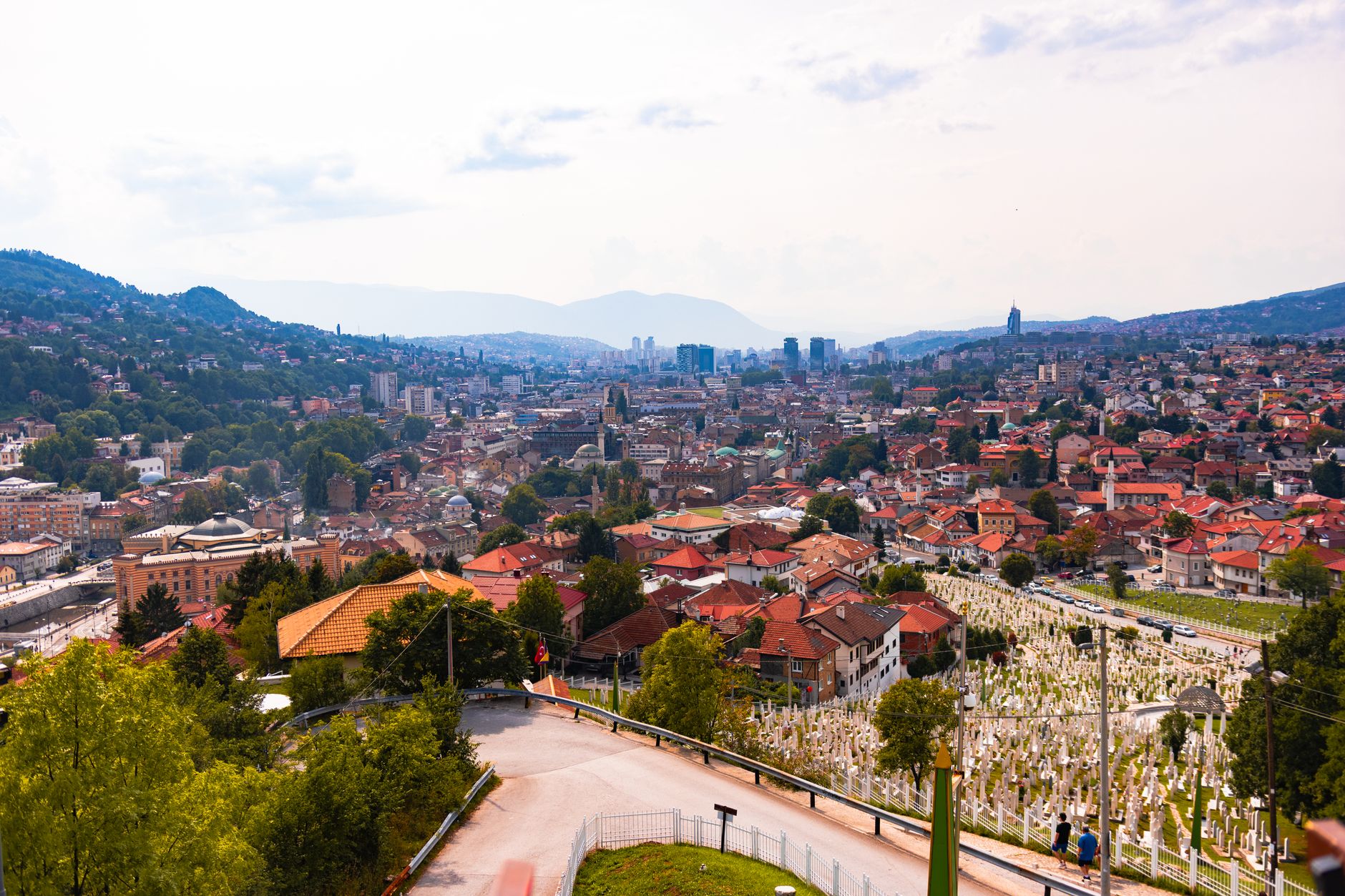
When planning a trip to Bosnia and Herzegovina, one crucial question arises: Is Bosnia safe? While many tourists flock to its stunning landscapes and rich history, safety concerns should always be addressed when traveling to a new destination. Understanding local customs, potential risks, and practical safety tips can help ensure an enjoyable visit.
This guide explores various aspects of safety in Bosnia, from enjoying its vibrant cities to navigating its breathtaking countryside. By being informed and prepared, you’ll not only minimize risks but also enhance your overall travel experience.
Is Bosnia Safe?
Overall, Bosnia is relatively safe for travelers, with low crime rates compared to many European countries. However, awareness of safety tips, potential risks, and local customs is essential. Travelers should take standard precautions and stay updated on any possible issues, especially in specific areas.
Understanding the Safety Landscape
Bosnia has made significant progress since the end of the Bosnian War in the 1990s, but remnants of past conflicts can still impact safety perceptions. Here are some factors to consider:
- Crime Rate: Crime rates, particularly violent crime, are low. However, petty theft and pickpocketing can occur in crowded areas or tourist hotspots.
- Landmines: Some areas, particularly rural regions, may still have unexploded landmines from the war. Stick to marked paths and avoid unmarked areas.
- Political Stability: The country is politically stable, but ethnic tensions can emerge. Stay informed about local news, especially regarding protests or political gatherings.
Travel Tips for Staying Safe
To maximize your safety during your visit to Bosnia, consider the following tips:
General Safety Precautions
- Stay Informed: Keep abreast of local news, travel advisories, and possible security concerns.
- Keep Personal Items Secure: Use anti-theft bags and always be aware of your surroundings, especially in crowded areas.
- Local Emergency Numbers: Familiarize yourself with local emergency contacts, including police (122), ambulance (124), and fire services (123).
Transport Safety
Traveling within Bosnia can be straightforward, but taking precautions is essential. Here are some transport safety tips:
- Use Registered Taxis: Opt for reputable taxi services or rideshare apps. Always confirm the fare before the ride.
- Public Transport Caution: Buses and trams are generally safe. Keep your belongings close and be cautious during peak hours.
- Driving Tips: Roads in cities can be congested, and rural roads may be poorly maintained. Ensure your rental car is in good condition and adhere to local driving laws.
Health and Medical Safety
Staying healthy during your trip is crucial. Here are tips to keep you healthy while traveling:
- Travel Insurance: Purchase travel insurance that covers health emergencies and unexpected cancellations.
- Water Safety: Drink bottled water, especially in rural areas, and ensure food is well-cooked and prepared hygienically.
- Vaccinations: Check with a travel health expert for recommended vaccinations for Bosnia.
Areas to Visit and Their Safety
Different regions and cities in Bosnia offer unique experiences and varying safety levels. Here’s a closer look at some popular destinations:
Sarajevo
The capital city offers rich history, culture, and delicious food. Sarajevo is generally safe, but like any city, travelers should exercise caution.
- Explore local neighborhoods like Baščaršija, but remain aware of pickpockets in crowded areas.
- Be cautious during events or protests; it’s best to stay away from large gatherings.
Mostar
Known for its stunning Stari Most (Old Bridge), Mostar is incredibly visitor-friendly, although care should be exercised near crowds.
- The best times to visit are in the spring and fall; the summer can be overcrowded.
- Watch for slippery paths near waterfalls and bridges.
Zenica
This industrial city may be less popular among tourists but has its own charm. Safety levels are comparable to larger cities.
- Visit local parks and churches but stay near the city center after dark for increased safety.
Cultural Considerations
Understanding Bosnia’s cultural nuances can significantly enhance your travel experience and safety. Here are some essential points:
- Dress Code: While Bosnia is relatively liberal, dress modestly, particularly when visiting religious sites.
- Photography Etiquette: Ask before taking photographs of people, especially in rural areas; respect local customs.
- Language: While many in tourist areas speak English, learning a few phrases in Bosnian can show respect and kindness.
Accommodation Safety
Choosing the right accommodation is vital for safety and comfort. Here are tips on where to stay in Bosnia:
Types of Accommodation
- Hotels: Opt for well-reviewed hotels or international chains in major cities.
- Guesthouses: These can provide local insight but check safety ratings and reviews beforehand.
- Hostels: Popular with younger travelers, hostels are safe when located in reputable areas.
Neighborhood Recommendations
Consider the following neighborhoods when booking your stay:
- Sarajevo City Center: Offers easy access to landmarks and restaurants, with a lively atmosphere.
- Old Town Mostar: Perfect for experiencing local culture and stunning views of the Old Bridge.
- Zenica Downtown: A convenient base for exploring the city, offering various amenities.
Transportation Options
Getting around Bosnia can be enjoyable with various options. Consider these transportation methods:
Public Transport
Bus services are extensive and are often the best way to travel between cities. Here are some key insights:
- Buses: Reliable and affordable, with connections between major cities and towns.
- Trains: Less frequent and have limited routes; check schedules in advance.
Rental Cars
Renting a car can provide flexibility to explore remote areas. Ensure:
- You have an international driving permit and understand local driving laws.
- Gas stations in rural areas may be scarce, so fuel up before long journeys.
When to Visit and Seasonal Considerations
Understanding seasonal factors can aid in planning your trip to Bosnia:
Weather
- Summer (June to August): Warm and busy; ideal for outdoor activities but can be crowded.
- Fall (September to November): Cooler temperatures and beautiful foliage; fewer tourists.
- Winter (December to February): Cold, with snow in mountains; popular for winter sports.
- Spring (March to May): Mild weather and blooming landscapes; fewer crowds and ideal for hiking.
Crowd Considerations
Traveling during off-peak seasons can result in lower accommodation prices and a more relaxed experience. Consider visiting from October to April for lower crowds in most cities.
Conclusion: Making Informed Travel Decisions
Determining whether Bosnia is safe requires awareness of various aspects like crime rates, local customs, and transportation safety. By staying informed and following safety tips, travelers can enjoy the beauty and culture of Bosnia with confidence.
Your next step should be to outline your travel itinerary and take the necessary precautions to ensure a safe journey in this remarkable country. Explore related guides to get a better sense of where to go and what to see.