
Madrid, the vibrant capital of Spain, is renowned for its rich history, stunning architecture, and diverse culture. Visitors flock to this city not only for its historical landmarks but also for its lively atmosphere and culinary delights. From expansive parks to world-class museums, Madrid offers a variety of experiences that cater to all types of travelers.
In this guide, we will explore what Madrid is known for, including its top sights, local food delicacies, and essential travel tips. Whether you’re a history buff, an art lover, a foodie, or an adventure seeker, there’s something in Madrid for everyone.
What Is Madrid Known For?
Madrid is known for its impressive historical sites, thriving culture, and gastronomical treats. The city boasts famous attractions such as the Royal Palace and the Prado Museum, alongside charming neighborhoods filled with tapas bars and outdoor plazas. Madrid’s diverse offerings make it one of the most exciting cities to visit in Europe.
Key Attractions in Madrid
Exploring the attractions is an essential part of any visit to Madrid. Here are some of the must-visit sights that showcase the city’s history and culture.
- Royal Palace of Madrid: This grand palace is the official residence of the Spanish royal family. Visitors can marvel at its grand architecture and opulent interiors, including the Royal Armory and the stunning gardens.
- Prado Museum: One of the world’s premier art galleries, the Prado Museum houses an extensive collection of European art, including masterpieces by Velázquez, Goya, and Bosch. Make sure to allocate enough time for your visit.
- Retiro Park: A tranquil oasis in the heart of the city, Retiro Park is perfect for a leisurely stroll, a rowboat ride, or simply relaxing in a beautiful setting surrounded by sculptures and gardens.
- Puerta del Sol: Often considered the center of Madrid, Puerta del Sol is a vibrant square full of activity. It’s the location of the famous “Bear and the Strawberry Tree” statue, a symbol of the city.
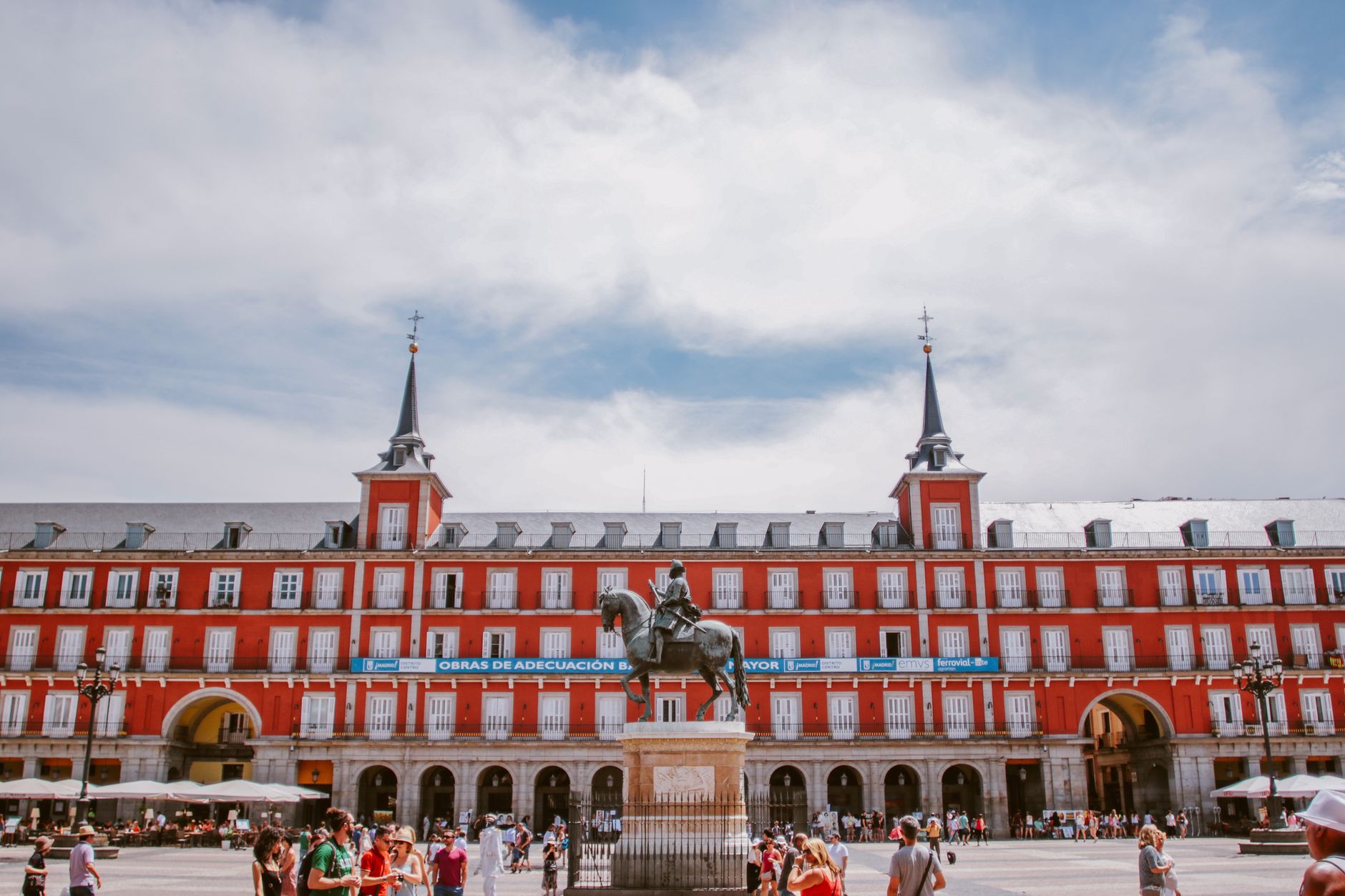
- Plaza Mayor: This majestic square is a historical heart of Madrid, lined with cafés and restaurants. It’s an ideal spot for people-watching or enjoying a meal outdoors.
- Thyssen-Bornemisza Museum: Complementing its neighboring art institutions, the Thyssen offers a varied collection that spans several centuries, making it a must-see for art enthusiasts.
- Gran Vía: Known as Madrid’s Broadway, Gran Vía is famous for its stunning architecture, shopping, and vibrant nightlife. Be sure to check out the theaters and boutiques along this bustling avenue.
Neighborhoods to Explore
Madrid is composed of several unique neighborhoods, each with its own character and charm. Here are some that you should consider exploring:
- Malasaña: A trendy area filled with eclectic shops, vibrant street art, and a plethora of dining options. It’s the ideal district for hipsters and those seeking a youthful vibe.
- Chueca: Known for its inclusivity and vibrant LGBTQ+ scene, Chueca is full of lively bars, boutiques, and fabulous eateries. The neighborhood comes to life at night, making it perfect for nightlife enthusiasts.
- La Latina: Famous for its tapas bars and vibrant Sunday flea market, La Latina is a great place to experience authentic Spanish culture. Strolling through its narrow streets, you’ll find quaint shops and hidden gems.
- Salesas: This neighborhood offers a blend of contemporary culture mixed with traditional Madrid. It is home to unique boutiques, art galleries, and charming cafés.
- Retiro: Close to the Retiro Park, this neighborhood features elegant streets and beautiful architecture. It’s quieter and a great place for families or those looking for a relaxing stay.
- Lavapiés: Known for its multicultural atmosphere, this area is filled with diverse restaurants and shops. It’s a hub for artists and performers, often hosting cultural events.
Local Cuisine and What to Eat in Madrid
No trip to Madrid is complete without indulging in its culinary delights. From tapas to traditional dishes, here are some local foods you should not miss:
- Tapas: These small plates are a cornerstone of Spanish dining. Enjoy classics like patatas bravas (fried potatoes with spicy sauce), albondigas (meatballs), and jamón ibérico (cured ham).
- Churros y Chocolate: A popular breakfast or snack, churros are deep-fried pastries served with thick hot chocolate for dipping. Look for local churrerías for an authentic experience.
- Cocido Madrileño: This hearty stew is a local favorite, made with chickpeas, various meats, and vegetables. It’s perfect for a filling lunch on a chilly day.
- Paella: Although originally from Valencia, you can find delicious variations of paella in Madrid. Seafood and mixed paella are popular choices worth trying.
- Tortilla Española: This egg-and-potato omelet is a staple in Spanish cuisine, often enjoyed as a snack or light meal. Pair it with a glass of sangría for a delightful combination.
- Croquetas: These creamy fried balls, typically filled with béchamel and ham, are another popular tapa. Each bar has its own special recipe, so be sure to sample a few!
Getting Around Madrid
Madrid has an efficient public transportation system that makes getting around the city quite convenient. Here are some options to consider during your visit:
- Metro: The Madrid Metro is one of the most extensive subway systems in the world, providing quick access to major attractions and neighborhoods. Purchase a Metro card for easier travel.
- Bus: The bus network covers areas that the metro does not, and it’s a great way to see the city above ground. Tickets can be purchased on board or at vending machines.
- Walking: Many of Madrid’s attractions are within walking distance of each other, especially in the central neighborhoods. Exploring on foot lets you soak in the city’s atmosphere.
- Bikes and Scooters: Several bike-sharing services are available, offering an eco-friendly option for getting around. E-scooters are also popular and can be rented easily via mobile apps.
Accommodation Options
Madrid has a wide variety of accommodation options to suit different budgets and preferences. Here’s a breakdown of where you might consider staying:
- Luxury Hotels: For a lavish experience, look for five-star hotels in central locations. They often provide amenities such as spas, fine dining, and stunning views.
- Mid-range Hotels: There are many comfortable mid-range hotels that offer good value. These often include breakfast and are conveniently located near public transport.
- Hostels: For budget-conscious travelers, hostels are a great option. They provide dormitory-style accommodations along with opportunities to meet other travelers.
- Airbnb: Renting an apartment can provide a home-like experience, particularly for longer stays or groups. Choose properties in local neighborhoods to experience daily life.
Best Time to Visit Madrid
The time of year you choose to visit can significantly affect your experience in Madrid. Here’s what to keep in mind:
- Spring (March to May): This is one of the best times to visit due to mild temperatures and blooming flowers. Popular events like the San Isidro Festival occur in May.
- Summer (June to August): Madrid can be quite hot during the summer months, with temperatures often exceeding 35°C (95°F). Although this is high tourist season, many locals leave the city, making it less crowded in August.
- Autumn (September to November): Another fantastic time to visit, with comfortable temperatures and fewer tourists after the summer rush. Several cultural events and festivals take place in autumn.
- Winter (December to February): While it can get chilly, winter in Madrid is also full of festive cheer, especially around Christmas when the city is beautifully lit and decorated.
Practical Travel Tips
Here are some essential travel tips to ensure a smooth and enjoyable experience in Madrid:
- Language: While many locals speak English, especially in tourist areas, learning basic Spanish phrases can enhance your experience.
- Local Currency: The currency used in Madrid is the Euro (EUR). It’s recommended to have some cash on hand for small purchases, although credit cards are widely accepted.
- Siesta Hours: Many shops and restaurants may close for siesta, typically between 2:00 PM and 5:00 PM. Plan your day accordingly to avoid disappointment.
- Safety: Madrid is generally safe, but like any large city, be cautious of pickpockets, especially in crowded areas and tourist spots.
- Public Transportation Pass: Consider purchasing a tourist pass for unlimited access to public transportation, which can save you money and time during your stay.
Exploring Beyond Madrid
If you have extra time, consider taking day trips from Madrid to nearby destinations:
- Toledo: Just a short train ride away, Toledo is famous for its medieval architecture and rich history.
- El Escorial: This stunning royal monastery offers a glimpse into Spanish history and impressive architecture, about an hour from the city.
- Segovia: Known for its Roman aqueduct and fairytale castle, Segovia is also reachable by train and makes for a wonderful day trip.
Madrid provides a unique blend of culture, history, and modern amenities that caters to all types of travelers. Whether you’re drawn to its captivating museums, delightful dining, or simply its lively atmosphere, this city has something to offer everyone.
For your next travel adventure, consider exploring Madrid’s top sights, savoring its local cuisine, and immersing yourself in its culture. You’ll find that the city’s charm and vibrancy will leave you longing to return.
For more insights on traveling in Spain, check out our guide on Barcelona trips to plan your next adventure! Discover more destinations that you can explore nearby to enhance your travel experience.