
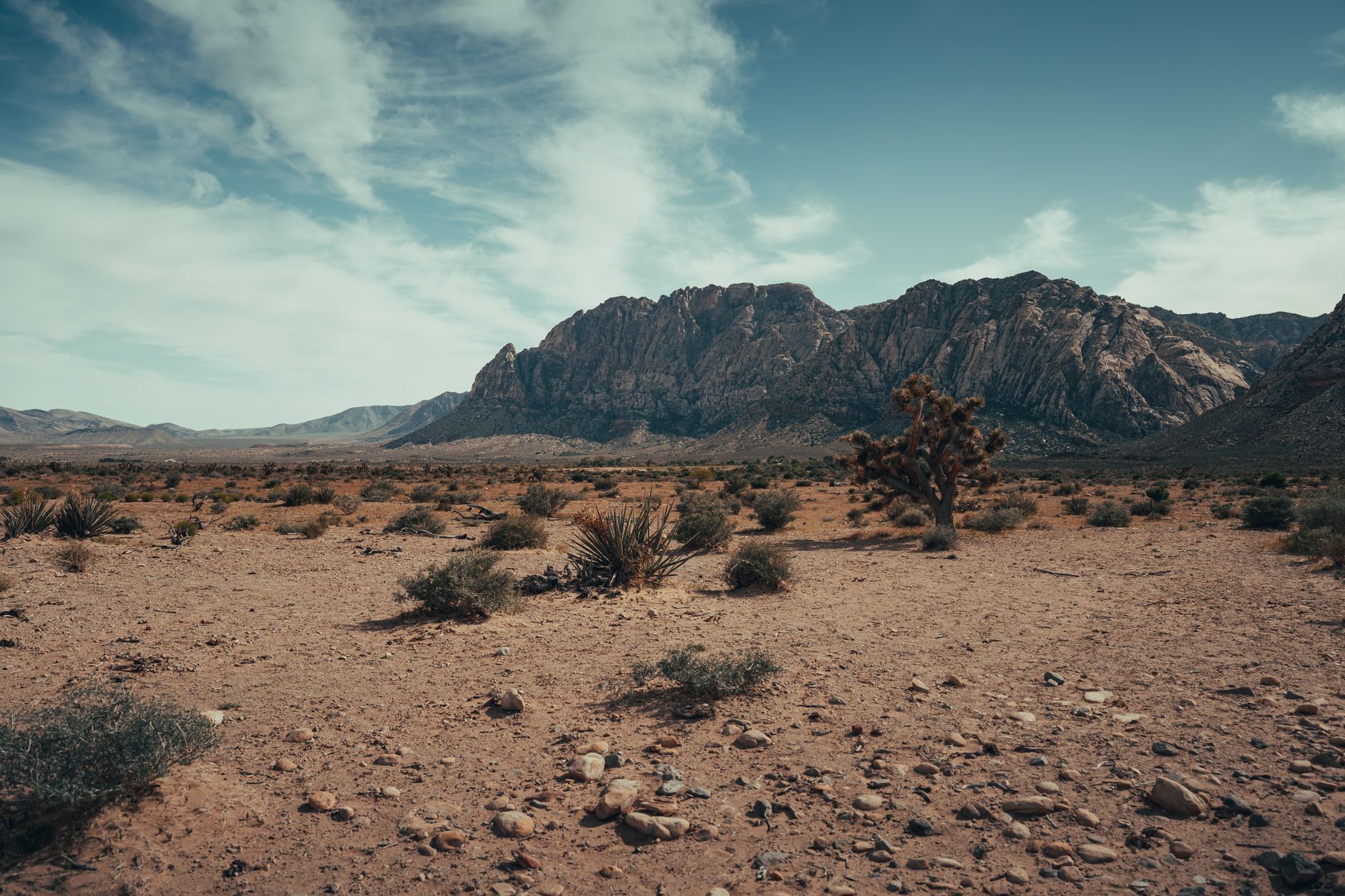
The Mojave Desert is a unique and captivating landscape that offers a stunning mix of natural beauty, outdoor adventures, and rich cultural history. Spanning across parts of California, Nevada, Utah, and Arizona, it is home to iconic landmarks, vibrant wildlife, and outdoor activities galore. Planning a trip to the Mojave Desert? This guide covers everything you need to know about its location, maps, attractions, and travel tips.
The Mojave Desert, known for its vast sandy expanses, rugged mountains, and striking geological formations, is one of North America’s most famous deserts. Its geographical boundaries and diverse ecosystems make it a must-visit for those seeking an adventure or a break from city life.
Where Is Mojave Desert?
The Mojave Desert is primarily located in southeastern California, occupying parts of the counties of San Bernardino, Inyo, and Kern. It also extends into Nevada, Utah, and Arizona. Major cities close to the Mojave Desert include Las Vegas in Nevada and Los Angeles in California, making it a conveniently accessible destination for travelers. The desert is defined by its characteristic high desert terrain, characterized by its elevation of around 2,000 feet (600 meters) above sea level and is bordered by the Sierra Nevada mountain range to the west and the Colorado Plateau to the east.
Map of Mojave Desert
Familiarizing yourself with the landscape is essential for exploring the Mojave Desert. Various maps and digital resources can show you the key locations, attractions, and routes. Here are some key features to look for on a map of the Mojave Desert:
- Death Valley National Park: Located at the northwestern edge of the Mojave Desert, it is one of the hottest and driest places in North America.
- Mojave National Preserve: Encompassing over 1.6 million acres, this area is known for its diverse wildlife, Joshua trees, and the historic Kelso Dunes.
- Joshua Tree National Park: Just outside the Mojave Desert range, this park showcases unique desert flora, rock formations, and popular hiking trails.
- Route 66: This iconic highway runs through part of the Mojave Desert, providing access to many roadside attractions.
- The California High Desert: This section of the Mojave features towns like Barstow and Ridgecrest, which serve as gateways to the desert.
What Makes Mojave Desert Unique?
The Mojave Desert is distinct not only for its breathtaking landscapes but also for its remarkable biodiversity and cultural history. Here are some features that set it apart:
- Geological Diversity: The Mojave contains unique rock formations, such as the Cima Dome and Kelso Dunes, formed by volcanic activity and erosion.
- Flora and Fauna: Home to a variety of plants, including the iconic Joshua tree, as well as animals like desert tortoises, bighorn sheep, and various bird species.
- Cultural Heritage: The desert has a rich history, with Native American tribes such as the Mojave and Chemehuevi inhabiting the region for thousands of years, as well as historic mining towns from the gold rush.
- Climate: Known for its extreme temperatures, the Mojave experiences hot summers and mild winters, making it a fascinating place for climate enthusiasts.
Best Time to Visit the Mojave Desert
The most suitable time for exploring the Mojave Desert is during the fall and spring months, from October to November and March to May. During these months, the weather is typically mild with less extreme temperatures, ideal for outdoor activities. Summer can be dangerously hot, often exceeding 120°F (49°C), while winter can bring chilly nights.
How to Get to the Mojave Desert
Driving to the Mojave Desert
Many travelers opt to drive to the Mojave Desert, given its proximity to major highways. Here are some key routes:
- From Los Angeles: Take the I-15 N highway toward Barstow, and then head east on CA-58 to enter the Mojave region.
- From Las Vegas: Take the I-15 S toward California and exit toward CA-127 N to enter Death Valley or the surrounding areas.
- From Phoenix: Head west on I-10 and then take CA-62 N to reach the Mojave Desert.
Public Transport Options
While public transportation options are limited in the Mojave Desert, some services connect major cities to nearby towns. Greyhound buses travel to Barstow and other nearby areas. However, renting a car is highly recommended for optimal mobility and access to attractions.
Air Travel
The nearest airports to the Mojave Desert include:
- Las Vegas McCarran International Airport (LAS): Approximately 2.5 hours from the desert.
- Ontario International Airport (ONT): About a 1.5-hour drive to the desert.
- Bakersfield Meadows Field Airport (BFL): Around a 2-hour drive, providing access to the northern Mojave areas.
Where to Stay in the Mojave Desert
Accommodations in and around the Mojave Desert vary widely based on budget and experience. Here are some options to consider:
Hotels and Resorts
For a more comfortable stay, consider hotels in nearby towns:
- New York, New York Hotel in Las Vegas: A thematic hotel providing a unique experience before venturing into the desert.
- Baker’s Motel: Located in Baker, this motel is conveniently close to the entrance of Death Valley National Park.
- Best Western Desert Winds: Located in California City, offering easy access to various attractions and services.
Campsites
Camping is a fantastic way to experience the Mojave Desert up close:
- Mojave National Preserve Campgrounds: Numerous campgrounds are available, such as Hole-in-the-Wall Campground and Black Canyon Campground.
- Death Valley National Park Campgrounds: Options include Furnace Creek Campground and Mesquite Spring Campground.
- Joshua Tree National Park Campgrounds: Hidden Valley, Jumbo Rocks, and other sites are popular for campers.
Top Attractions in the Mojave Desert
There are countless attractions in the Mojave Desert. Here are some not-to-miss highlights:
National Parks and Preserves
- Death Valley National Park: Explore the stunning Badwater Basin, Furnace Creek, and the vibrant Artist’s Palette.
- Mojave National Preserve: Home to beautiful Joshua trees, the Kelso Dunes, and the historic Kelso Depot.
- Joshua Tree National Park: Famous for its unique rock formations, ideal for rock climbing, and offering scenic hiking trails.
Historic Sites and Landmarks
- Kelso Dunes: Tall sand dunes providing excellent hiking opportunities and spectacular views.
- Route 66: Travel along the historic highway and explore quirky roadside attractions and small towns.
- Goldfield Ghost Town: Visit this historic site to experience what life was like during the gold rush.
Outdoor Activities
- Hiking: With numerous trails, popular spots include the Golden Canyon, Telescope Peak, and Ryan Mountain Trails.
- Rock Climbing: Joshua Tree is a world-renowned rock climbing destination catering to various skill levels.
- Photography: Capture breathtaking sunsets, starry nights, and stunning landscapes throughout the desert.
What to Pack for the Mojave Desert
Planning on a trip to the Mojave Desert? Packing wisely is crucial for a comfortable and enjoyable experience. Here’s a recommended packing list:
Essential Gear
- Sturdy hiking shoes or boots
- Sun protection (sunscreen, wide-brimmed hat, sunglasses)
- Lightweight, breathable clothing suitable for desert temperatures
- Water bottles or hydration packs (important for staying hydrated)
- First-aid kit
Optional Items
- Camping gear (tent, sleeping bag, portable stove)
- Binoculars for wildlife viewing
- Photography equipment (camera, tripod)
- Trail maps and compass or GPS device
- Personal entertainment (books, music, games)
Budget Considerations
Traveling to the Mojave Desert can be affordable, but planning ahead helps manage your budget. Here are some factors to consider:
- Accommodation Costs: Budget motels may range from $50 to $150 per night, while campsites usually charge about $10 to $40 per night.
- Entrance Fees: Most national parks require entrance fees, typically around $30 per vehicle valid for seven days.
- Food Expenses: Dining costs can vary widely. Expect to spend between $10 and $30 on meals at local diners or fast food.
Safety Tips for Visiting the Mojave Desert
While the Mojave Desert offers many adventures, safety should always be a priority. Keep these tips in mind:
- Stay hydrated and carry sufficient water during outdoor activities.
- Be aware of wildlife and keep a safe distance.
- Check weather conditions and be prepared for sudden temperature changes.
- Always inform someone about your travel itinerary and keep your phone charged.
Conclusion
The Mojave Desert is a stunning destination that offers a blend of natural beauty, cultural history, and adventurous experiences. With careful planning and preparation, you will undoubtedly enjoy exploring its unique landscapes. Remember to respect the environment and those who have come before you, from the ancient tribes to modern adventurers.
If you’re interested in exploring more travel resources, consider checking out our guides for helpful itineraries and tips on various destinations that match your travel interests and preferences.