
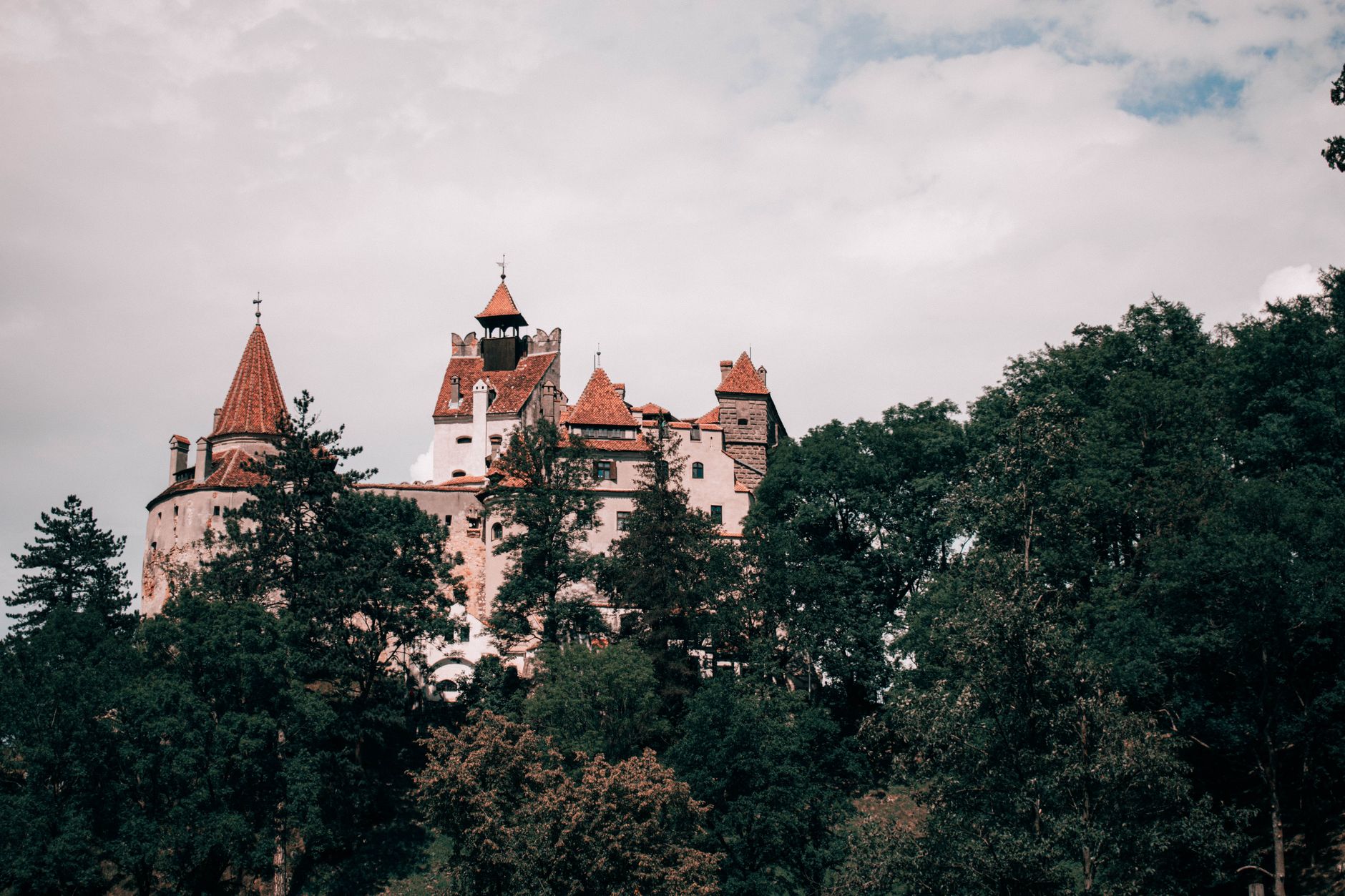
Romania is a fascinating Eastern European country that captivates travelers with its stunning landscapes, rich history, and diverse culture. Known for castles, medieval towns, and scenic mountains, it offers an array of experiences for various types of visitors. Whether you are an adventure seeker, a history buff, or a food enthusiast, Romania has something unique to offer.
From the iconic Transylvania region and its legendary vampire lore to the vibrant capital city of Bucharest, travelers can immerse themselves in Romania’s beauty and charm. This guide explores what Romania is known for, highlighting top sights, delicious food, and practical travel tips to help plan your visit.
What Is Romania Known For?
Romania is known for its breathtaking landscapes, rich traditions, and historical landmarks, including castles and fortified churches. Key attractions include the Carpathian Mountains, Transylvania, and the Danube River. The nation is also recognized for its delicious cuisine, warm hospitality, and vibrant folk culture.
Cultural Heritage and Historical Sites
Romania’s culture is a blend of influences from various civilizations that have traversed its lands. Here are some notable cultural attractions worth exploring:
- Bran Castle – Often referred to as “Dracula’s Castle,” this iconic fortress is situated near the town of Brașov. While its association with Bram Stoker’s Dracula is largely myth, Bran Castle’s gothic architecture and historical significance make it a popular destination.
- Peleș Castle – Located in Sinaia, this neo-Renaissance castle is known for its stunning architecture and lush gardens. It served as a royal residence for King Carol I and is now a museum showcasing royal artifacts.
- Corvin Castle – One of the largest castles in Europe, located in Hunedoara, Corvin Castle features impressive gothic architecture and serves as a key historical site, dating back to the 14th century.
- The Palace of the Parliament – Situated in Bucharest, this colossal building is the second-largest administrative building in the world. A guided tour offers insight into Romania’s communist era and its architectural splendor.
- Sighişoara – A UNESCO World Heritage Site, this charming medieval town is known as the birthplace of Vlad the Impaler. Its cobblestone streets, colorful buildings, and fortified towers make it a delightful destination.
Natural Wonders
Romania’s diverse landscapes, from mountains to valleys and rivers, provide ample opportunities for outdoor adventure. Consider these natural highlights:
- The Carpathian Mountains – Perfect for hiking and skiing, the Carpathians are home to various trails, wildlife, and stunning vistas. The Bucegi Mountains and Făgăraș Mountains offer scenic routes for nature lovers.
- The Danube Delta – A UNESCO Biosphere Reserve, the Danube Delta features a unique ecosystem with diverse flora and fauna. Perfect for birdwatching and boating, it’s a haven for nature enthusiasts.
- Transfăgărășan Highway – Known as one of the most scenic drives in the world, this road stretches through the Făgăraș Mountains, offering breathtaking views and access to various hiking trails and lakes.
- Lake Bled – While technically in Slovenia, its proximity to Romania makes it a popular excursion for those exploring Central and Eastern Europe. The picturesque lake and its island church are captivating.
Delicious Romanian Cuisine
Romanian cuisine is a delightful fusion of influences, showcasing fresh ingredients and hearty flavors. Here are some traditional dishes to try:
- Sarmale – Cabbage rolls filled with pork and rice, often served with sour cream. It’s a staple during festive occasions and family gatherings.
- Mămăligă – A cornmeal porridge similar to polenta, typically served as a side dish. It pairs well with cheese, meats, and sour cream, providing a comforting taste of Romanian tradition.
- Coaste la cuptor – Oven-baked pork ribs, seasoned and slow-cooked for tenderness. The dish is often accompanied by fried potatoes and salad.
- Papanasi – A traditional dessert made from fried cheese dough, typically served with sour cream and fruit preserves—a must-try for those with a sweet tooth.
- Covrigi – Romanian pretzels, often sold by street vendors. They come with various toppings, making for a quick and delicious snack.
Travel Tips for Exploring Romania
Planning a trip to Romania can be rewarding, but it helps to know a few key details to enhance your experience:
Best Time to Visit
Romania experiences four distinct seasons, each offering a unique experience:
- Spring (March to May) – Ideal for witnessing blooming landscapes and enjoying mild temperatures. Great for outdoor activities and exploring cities.
- Summer (June to August) – Warm weather and various festivals, but also higher tourist crowds. Consider visiting the coastal area of the Black Sea for a beach vacation.
- Autumn (September to November) – An excellent time for hiking and enjoying fall foliage. Temperatures remain pleasant, and fewer tourists visit at this time.
- Winter (December to February) – Perfect for engaging in winter sports in the Carpathians or experiencing Christmas markets in cities. However, be prepared for cold weather.
Getting Around Romania
Transportation options are quite diverse in Romania, making it easy to explore various regions:
- Public Transport – Romania has an extensive train network connecting major cities. Trains are relatively cheap and an efficient way to travel. Buses also serve more remote areas.
- Car Rentals – Renting a car offers maximum flexibility, especially when exploring rural areas or mountainous regions. Ensure you have an international driving permit and understand local driving rules.
- Taxis and Rideshares – In urban areas, taxis are widely available, and rideshare apps are also an option for quick commutes.
Accommodation Options
Romania offers various accommodation types to suit different budgets and preferences:
- Hotels – Cities like Bucharest and Brașov feature a range of hotels from budget to luxury. It’s advisable to book in advance during peak seasons.
- Pensions and Guesthouses – For a more local experience, consider staying in family-run pensions, especially in rural areas and small towns.
- Hostels – Affordable options cater to budget travelers, offering dormitory-style accommodations and communal areas for social interaction.
Cultural Etiquette
Understanding local customs can enhance your travel experience:
- Greetings – A handshake is a common greeting. Feel free to use “Bună” for “Hello” and “Mulțumesc” for “Thank you.”
- Dining Etiquette – Try to wait for the host to start the meal, and it’s customary to say “Poftă bună” (Enjoy your meal) before you begin eating.
- Respecting Tradition – Romania is rich in traditions and customs; always approach cultural sites and local practices with respect.
Festivals and Events
Experiencing local festivals is an excellent way to immerse yourself in Romanian culture. Some notable events include:
- George Enescu Festival – Held in September, this classical music festival showcases international and local talent, hosted in Bucharest and other cities.
- National Day – Celebrated on December 1st, Romania’s National Day features parades, concerts, and fireworks throughout the country.
- Traditional Harvest Festivals – These events showcase local cuisine, crafts, and folk music, providing a genuine glimpse into Romanian culture.
Shopping in Romania
Romania offers diverse shopping experiences, where you can find traditional handicrafts, modern apparel, and unique souvenirs:
- Souvenirs – Look for handcrafted items such as pottery, wooden crafts, and traditional textiles or embroidery.
- Local Markets – Explore markets in cities like Sibiu or Bucharest for fresh produce, local delicacies, and artisan goods.
- Shopping Centers – Larger cities have modern shopping malls with international brands, giving you options for contemporary shopping.
Language and Communication
The official language of Romania is Romanian, a Romance language. While many Romanians, especially in urban areas, speak some English, learning a few basic phrases can enhance your interaction:
- Bună – Hello
- La revedere – Goodbye
- Vă rog – Please
- Mulțumesc – Thank you
Essential Packing Tips
Depending on the season and activities planned, here are some packing essentials:
- Clothing – Layered clothing for variable temperatures, comfortable walking shoes, and formal attire if attending special events.
- Outdoor Gear – If hiking or skiing, pack appropriate gear, including a waterproof jacket and sturdy boots.
- Adapters – Romania uses type C and type F power plugs, so ensure you have the right adapters for your electronics.
- Travel Essentials – Basic first-aid kit, reusable water bottle, and any personal medications you may need.
Conclusion
Romania is a country teeming with history, culture, and natural beauty. From picturesque castles to vibrant cities, the experiences here are endless and diverse. With this guide in hand, you can now confidently explore Romania, savor its delicious cuisine, and enjoy its warm hospitality.
For your next travel planning, consider exploring related destination guides, itineraries, or travel-planning tips to enhance your journey further.