
The Seven Wonders of the World represent an extraordinary blend of human ingenuity, grand architecture, and significant historical importance. These wonders, whether ancient or modern, beckon travelers from all corners of the globe, offering glimpses into the rich tapestries of human culture and engineering prowess. In this guide, we will explore what these wonders are, their historical contexts, and practical travel advice for visiting them.
Understanding the Seven Wonders can enhance your global travels and provide a sense of connection to past civilizations. The destinations often feature stunning landscapes, captivating stories, and vibrant cultures that enrich the travel experience. Let’s delve into the details about each of the Seven Wonders, both ancient and modern, and discover what travelers need to know.
What Are The Seven Wonders?
The term “Seven Wonders” has been used in various contexts throughout history. However, it mainly refers to two distinct lists: the Seven Wonders of the Ancient World and the New Seven Wonders of the World. The original seven were remarkable constructions of classical antiquity, while the new wonders highlight contemporary global achievements.
The Seven Wonders of the Ancient World
This list comprises remarkable constructions known to the ancient Greeks. The wonders celebrated the architectural and artistic achievements of their time. Unfortunately, only one of these wonders remains largely intact today.
- The Great Pyramid of Giza (Egypt) – Constructed around 2580-2560 BC, this incredible monument served as a tomb for the Pharaoh Khufu. It is the only surviving structure from the original list and showcases extraordinary engineering skills.
- The Hanging Gardens of Babylon (Iraq) – Said to be an extraordinary series of tiered gardens, their existence remains a subject of debate. Ancient accounts describe them as a marvel of irrigation and garden design.
- The Statue of Zeus at Olympia (Greece) – This massive statue of the king of the Greek gods was created by the sculptor Phidias around 435 BC. Although it no longer exists, it was renowned for its elaborate craftsmanship.
- The Temple of Artemis at Ephesus (Turkey) – Dedicated to the goddess Artemis, this temple was known for its majestic design and adorned sculptures, attracting pilgrims from far and wide.
- The Mausoleum at Halicarnassus (Turkey) – Built as a tomb for Mausolus, this structure was celebrated for its grandeur and intricate artistic elements that blended Greek, Egyptian, and Lycian styles.
- The Colossus of Rhodes (Greece) – This giant statue commemorated the sun god Helios and stood at the entrance of the harbor of Rhodes. It was considered a testament to both art and engineering.
- The Lighthouse of Alexandria (Egypt) – Also known as the Pharos of Alexandria, this ancient lighthouse was considered one of the tallest man-made structures of the ancient world.
The New Seven Wonders of the World
In 2007, the New7Wonders Foundation initiated a global poll to establish a new set of wonders. The list highlights sites recognized for their cultural significance and architectural brilliance.
- The Great Wall of China (China) – Stretching over 13,000 miles, this historic wall was built to protect Chinese states from invasions. It offers stunning views and a glimpse into China’s extensive history.
- Petra (Jordan) – Often referred to as the “Rose City,” Petra is famous for its rock-cut architecture and water conduit system. This ancient city was the capital of the Nabataean Kingdom.
- The Christ the Redeemer (Brazil) – This iconic statue in Rio de Janeiro stands at 98 feet tall and offers breathtaking panoramic views of the city while symbolizing peace and openness.
- The Colosseum (Italy) – An ancient amphitheater in Rome, the Colosseum is an architectural masterpiece known for its grand design and history as a venue for public spectacles.
- The Chichen Itza (Mexico) – This archaeological site is known for its unique Mayan mythology and impressive structures like the Pyramid of Kukulcan.
- The Taj Mahal (India) – A UNESCO World Heritage site, the Taj Mahal is a stunning mausoleum built by Emperor Shah Jahan in memory of his wife, showcasing exquisite Mughal architecture.
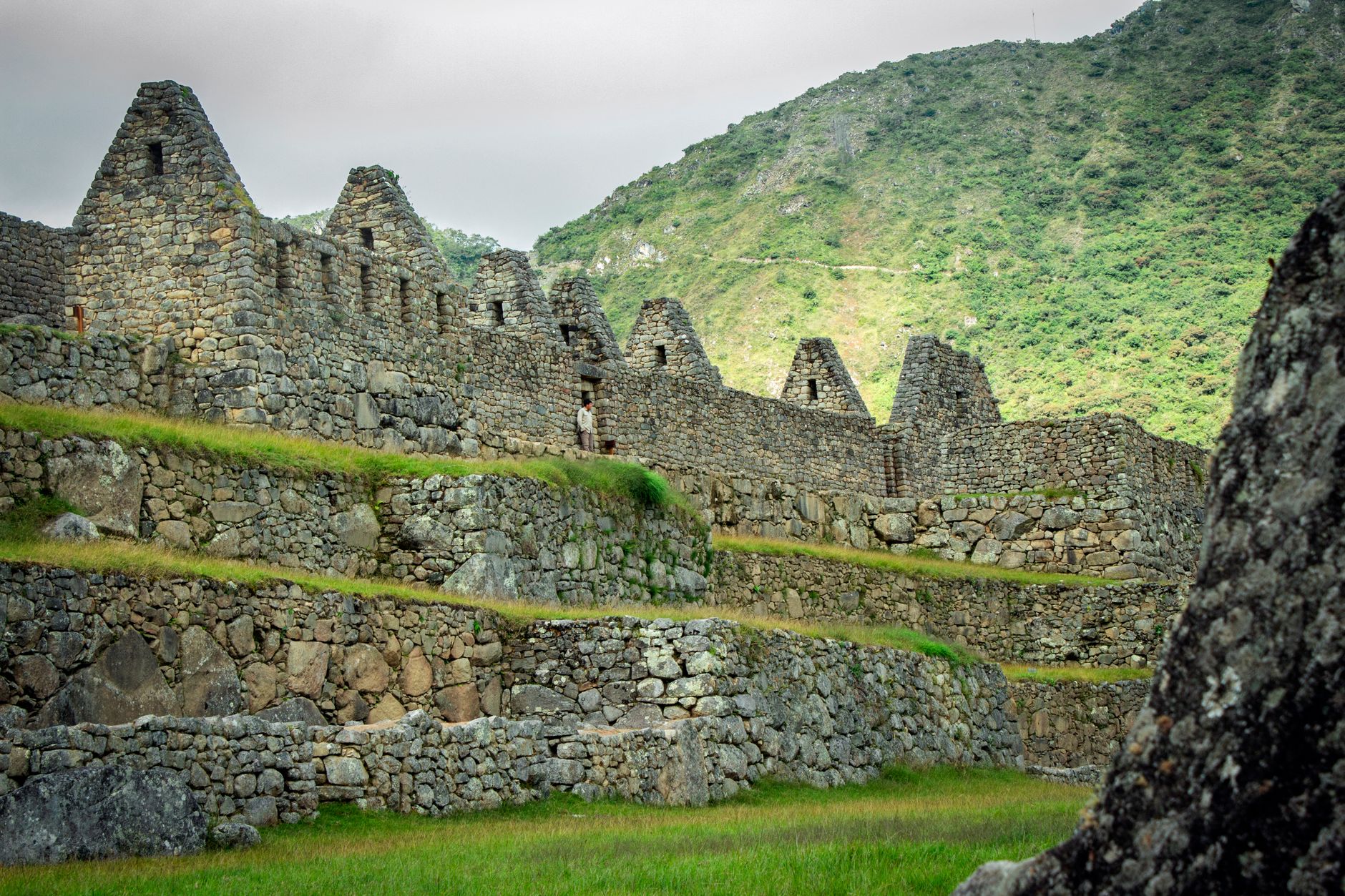
- The Machu Picchu (Peru) – An ancient Incan city set high in the Andes Mountains, Machu Picchu is famous for its archaeological significance and breathtaking views.
Planning Your Visit to The Seven Wonders
Each of these wonders offers a unique opportunity for exploration. Below are practical tips on planning your journey to these iconic sites, including entry information, travel logistics, and what to consider when visiting.
Traveling to The Great Pyramid of Giza
Located on the Giza Plateau near Cairo, the Great Pyramid is a must-visit for history enthusiasts. The area can be crowded, especially during peak tourist seasons in the winter.
- Best Time to Visit: October to April, when temperatures are cooler.
- Getting There: Fly into Cairo International Airport, then take a taxi or a guided tour to Giza.
- What to Expect: Expect to see not just the pyramids but the nearby Sphinx and several smaller pyramids. A guided tour can provide rich historical context.
- Entry Costs: Entrance fees vary; it’s advisable to check the latest costs online.
Exploring the Hanging Gardens of Babylon
While the actual location of the Hanging Gardens is debated, some think it might be located near Hillah, Iraq. Traveling here requires careful planning due to security concerns in the region.
- Best Time to Visit: March to May or September to November, avoiding the extreme heat.
- Getting There: Travel to Baghdad, and arrange safe transportation to Hillah.
- What to Expect: Visit local archaeological museums for insights into Babylonian culture.
- Entry Costs: Research local site access rules and potential guided tours.
Visiting Petra
Petra can be accessed from the city of Wadi Musa, making it a convenient stop for travelers in Jordan. With its stunning architecture carved into rock faces, it is essential to allow ample time for exploration.
- Best Time to Visit: March to May and September to November, offering comfortable temperatures.
- Getting There: Fly into Queen Alia International Airport in Amman and travel by bus or taxi to Wadi Musa.
- What to Expect: Start your journey through the dramatic Siq, leading to the breathtaking Treasury. Diverse trekking opportunities exist around the site.
- Entry Costs: Check the Petra Visitor Center for up-to-date ticket prices.
Experiencing Christ the Redeemer
This iconic landmark is located in Rio de Janeiro and is easily accessible from the city center. A visit provides incredible views of the surrounding landscape.
- Best Time to Visit: December to March for the summer season, but aim for early morning or late afternoon to avoid crowds and heat.
- Getting There: The most popular way is to take the Corcovado Railway train. Taxis and rideshare services are also widely available.
- What to Expect: Don’t miss the panoramic views and the vibrant atmosphere at the top. Visit early to avoid the crowd.
- Entry Costs: Check online for the latest ticket prices and include the train fare.
Exploring the Colosseum
As one of the most recognized symbols of Rome, the Colosseum offers insight into ancient Roman culture. Given the popularity of the site, pre-book tickets to avoid long queues.
- Best Time to Visit: Spring or fall to sidestep the summer heat and manage visitor numbers.
- Getting There: Easily accessible via Rome’s metro system; get off at the Colosseo station.
- What to Expect: Guided tours enhance the experience and reveal fascinating history. Nearby attractions include the Roman Forum and Palatine Hill.
- Entry Costs: Online booking can save on ticket prices and allow you to see several area attractions with a combined ticket.
Visiting Chichen Itza
Located on Mexico’s Yucatan Peninsula, Chichen Itza is accessible by various means, including buses from Cancun. The rich Mayan history combined with impressive architecture makes it a spectacular destination.
- Best Time to Visit: November to April for milder weather.
- Getting There: Fly into Cancun International Airport, then take a bus or organized tour.
- What to Expect: Engage with knowledgeable guides for deeper insights, and don’t miss the Observatory and Cenote Ik Kil nearby.
- Entry Costs: Research the ticket prices ahead of time and consider getting a guide.
Admiring the Taj Mahal
The Taj Mahal in Agra is one of the most beautiful buildings in the world and is universally recognized for its stunning design. Visiting at sunrise or sunset is magical.
- Best Time to Visit: October to March, during the cooler months.
- Getting There: Fly into Indira Gandhi International Airport in Delhi, followed by a train or taxi to Agra.
- What to Expect: The intricate details of the architecture can captivate visitors for hours. Guided tours can enhance the historical experience.
- Entry Costs: Prices vary for Indian and foreign tourists. Check ahead for potential online booking discounts.
Exploring Machu Picchu
Machu Picchu, a UNESCO World Heritage site, is situated in the Andes and can be reached via a train journey or the Inca Trail for those seeking a more adventurous approach.
- Best Time to Visit: May to September, during the dry season.
- Getting There: Fly into Cusco, then take a train to Aguas Calientes. From there, a short bus ride brings you to the entrance.
- What to Expect: Consider guided hikes around the site to appreciate its history and architecture fully. A visit to the Sun Gate is a must.
- Entry Costs: Check ticket availability ahead of time, as limits are in place to manage visitor flow.
Tips for Visiting the Seven Wonders
Here are some overall travel tips for maximizing the experience at each of the Seven Wonders:
- Plan Ahead: Research each site’s entry requirements and book tickets in advance when possible to avoid disappointment.
- Respect Local Customs: Each site has its unique cultural significance—be mindful of local customs, dress codes, and photography rules.
- Stay Hydrated: Many wonders are in warm climates; carry water and set aside time for breaks.
- Use Guides: Consider hiring local guides for deeper insights into the history and intricacies of each site.
- Engage with Locals: Interacting with local communities can provide enriching experiences beyond the wonders themselves.
Conclusion
The Seven Wonders of the World reflect the pinnacle of human achievement throughout history. From the awe-inspiring Great Pyramid of Giza to the breathtaking beauty of Machu Picchu, each site offers unique insights into our past and illustrates our capacity for creativity and innovation.
As you plan your travels, consider the cultural and historical significance of these wonders and the logistics of visiting them. Taking the time to understand their contexts can enhance your experience and appreciation of the incredible architecture that has inspired generations.
To continue your exploration, check out guides like how to get to Machu Picchu or informative articles on the Colosseum for deeper insights into these magnificent destinations.