
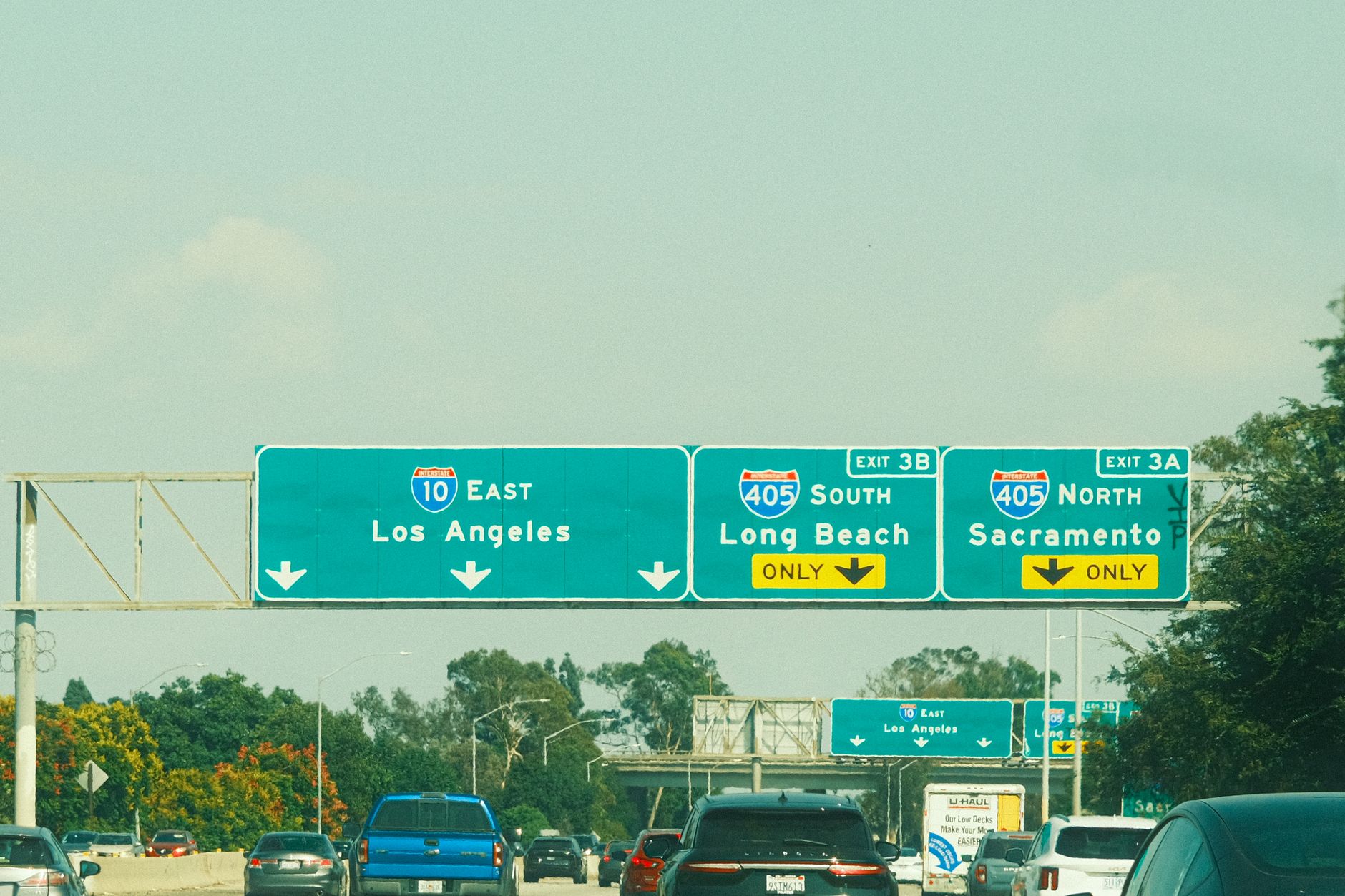
Traveling on Interstate 30 (I-30) can be an essential route for many travelers, especially those heading across Texas or en route to popular destinations. If you’re currently facing slow-moving traffic or a full stoppage on I-30 today, understanding the causes can help you better plan your journey. This article aims to provide insights into the reasons behind traffic disruptions on I-30, along with tips on how to navigate these situations and make the most of your travels.
Traffic issues on major highways like I-30 are not uncommon and can stem from several factors including construction, accidents, or severe weather. By keeping yourself informed about the latest travel updates, you can reroute your trip, find alternatives, and minimize delays. Let’s explore the most common reasons for traffic stops on I-30 and what you can do about it.
Why Is Traffic Stopped on I-30 Today?
Traffic may be stopped on I-30 today due to construction work, accidents, or severe weather conditions. It’s essential to check real-time traffic updates and alerts from local news, transportation authorities, or navigation apps for a clearer understanding of the situation.
Common Causes of Traffic Stops on I-30
To effectively deal with traffic stops, it’s essential to understand what might be causing them. Here are some common reasons:
- Construction Work: Road construction and maintenance can significantly hinder traffic flow. Detours or lane restrictions may be in place, leading to slowdowns.
- Accidents: Collisions can cause immediate and severe traffic disruptions as emergency responders arrive on the scene. Depending on the severity, closures can last for an extended period.
- Weather Conditions: Bad weather, like heavy rain, snow, or fog, can impact driving safety and lead to traffic being stopped or slowed.
- Events and Incidents: Large-scale events, parades, or protests can cause temporary road closures even on busy highways like I-30.
- Vehicle Breakdowns: Disabled vehicles or debris on the roadway can create significant hazards, resulting in traffic stops for safety reasons.
How to Find Real-Time Traffic Updates
Knowing where to find reliable traffic updates can save you from unexpected delays. Here are some resources to consider:
- Local News Stations: Television and radio broadcasts often provide traffic updates throughout the day.
- Transportation Departments: Websites and social media outlets of local transportation departments frequently post real-time traffic conditions and alerts.
- GPS and Navigation Apps: Apps like Google Maps and Waze offer real-time traffic information, including alternate routes and estimated travel times.
What to Do When Traffic Stops
If you encounter a traffic stoppage on I-30, here are practical strategies to navigate the situation effectively:
- Stay Calm: Keep your cool and avoid unnecessary panic. Stress doesn’t help you in any situation.
- Check Updates: Utilize your smartphone or vehicle navigation system to check real-time traffic updates.
- Consider Alternatives: If the traffic is too congested and you have navigation apps, explore alternate routes to avoid backtracking.
- Take Precautions: If you’re stationary on the highway, make sure your vehicle is in a safe position, and be prepared for possible emergencies.
- Pace Yourself: If you expect a lengthy stop, consider turning off your engine to save fuel and keep the atmosphere calm.
Planning Your Route Ahead of Time
Before setting out on your journey, plan your route by considering different factors that could affect your travel on I-30. Here are some recommendations:
- Time Your Travel: If possible, travel during non-peak hours to experience smoother traffic flow.
- Check the Weather: Adverse weather can affect road conditions. Check forecasts before your trip.
- Familiarize with the Route: Knowing the key exits, rest areas, and possible construction zones can make a significant difference in your experience.
What to Bring for Your Journey on I-30
Whether you’re traveling alone or with family, being prepared for unexpected delays can ensure a more comfortable journey. Always keep essential travel items on hand:
- Snacks and Water: Keeping hydrated and fueled is crucial, especially during lengthy traffic stops.
- Entertainment: Have books, podcasts, or music available to keep passengers occupied during long waits.
- Emergency Kit: A well-stocked emergency kit that includes water, first-aid supplies, and flares can provide safety and security.
- Chargers and Power Banks: Keep your devices charged in case you need to access navigation tools or emergency contacts.
Being Mindful of Local Driving Laws
Understanding and adhering to local driving laws is crucial when traveling on I-30. This ensures safety and prevents accidents:
- Speed Limits: Adhere strictly to posted speed limits, especially in construction zones where fines can be increased.
- Seatbelt Laws: Make sure all passengers are wearing seatbelts as required by law.
- Road Etiquette: Practice courteous driving, allowing space for merging vehicles and using turn signals as needed.
Alternatives to Driving on I-30
If you frequently travel along I-30 but find traffic conditions frustrating, consider alternative modes of transportation:
- Amtrak Trains: Depending on your origin and destination, train services may offer a more leisurely and scenic option without the stress of driving.
- Bus Services: Several bus companies operate routes that parallel I-30, offering a budget-friendly way to travel without your own vehicle.
- Ride-Sharing Services: Using a ride-share app can relieve you of the stress of navigating traffic, allowing you to relax during the journey.
Review the Areas Along I-30
If you plan to stop and take a break, I-30 passes through a variety of cities and towns where you can explore local dining and attractions.
- Dallas: Home to a vibrant arts scene, great food, and professional sports teams, stop in Dallas for a taste of urban life.
- Little Rock: Discover the capital of Arkansas with its historic sites and beautiful parks, ideal for a refreshing break from driving.
- Texarkana: Situated on the Texas-Arkansas border, this small city offers a glimpse into local culture and Southern hospitality.
Seasonal Considerations for I-30 Travel
Traffic patterns can change dramatically based on the season. Understanding when to travel can help you plan accordingly.
- Spring and Fall: Generally, these seasons see more moderate traffic and pleasant weather, making them ideal for road trips.
- Summer: Higher traffic volumes can occur due to vacationers. Expect potential delays, especially near tourist attractions.
- Winter: Adverse weather conditions can create hazardous driving situations. Always check forecasts before traveling.
Conclusion
Facing traffic stoppages on I-30 today can certainly be frustrating, but being well-prepared allows you to handle the situation effectively. Keeping up with real-time updates, knowing the common causes of delays, and preparing for unexpected circumstances will help you navigate potential hiccups during your trip. Whether your journey is short or long, always take the time to plan for safe and enjoyable travel.
Explore more about your travel plans with related articles such as what’s happening on I-40 East or updates from DFW Airport for insights to assist in your travels.