
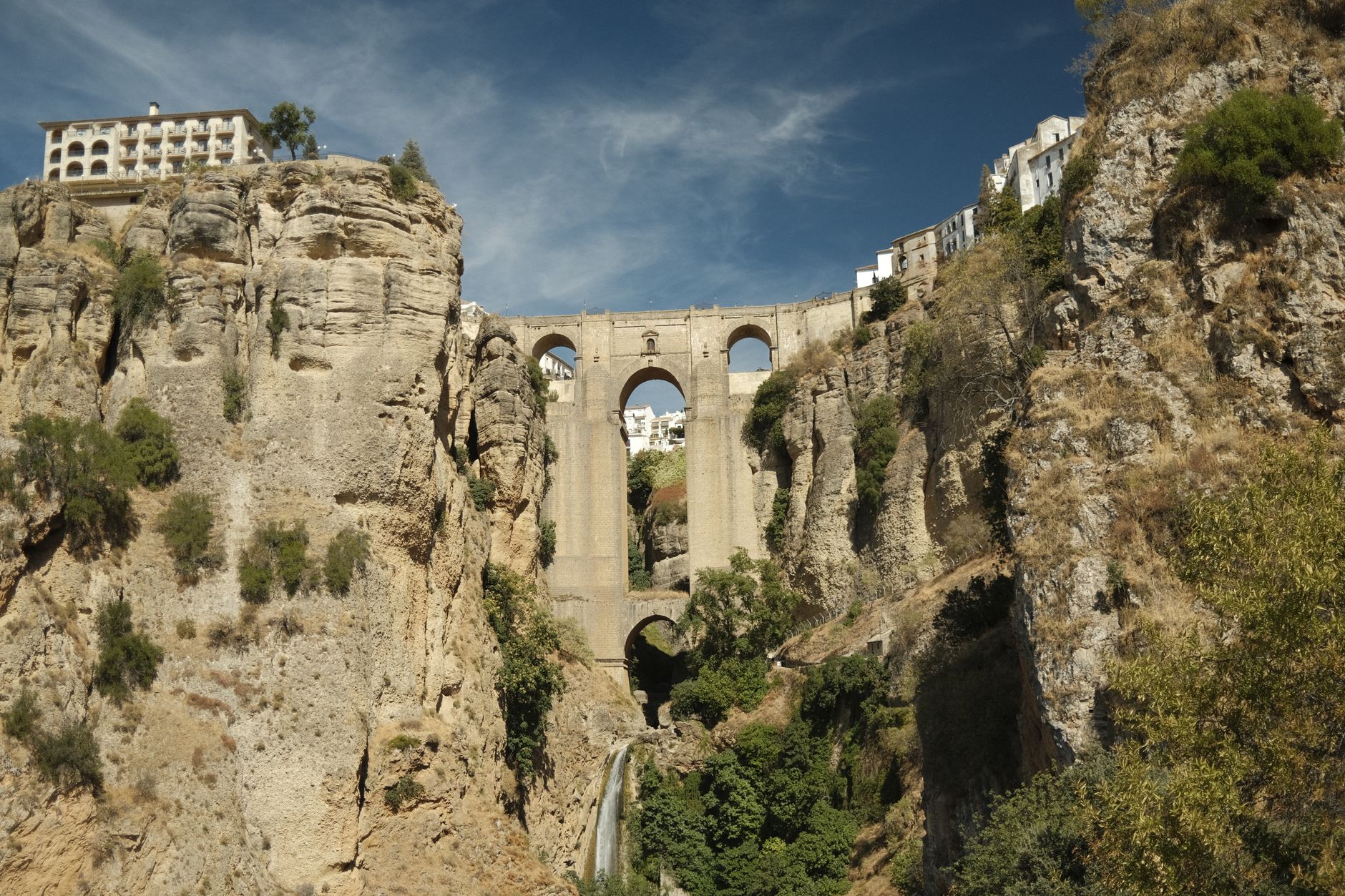
Ronda, a picturesque town in southern Spain, presents one of the most stunning convergences of history and nature. Nestled in the mountainous region of the Andalusia province, it is renowned for its dramatic cliffs, iconic bridges, and rich cultural heritage. If you’re wondering where exactly Ronda is located, this guide will provide detailed insights into its geography, attractions, practical travel tips, and more.
This guide covers essential information about Ronda’s location, a handy map, local attractions, accommodation options, and travel tips. Whether you’re a history buff, nature enthusiast, or culinary explorer, Ronda offers something for every traveler.
Where Is Ronda?
Ronda is located in the Malaga province of Spain, specifically situated in the Serranía de Ronda mountainous region. It lies approximately 100 kilometers (62 miles) from the coastal city of Malaga and is part of the autonomous community of Andalusia. The town is perched atop a plateau at an altitude of about 750 meters (2,460 feet) above sea level, providing breathtaking views of the surrounding landscapes.
Ronda is famed for its dramatic geographical features, including the deep gorge known as El Tajo, which divides the town into two parts. The gorge reaches depths of around 100 meters (328 feet), creating a stunning backdrop for visitors. The town can be reached via various transport options, making it an accessible destination for anyone traveling through Andalusia.
A Detailed Map of Ronda
To navigate Ronda effectively, it’s useful to have a map that highlights key attractions, transport links, and notable neighborhoods. While detailed maps can be obtained through local tourist information centers, Google Maps or similar services can provide a digital overview that is easily accessible on your smartphone. Here are some key areas and attractions to locate on your map:
- El Tajo Gorge: Central feature dividing the town.
- Puente Nuevo: The iconic bridge spanning El Tajo.
- Plaza de Toros: One of the oldest bullrings in Spain.
- Palacio de Mondragón: Historical palace showcasing Ronda’s rich history.
- La Ciudad: The old town filled with narrow cobblestone streets.
Why Visit Ronda?
Ronda is distinct not only for its dramatic scenery but also for its deep historical roots and vibrant culture. It is one of the oldest towns in Spain, with a rich Moorish past. Travelers visiting Ronda can expect to experience a mix of Spanish culture, breathtaking views, and a variety of local activities that make it a worthwhile destination.
Who Should Visit Ronda?
Ronda caters to a variety of travelers, including:
- Adventure Seekers: Those seeking hiking or outdoor pursuits will relish the natural landscapes.
- Cultural Enthusiasts: The rich history and architecture attract those interested in learning more about Spanish culture.
- Food Lovers: Ronda’s culinary scene offers local delicacies that are a treat for the palate.
- Photography Aficionados: The scenic views provide numerous opportunities for stunning photography.
- Couples: Ronda’s romantic landscapes make it perfect for a getaway.
Suggested Trip Length
A visit to Ronda typically requires a duration of 1 to 2 days to explore its main attractions effectively. Here’s how you can prioritize your time:
- 1 Day: Focus on the main attractions such as El Tajo Gorge, Puente Nuevo, and Plaza de Toros. Enjoy local cuisine for lunch and dinner.
- 2 Days: Dedicate the second day to explore surrounding areas and take part in activities such as hiking or wine tasting at nearby vineyards.
Main Attractions in Ronda
Ronda is home to several noteworthy attractions that cater to a broad range of interests. Here’s a selection of must-see sites:
1. Puente Nuevo
The Puente Nuevo (New Bridge) is Ronda’s most iconic landmark. Completed in 1793, this bridge spans El Tajo gorge and provides stunning views of the surrounding countryside. Visitors are drawn to its architectural significance and the exhilarating experience of standing atop the gorge.
2. Plaza de Toros
As one of Spain’s oldest bullrings, the Plaza de Toros is a significant heritage site. Visiting the bullring offers insight into Spain’s cultural traditions surrounding bullfighting. Guided tours provide an understanding of the historical context and importance of bullfighting in Ronda.
3. El Tajo Gorge
El Tajo gorge is the dramatic natural feature that divides Ronda. Travelers can walk along the edges of the gorge for breathtaking views and photography opportunities. There are also walking trails that allow for a closer look at the spectacular rock formations.
4. Palacio de Mondragón
This historic palace serves as a cultural center and houses the Ronda Museum, where visitors can learn about the town’s history and heritage. The site also features beautiful gardens and exhibits of Moorish architecture.
5. La Ciudad
The old town of Ronda, known as La Ciudad, is characterized by narrow cobblestone streets and charming plazas. Visitors can wander through this area to experience authentic Andalusian culture, local boutiques, and traditional cafés.
Seasonal Patterns and Weather
When planning a trip to Ronda, it’s essential to consider seasonal weather patterns, as they can greatly affect your experience:
- Spring (March to May): Mild temperatures and blooming landscapes. Ideal for outdoor activities.
- Summer (June to August): Hot temperatures, with peaks around 30°C (86°F). A popular time to visit, so expect larger crowds.
- Autumn (September to November): Gradually cooling temperatures provide pleasant weather for exploring. A great season to visit with fewer tourists.
- Winter (December to February): Mild but cooler weather, with temperatures averaging around 10°C (50°F). Fewer crowds but some attractions may have limited hours.
It’s advisable to check local weather forecasts ahead of your trip, as conditions can change, and plan accordingly. Summers can be particularly hot and may affect outdoor activities, so consider early morning visits to explore.
Arrival Options to Ronda
Reaching Ronda is quite straightforward, with several transportation options available:
By Car
Driving to Ronda is probably the most convenient method. The town is well connected to major cities via Spain’s extensive road network. Rentals are available in Malaga, Seville, and other major cities. The drive offers stunning scenery, particularly through the Andalusian countryside.
By Train
Ronda is accessible by train from major cities like Malaga and Seville. The train experience offers a comfortable and scenic ride, with the train station located conveniently near the town center.
By Bus
Numerous bus services operate routes to and from Ronda. Buses from Malaga, Seville, and other Andalusian towns run regularly throughout the day. The bus station is also conveniently situated in the town, making it easy for travelers.
Traveling within Ronda
Once in Ronda, the town itself is very walkable. Most attractions are located within a short distance of each other, allowing visitors to explore on foot. Alternatively, local taxis and buses can be used if needed, but walking provides the best opportunity to soak in the local atmosphere and architecture.
Accommodation Options in Ronda
Selecting the right place to stay can enhance your travel experience. Ronda offers a variety of accommodation types catering to different needs and budgets:
Luxury Hotels
For those looking for upscale accommodations, there are several luxury hotels that offer stunning views and premium amenities. Many of these establishments feature lavish rooms, fine dining, and wellness facilities.
Mid-Range Hotels
There are numerous mid-range hotels and boutique guesthouses that provide comfortable stays at reasonable prices. These often include traditional Spanish décor and are located within easy reach of main attractions.
Hostels and Budget Accommodation
For budget travelers, hostels and guesthouses offer affordable dormitory beds and private rooms. These are typically located in central areas, making them great for those looking to save on accommodation while still being close to the action.
Vacation Rentals
Consider renting an apartment or villa for a more home-like feel. This option can be ideal for families or groups, providing space for relaxation and cooking.
Local Food Experience
Experiencing local cuisine is an integral part of visiting Ronda. The town offers a diverse culinary landscape based on traditional Andalusian recipes. Here are some local dishes and tips for enjoying the food scene:
- Tortilla Española: A traditional Spanish omelet made with potatoes and onions.
- Flamenquín: A rolled and breaded pork or chicken dish, often served with fries.
- Gazpacho: A refreshing cold soup made from blended vegetables, perfect for warm weather.
- Local Wines: Ronda is home to several vineyards producing high-quality wines, including full-bodied reds.
To experience the full culinary range, consider trying a tapas tour where you can sample small plates at various local bars and restaurants. Engaging with locals can also lead you to hidden culinary jewels often missed by tourists.
Budget Considerations
Budgeting for your trip to Ronda involves several essential considerations:
- Transportation: Factor in costs for transport depending on your arrival mode, plus local commuting.
- Accommodation: Prices vary significantly based on where you stay and the time of year. Booking in advance often yields better deals.
- Food: Dining out is relatively affordable in Ronda compared to larger cities. Tapas bars offer excellent food without breaking the bank.
- Activities: Many attractions are free or have modest entrance fees. Allocate budget for guided tours or specific experiences.
Responsible Visitor Behavior
It’s important to be mindful of local customs and environmental practices while visiting Ronda. Here are a few tips to ensure respectful travel:
- Support local businesses by dining at eateries and shopping at local markets.
- Observe local customs, particularly in places of worship or during cultural events.
- Dispose of waste properly and use recycling bins where available.
- Respect wildlife and natural areas, avoiding littering or disturbing habitats.
Essential Travel Tips for Ronda
To maximize your visit to Ronda, consider these essential travel tips:
- Learn Basic Spanish Phrases: While many locals speak English, knowing a few Spanish phrases can enhance your interaction with residents.
- Check Opening Hours: Some attractions may have seasonal hours; checking in advance will save disappointment.
- Stay Hydrated: Especially in summer, keep water handy as you explore the town on foot.
- Take Cash: Although most establishments accept credit cards, smaller local shops may only accept cash.
- Arrive Early: For popular sites, such as Puente Nuevo, arriving early in the day can help you avoid crowds.
Ronda is a remarkable town that captures the heart of anyone who visits. Whether exploring its historical roots, enjoying fine local cuisine, or admiring its stunning landscapes, a trip to Ronda offers memories that last a lifetime. With the tips and information provided in this guide, you can navigate your journey effortlessly.
To explore more insightful travel guides related to destinations like Ronda, consider looking for information on traveling in Andalusia, tips for visiting Malaga, or guides to other Spanish destinations. Happy travels!