
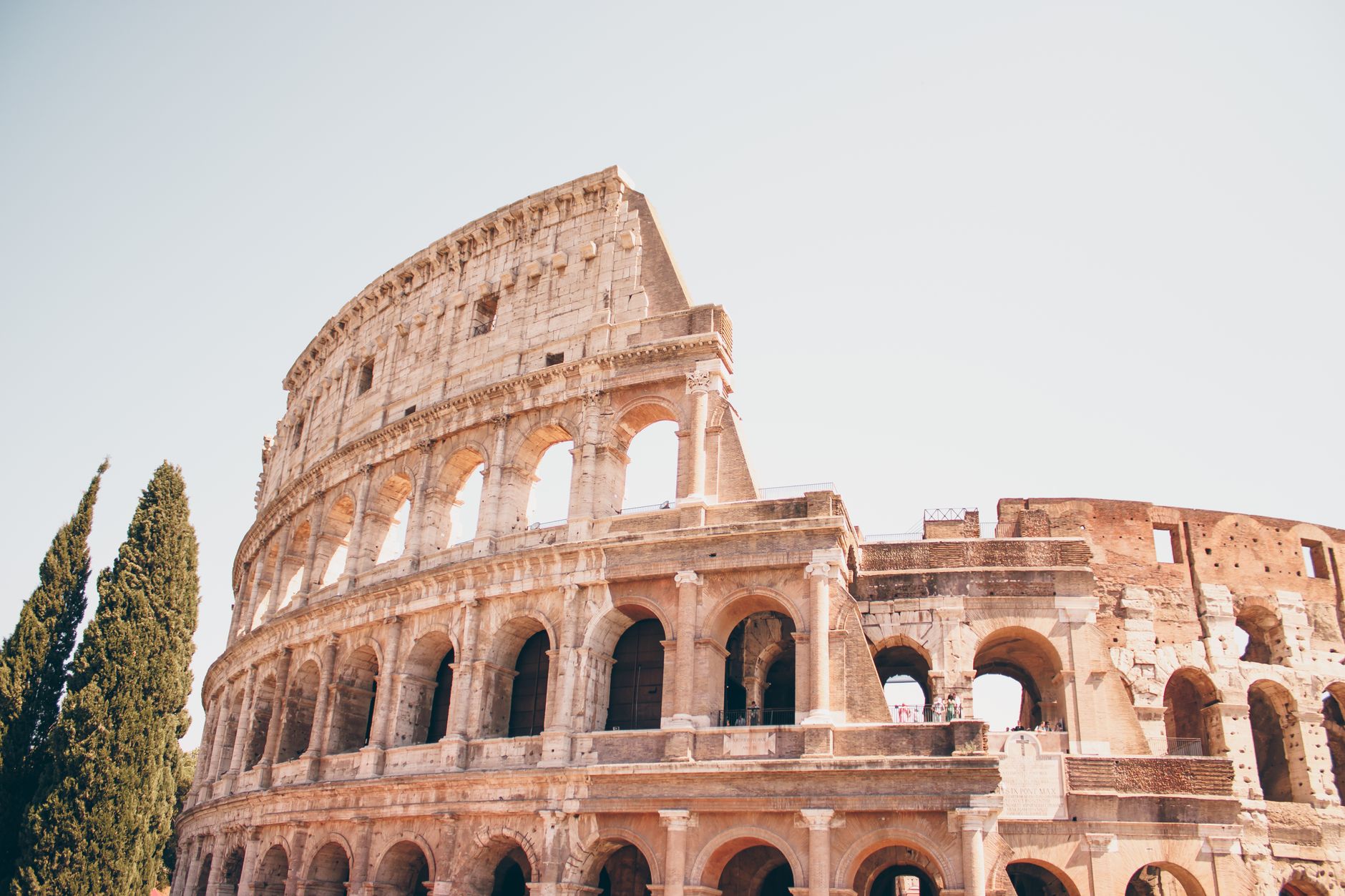
The Colosseum, an iconic symbol of Ancient Rome, draws millions of visitors each year, eager to glimpse its grandeur and rich history. One of the most frequently asked questions regarding this monumental structure is: When was the Colosseum built? Understanding the timeline of its construction not only adds to the appreciation of this architectural marvel but also provides insight into the culture and society of ancient Rome.
The Colosseum, originally known as the Flavian Amphitheatre, was commissioned by Emperor Vespasian in AD 70-72. Subsequent emperors, particularly his son Titus and later Domitian, contributed to its completion and expansion, culminating in its inauguration in AD 80. The Colosseum has since stood as a testament to Roman engineering, enduring the test of time and captivating the imagination of visitors from around the globe.
When Was The Colosseum Built?
The construction of the Colosseum began under Emperor Vespasian in AD 70 and was completed in AD 80 during Emperor Titus’s reign. Over the years, modifications and improvements continued under Emperor Domitian, which contributed to the Colosseum’s present form.
The Background of the Colosseum’s Construction
To fully appreciate the Colosseum, it’s essential to understand the historical context surrounding its construction. After the Great Fire of Rome in AD 64, Emperor Nero built a lavish palace known as the Domus Aurea on land that was public before the fire. This caused significant unrest among the Roman citizens. Vespasian aimed to restore public goodwill by creating the Colosseum, a place for public entertainment, built on a site accessible to all.
Vespasian’s vision for the Colosseum was clear: to provide a grand arena for hosting gladiatorial contests, wild animal hunts, and other forms of entertainment. The construction employed thousands of skilled laborers, engineers, and slaves, showcasing the advanced engineering prowess of Ancient Rome.
The Structure of the Colosseum
The Colosseum is an elliptical structure, measuring approximately 189 meters in length and 156 meters in width. Its outer facade consists of three levels of arched entrances, adorned with columns of different orders: Doric on the ground level, Ionic on the second, and Corinthian on the third. This verticality not only offers an aesthetic appeal but also demonstrates Rome’s architectural innovations.
Materials Used
Building the Colosseum required the use of various materials, including:
- Travertine limestone for the main structure
- Tuff, a volcanic rock, for some sections
- Brick-faced concrete for the inner walls
- Marble for decorative elements and seating
The careful selection of materials emphasized both durability and aesthetic quality, resulting in a structure that has lasted for nearly two millennia.
Significant Events Following Its Inauguration
After its inauguration in AD 80, the Colosseum hosted its first games, which reportedly lasted for 100 days. These events included gladiatorial contests, animal hunts, and even mock naval battles in which the arena was flooded. Over the years, more than 9,000 animals were said to have perished during the inaugural ludes.
As Rome grew and evolved, the significance of the Colosseum also changed. The arena became not just a site for entertainment but also a reflection of the political and social dynamics of Rome. Emperors would use the games to please the populace, often funding extravagant spectacles to flaunt their wealth and power.
Additional Construction and Modifications
While the main structure was completed in AD 80, many further additions and renovations took place under later emperors. Domitian, for example, made substantial enhancements, including the addition of an underground area known as the hypogeum. This area, located beneath the arena, served as a complex network of tunnels and chambers for gladiators and animals before their entrance into the arena.
The Hypogeum: Function and Design
The hypogeum featured lifts to bring animals and combatants to the central stage. It included numerous cages for animals and provided storage for equipment, indicating the level of organization required to run such grand performances. The remnants of the hypogeum can still be seen today, providing valuable insight into the engineering genius of Ancient Rome.
The Colosseum Today
Today, the Colosseum stands as one of the most recognized and visited landmarks in the world. Variously used throughout the centuries—from a venue for entertainment to a site for housing, and later, as a place for sacred Christian rituals—it reflects the ever-changing dynamics of Roman society. However, it has not gone without challenges over the years, including damages from earthquakes, neglect, and pollution.
Visitor Information and Accessibility
When planning a visit to the Colosseum, knowing the best times and how to navigate the area can enhance your experience. The Colosseum is easily accessible via public transport, making it convenient for tourists. The nearby Metro station, Colosseo, is served by Line B and places you just a short walk from the entrance.
Best Times to Visit
While the Colosseum is open year-round, certain times are better for avoiding crowds. Late afternoons during weekdays tend to be less busy than mornings or weekends. During peak tourist seasons, visiting during the off-peak hours or on weekdays may provide a more enjoyable experience.
Accommodation Options Near the Colosseum
Finding suitable accommodation in close proximity to the Colosseum can greatly enhance your visit. Various options cater to different budgets, including luxury hotels, charming bed-and-breakfast establishments, and budget-friendly hostels.
- Luxury: Consider hotels like Palazzo Manfredi, offering spectacular views of the Colosseum from your room.
- Mid-range: Hotels such as Hotel Artemide provide comfortable accommodations within a short distance from the landmark.
- Budget: Hostel options such as The Yellow offer affordable stays for backpackers and budget travelers.
Planning Your Visit to the Colosseum
From the moment you arrive at the Colosseum, planning is essential for maximizing your experience. Here are some practical tips and considerations:
Ticket Information
It’s advisable to purchase tickets in advance to avoid long queues. Combined tickets that include access to the Roman Forum and Palatine Hill are also available, providing a more comprehensive exploration of Ancient Rome.
A Guided Tour or Audio Guide
Opting for a guided tour or renting an audio guide can enhance your understanding of the Colosseum’s history and architecture. Knowledgeable guides can offer insights that enrich your visit.
Accessibility Considerations
The Colosseum is equipped to accommodate visitors with disabilities. There are ramps, elevators, and accessible restrooms to ensure that everyone can enjoy the site. However, it’s wise to check the official site for the latest accessibility options or any potential closures before visiting.
A Day Trip Itinerary for Visiting the Colosseum
For those planning a day trip focused on the Colosseum, consider the following itinerary. This will allow you to experience the wonders not just of the Colosseum but also of surrounding attractions:
- Morning: Begin your day with an early visit to the Colosseum to avoid crowds. Opt for a guided tour to maximize your experience.
- Late Morning: After exploring the Colosseum, stroll over to the Roman Forum, the heart of Ancient Rome.
- Lunch: Enjoy a traditional Roman meal at a nearby trattoria, sampling dishes like Carbonara or Cacio e Pepe.
- Afternoon: Head to Palatine Hill, where you can see the remains of emperors’ palaces and have a view of the Forum and Colosseum.
- Late Afternoon: Visit the Capitoline Museums or explore the nearby area, including the stunning Piazza Venezia.
- Evening: Conclude your day with a leisurely walk around the Roman ruins, taking in the atmosphere as the sun sets over the Eternal City.
Final Thoughts on Visiting the Colosseum
The Colosseum stands as a powerful reminder of Rome’s history and architectural prowess, making it a worthwhile stop on any itinerary. Understanding its timeline of construction and significance not only heightens your appreciation of the site but also connects you to the stories of those who walked the arena centuries ago.
With the right timing, planning, and insight, your visit to the Colosseum will not just be a sightseeing opportunity but an enriching experience that highlights the grandeur of Ancient Rome.
For more information on additional attractions and travel planning tips in Rome, explore related guides on our blog such as Where is Rome? and Things to do in Rome.