
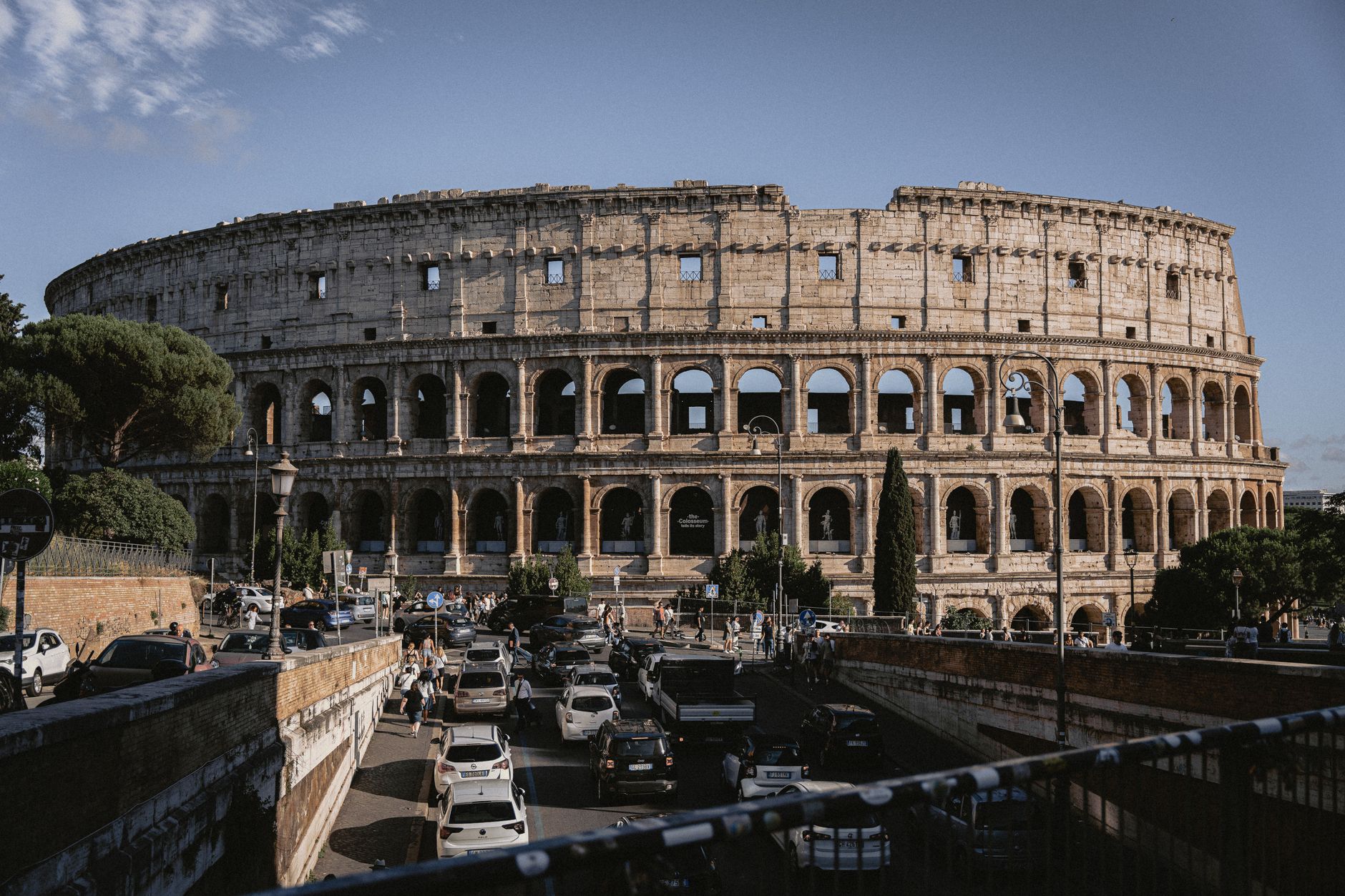
Where is Rome? It sits in the heart of Italy, in the Lazio region along the Tiber River. This article maps its location, explains how to reach it, and offers practical travel tips for planning a visit.
You will learn the core neighborhoods to consider for lodging, the best times to go, and how to move around the city. The goal is to give you clear, actionable steps to plan a satisfying trip.
Where Is Rome? (Location, Map & Essential Travel Tips)
Rome is located in central Italy, roughly an hour’s drive from the Tyrrhenian Sea coast. Its coordinate heart lies near the middle of the peninsula, making it a convenient hub for day trips to ancient ruins and hillside towns.
Understanding Rome’s Geography and Neighborhoods
Rome is a compact city divided into distinct districts that shape how you explore it. The historic center concentrates ancient sites, while Trastevere, Monti, and Testaccio offer character-filled streets and food scenes.
Knowing the neighborhoods helps you choose a base aligned with your interests. Public transport connects the center to outer areas efficiently, though some visitors prefer walking to soak up the ambiance.
How to Get There: Air, Train, and Road Access
By air, Rome is served by Leonardo da Vinci–Fiumicino Airport (FCO) and Ciampino Airport (CIA). FCO handles most international flights, while CIA mainly serves budget and charter routes. Verify current flight options with official sources before booking.
By train, Rome’s Termini station is the intercity hub. High-speed options connect to major Italian cities on reliable schedules. If you’re driving, plan for limited ZTL zones in central areas and paid parking on the periphery.
Getting Around Rome: Public Transport vs. Walking
The metro has two lines plus several tram routes that cover key sites. Buses provide comprehensive coverage, but traffic can slow your progress. Consider a combination of transit and walking for most experiences.
Walking is often the fastest way to reach major sights in the center. Stairs and cobblestones mean comfortable footwear is essential. A transport card or single-ride tickets are the practical choices for short stays.
When to Visit Rome: Seasonal Tradeoffs
Spring (April to June) and fall (September to October) are popular for mild weather and fewer crowds. Summer can be hot and busy, especially around major sites. Winter offers cooler temperatures and often fewer lines, but some attractions may reduce hours.
Consider local holidays and religious events, which can affect crowds and prices. Always verify opening hours close to your travel dates.
How Long to Stay: A Realistic Itinerary Framework
A first-time visit often works well with 3 to 4 full days. This allows you to see the highlights and enjoy a leisurely pace without rushing.
Extend to 5 or 6 days if you want more museums, neighborhoods, and day trips. A well-paced plan balances major sites with time for meals and wandering at a relaxed rhythm.
Where to Stay: By Area and Traveler Type
Central bases near the historic center are convenient for walking access to the main sights. Look for areas around Centro Storico, Pantheon, and near Termini for easy transit connections.
Family-friendly options trend toward quieter streets in the Monti or Prati neighborhoods. Solo travelers often favor lively districts with good access to cafes, bars, and social spaces like Trastevere or Campo de’ Fiori.
Practical Budget Considerations
Rome can accommodate a range of budgets. Accommodation costs vary by neighborhood and season, while dining can be a mix of affordable trattorias and higher-end restaurants.
Plan ahead for major site tickets and considerRoma passes or combined tickets when available. Always confirm current prices and hours before you book.
Where to Eat: Food and Drink Essentials
Expect classic Roman dishes such as carbonara, amatriciana, and suppli. Many good-value options are family-run trattorias in residential streets away from the main tourist routes.
Reserve for evening meals in busy areas to secure a table, especially on weekends. For quick bites, look for bakeries and wine bars offering small plates and local specialties.
Day Trips and Nearby Wonders
Rome serves as a gateway to ancient ruins and hill towns. Nearby options include Ostia Antica for a seaside archaeological site and Tivoli for Villa d’Este and Hadrian’s Villa.
For a longer excursion, the ancient ruins of Pompeii or the beaches of the Tyrrhenian coast can be reached by fast rail days or guided tours. Check current schedules with official operators before planning.
Planning for Accessibility, Family, and Solo Travel
Rome’s historic center is walkable but crowded, which can be challenging on uneven pavements. Accessibility varies by site, so verify ahead for limited mobility needs.
Families benefit from child-friendly museums and plazas with room to run. Solo travelers often enjoy lively neighborhoods with easy meeting points and open public spaces.
Safety and Practical Tips
Be mindful of pickpockets in crowded areas and on public transport. Use a light daypack and keep valuables secured.
Carry a copy of your passport and keep digital backups of important documents. Check government travel advisories for current safety guidance and local conditions.
Packing Smart for Rome
Pack comfortable walking shoes and a weather-appropriate wardrobe. Include a light rain shell for spring showers and summer heat protection like a hat and sunscreen.
A compact umbrella can be handy, especially in shoulder seasons. Pack a reusable water bottle, as Rome has many public drinking fountains.
Important Practicalities You Need to Know
Credit cards are widely accepted, but carry some cash for markets and smaller shops. Many sites offer online tickets to skip lines, which can save time in peak seasons.
Check the official site for each attraction’s hours and ticket policies before your visit. Seasonal closures and maintenance are common and vary by site.
Sample Practical Day Plan (Gentle Pace)
- Morning: Start at a central landmark, such as a grand plaza or ancient site.
- Late morning: Wander a nearby neighborhood and enjoy a coffee stop.
- Lunch: Try a traditional Roman pasta dish at a trattoria.
- Afternoon: Visit a museum or church, then stroll along scenic streets.
- Evening: Dine in a family-run osteria and end with a gelato by a scenic piazza.
What This Destination Is Best For
Rome suits travelers who want deep history, vibrant street life, and a compact city center that rewards slow exploration. It’s excellent for first-time visitors and culture enthusiasts who enjoy iconic architecture and Roman cuisine.
It’s less ideal for travelers seeking pristine beaches, ultra-relaxed beaches, or a strict shopping-focused itinerary. The city shines when you mix sites with food, neighborhoods, and people-watching.
Final Planning Checklist
- Confirm travel dates and check visa or entry requirements if applicable.
- Book key tickets in advance for popular sites to avoid long lines.
- Plan a realistic daily pace with downtime to enjoy meals and street scenes.
- Prepare a lightweight packing list focused on comfort and practicality.
Rome’s location in the heart of Italy makes it a natural anchor for a broader Italian itinerary. With sensible planning, you can optimize time, budget, and energy while soaking up the city’s unique rhythm.
For more ideas, check our Rome guide: things to do in Rome.
Interested in more destination guides and travel-planning articles? Explore related reads to expand your planning toolbox and maximize your next trip.