
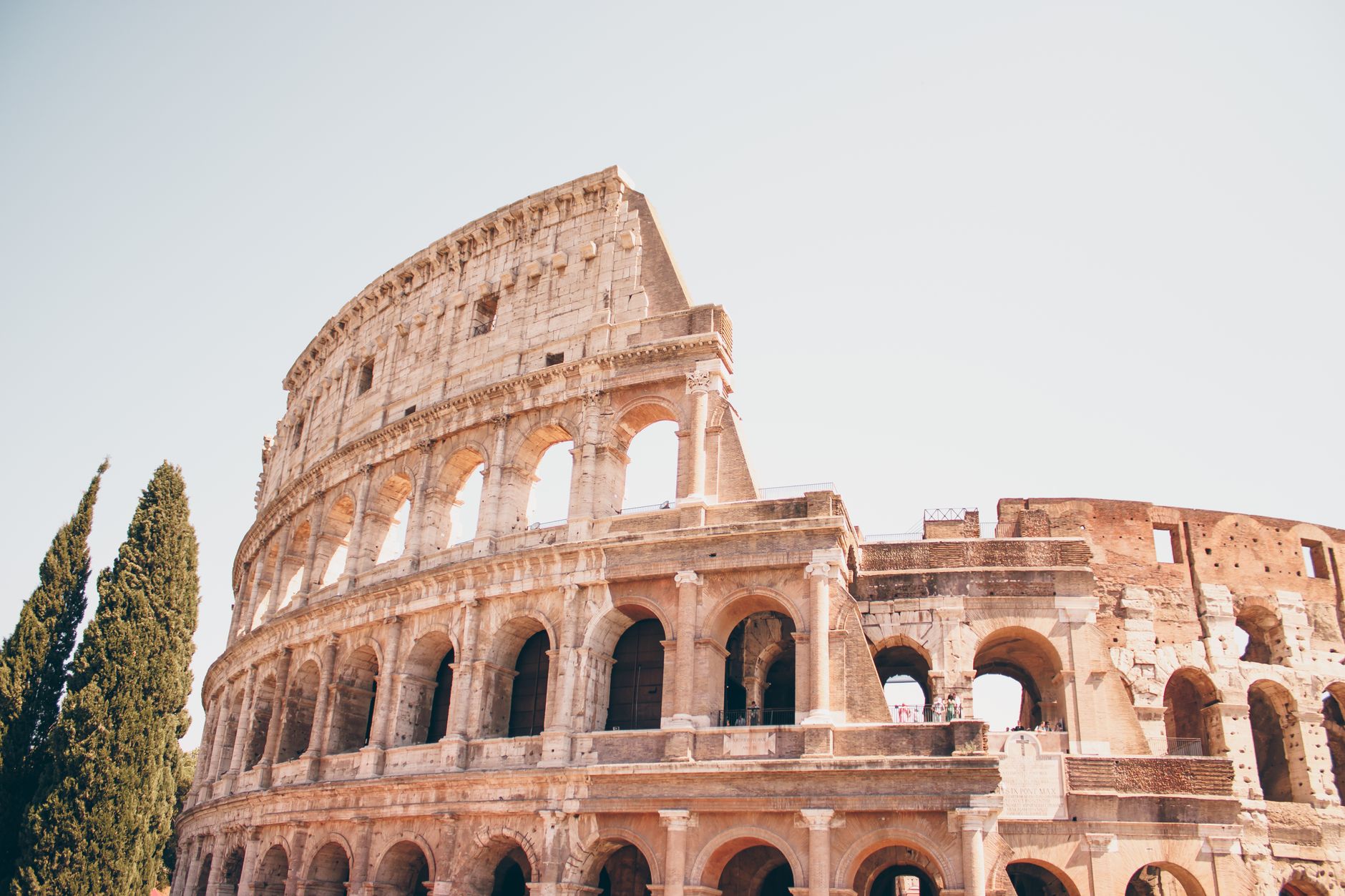
The Colosseum, an iconic symbol of Rome, has a rich history filled with various uses that date back to its construction in 70-80 AD. Originally known as the Flavian Amphitheater, this grand structure served not only as a venue for entertainment but also played a role in showcasing the might of the Roman Empire. Understanding what the Colosseum was used for provides insight into the cultural and social dynamics of ancient Rome.
In this article, we will explore the various purposes of the Colosseum, its historical significance, and what travelers can experience during their visit today. From gladiatorial contests to public spectacles, the Colosseum was a multifaceted space reflecting the complexities of Roman society.
What Was The Colosseum Used For?
The Colosseum was primarily used for various forms of public spectacles, including gladiatorial contests, animal hunts, and dramatic reenactments of historical battles. These events were a key part of Roman social life, often attended by thousands of spectators. Beyond entertainment, the Colosseum also served as a tool for political propaganda and societal control.
Gladiatorial Contests
One of the most famous uses of the Colosseum was for gladiatorial contests. These spectacular events featured trained fighters, or gladiators, who engaged in combat for the entertainment of the crowd. Gladiatorial games often attracted massive audiences, with some events reportedly attended by up to 80,000 spectators.
- Why Gladiators? Gladiators were often slaves, prisoners of war, or criminals, forced to fight for survival. However, some volunteered in hopes of gaining fame and fortune.
- Variety of Fights: Fights could vary from one-on-one battles to larger skirmishes involving multiple gladiators, showcasing skilled combat and brutal displays of violence.
- Class Dynamics: These contests also served to reinforce class distinctions, with the wealthy viewing the bloody spectacles from privileged seating while the lower class occupied less desirable locations.
Venationes: Animal Hunts
Alongside gladiator battles, the Colosseum hosted venationes, or animal hunts. These events involved the hunting and killing of various exotic animals imported from across the Roman Empire, adding an exciting and dangerous element to the shows.
- Types of Animals: The hunts typically featured lions, tigers, elephants, and bears, creating spectacles that were both frightening and thrilling for onlookers.
- Combat with Gladiators: Some hunts pitted gladiators against wild animals, blurring the line between hunter and hunted and heightening the drama of the spectacle.
- Political Symbolism: These hunts also had a significant political undertone, reflecting Rome’s power and control over nature and its empire.
Dramatic Reenactments
In addition to gladiatorial fights and animal hunts, the Colosseum hosted dramatic reenactments of famous battles and myths, often utilizing elaborate sets and props to create immersive experiences for spectators.
- Historical Battles: Events could mimic famous victories, and the staging of battles allowed Roman leaders to demonstrate their military prowess and celebrate conquests.
- Mythological Themes: Reenactments also featured stories from Roman mythology, reinforcing cultural norms and societal values through performance art.
Public Executions
The Colosseum also served as a site for public executions, which were often incorporated into the entertainment program. This served to reinforce the power of the state and the consequences of defying Roman law.
- Methods of Execution: Executions were often gruesome, showcasing various methods meant to instill fear in the population.
- Spectacle of Punishment: The public nature of these events drew large crowds, transforming punishment into public spectacle, which was a means of educating the populace on the law.
Political Propaganda
The events held at the Colosseum were not simply for entertainment; they served as a powerful tool for emperors to gain popularity and support from the masses.
- Emperor’s Influence: With free entry, emperors ensured that the populace remained engaged and entertained, often using events to distract from political issues.
- Symbol of Power: The grandeur of the arena and the lavishness of the events reflected the wealth and benevolence of the ruling emperor.
The Evolution of Uses
As society changed, so did the role of the Colosseum. After the fall of the Western Roman Empire, the amphitheater ceased to host its original events and faced neglect.
- Medieval Period: During the Middle Ages, it was repurposed for various needs, including housing, workshops, and even as a fortress.
- Renaissance & Beyond: In the Renaissance, the Colosseum began to be viewed as an iconic monument, eventually leading to preservation efforts that recognized its historical significance.
Visiting The Colosseum Today
Today, the Colosseum is one of Rome’s most visited landmarks and remains a testament to ancient architecture and engineering. When planning a visit, here are key points to consider:
Best Time to Visit
Although the Colosseum is open year-round, the best time to visit is during the spring (April to June) and fall (September to October), when temperatures are milder and crowds are smaller. If you prefer fewer visitors, consider planning your visit early in the morning or late in the afternoon.
Tickets and Tours
Tickets can be purchased in advance online, which is highly recommended to avoid long queues. Guided tours are an excellent option for a deeper understanding of the Colosseum’s history, including access to areas that may not be available to general entry ticket holders.
- Audio Guide: For a self-guided experience, consider renting an audio guide that provides insightful commentary on the Colosseum’s history and architectural features.
- Combination Tickets: Look for combination tickets that include entry to nearby attractions, such as the Roman Forum and Palatine Hill, making the most of your visit.
What to Expect
Upon entering, visitors can explore the arena floor, the stands, and the underground chambers known as the hypogeum, where gladiators and animals waited before their battles. Be prepared to encounter significant crowds, especially during peak tourist season.
Transportation and Accessibility
The Colosseum is easily accessible via Rome’s public transportation system. The nearest metro stop, Colosseo, is just a short walk away. For those traveling by bus, several routes have stops nearby, making it convenient for exploration.
Accessibility for visitors with physical disabilities is available, with ramps and designated areas within the amphitheater. However, be sure to check for any updates regarding accessibility options before your visit.
Nearby Attractions
In addition to the Colosseum, the surrounding area is rich with history. Here are some must-see attractions nearby:
- The Roman Forum: A sprawling complex of ancient ruins that was once the heart of Roman political and social life. Entry is often included with Colosseum tickets.
- Palatine Hill: A fascinating area filled with ruins of palaces, offering stunning views of the Forum and beyond.
- Arch of Constantine: Adjacent to the Colosseum, this monumental arch commemorates Constantine I and is an essential part of Roman history.
Accommodation Options
Staying near the Colosseum makes it easier to explore Rome’s historic center. Here are some recommended areas and accommodation types:
Historic Center
The historic center of Rome provides numerous hotels, hostels, and vacation rentals. This area allows easy access to various attractions, restaurants, and cafes.
Trastevere
Known for its vibrant atmosphere, Trastevere offers a variety of accommodations and excellent dining options. The area is a bit farther from the Colosseum but accessible via public transportation.
Testaccio
For a more local experience, consider staying in Testaccio. This neighborhood is less touristy and provides a glimpse of authentic Roman life, along with good restaurants and bars.
Budget Considerations
When planning a trip to the Colosseum and surrounding areas, consider your budget carefully. Here are a few tips for managing costs:
- Entry Fees: Check for current ticket prices and potential discounts for students or seniors. Booking in advance can save money.
- Free Days: Some museums and attractions offer free entry on certain days of the month; research ahead to take advantage.
- Cafes and Dining: Dining in tourist-heavy areas can be costly. Opt for local eateries away from major sights for more affordable, authentic meals.
Practical Planning Tips
To make the most of your visit, consider the following practical tips:
- Wear Comfortable Shoes: Exploring the Colosseum and surrounding attractions involves walking on uneven surfaces, so wear comfortable footwear.
- Stay Hydrated: Carry a water bottle, as the summer can be hot. Various fountains are available around Rome where you can refill.
- Check the Weather: Rome’s weather can vary greatly. Dress in layers and be prepared for sudden changes, especially if visiting during the shoulder seasons.
Accessibility and Safety
While the Colosseum is accommodating, it’s a good idea to review current accessibility options ahead of your visit to ensure a smooth experience. Regarding safety, Rome is generally safe for tourists, but as in any major city, it’s wise to keep an eye on personal belongings and remain vigilant in crowded areas.
The Colosseum is not just an architectural marvel, but a deep reservoir of history, revealing much about Rome’s culture and society. Visitors today can experience a glimpse into this transformative era through its stone walls and echoing arenas.
With careful planning, a trip to the Colosseum can be a memorable journey through time. From gladiator battles to majestic architecture, those who explore its grounds will leave with a greater appreciation of ancient Rome’s grandeur.
To further enhance your Roman adventure, explore related destination guides and travel-planning articles. Discover where to find Rome at this guide, or check out things to do in Lebanon, Ohio.