
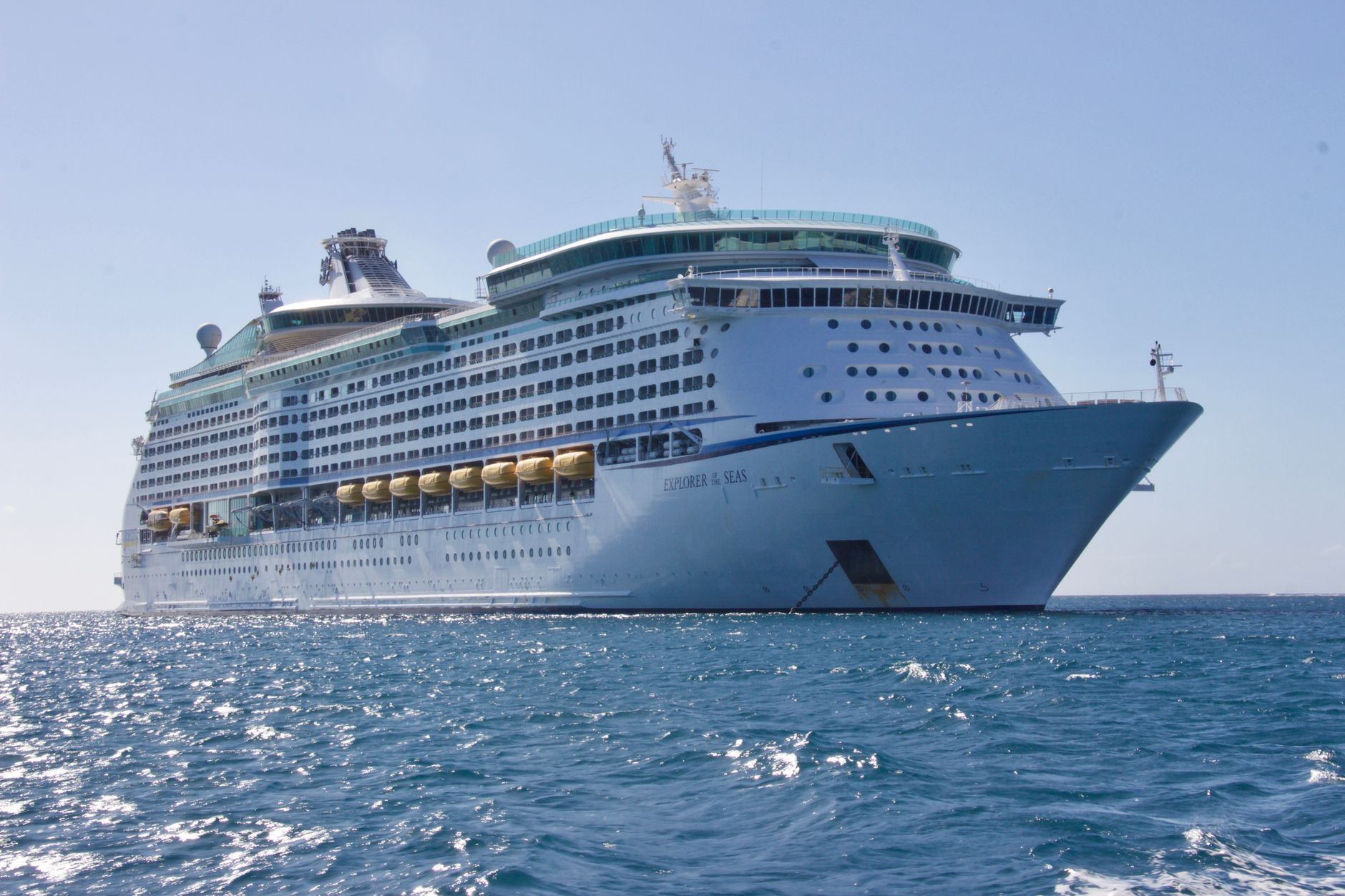
Cruise ships offer a unique blend of relaxation and adventure, enticing travelers with the promise of exploring various destinations while indulging in onboard luxury. One question that often arises is: how fast does a cruise ship go? Understanding the speed of cruise ships can enhance your travel experience and help you plan your itinerary more effectively.
In this article, we will dive into the factors affecting cruise ship speed, the average speeds of various types of cruise liners, and what this means for your journey on the high seas. With the right information, you’ll be better equipped to anticipate travel times between port stops and overall cruise duration.
How Fast Does A Cruise Ship Go?
The average speed of a cruise ship ranges between 20 to 25 knots, equivalent to approximately 23 to 29 miles per hour (37 to 46 kilometers per hour). However, different classes of ships and specific routes can influence this speed, along with varying weather conditions and the design of the ship itself.
Most modern cruise ships prioritize comfort and efficiency, aiming to strike a balance between speed and passenger enjoyment. Below, we will examine the factors that influence how fast a cruise ship can travel, the distinctions between different ship types, and frequently asked questions regarding cruise ship speed.
Factors Affecting Cruise Ship Speed
Several factors determine how fast a cruise ship can go, including:
- Ship Design: The specific design and purpose of the cruise ship matter. For instance, large vessels designed for luxury often prioritize stability and comfort over speed.
- Engine Type: The type of engines and propulsion systems used can significantly affect a ship’s maximum and cruising speeds. Modern cruise ships utilize advanced technology to optimize performance.
- Weather Conditions: High winds, rough seas, and adverse weather conditions can all impact a cruise ship’s speed. Captains may adjust course or speed for safety.
- Route: Some itineraries are designed with more direct routes, while others may include detours for scenic beauty or to avoid obstacles, affecting overall travel time.
- Regulations: Environmental regulations and speed limits in certain maritime zones can also restrict a vessel’s speed.
Average Speed of Different Cruise Ships
Understanding the various types of cruise ships can provide insight into their average speeds. Here’s an overview of some common ship categories:
Mainstream Cruise Ships
Mainstream cruise lines, such as Carnival, Royal Caribbean, and Norwegian, typically operate at an average speed of 20 to 24 knots (about 23 to 28 miles per hour). These ships are designed for a diverse range of passengers and often feature a plethora of onboard activities.
Premium Cruise Ships
Premium cruise lines like Celebrity and Holland America Line generally maintain slightly higher speeds, averaging around 25 knots (approximately 29 miles per hour). These ships focus on a more refined onboard experience, catering to travelers seeking a higher level of service.
Luxury Cruise Ships
Luxury cruise lines, including Silversea and Seabourn, may have an average cruising speed close to 18 to 20 knots (about 21 to 23 miles per hour). Though these ships often travel slower, they make up for it by offering exceptional comfort and high-quality service.
Expedition Cruise Ships
Expedition cruise ships tend to travel at slower speeds, averaging around 12 to 15 knots (about 14 to 17 miles per hour), as they navigate to remote and often challenging destinations. Their focus is on exploration and immersion in nature rather than speed.
Travel Times on a Cruise Ship
The time it takes to travel between ports can vary considerably based on the factors listed earlier. Here’s how you can estimate travel times based on ship speed:
- At an average speed of 20 knots, a cruise ship will cover approximately 480 nautical miles (about 552 miles) in 24 hours.
- This means you can calculate travel time by dividing the distance between ports by the ship’s cruising speed.
- For example, if two ports are 240 nautical miles apart, it would take about 12 hours to travel that distance at a speed of 20 knots.
Understanding Port Stops: Itineraries and Planning
Knowing the speed of your cruise ship helps in planning your itinerary effectively. Most cruise itineraries allow sufficient time in each port for excursions and onboard activities. Here’s a simple breakdown of typical cruise lengths and speeds:
Typical Itinerary Example
- Day 1: Depart from port, travel to the next destination, typically taking 12–18 hours depending on distance and speed.
- Day 2: Arrival at the first port of call. Passengers disembark for excursions, typically spending a full day exploring.
- Day 3: Sail to the next port. Allow for another 12–18 hours of travel time.
- Day 4: Dock at the second port and enjoy activities.
- Day 5: Onboard activities and relaxation day, allowing time to experience onboard amenities.
- Day 6: Return sail to departure port, traveling overnight.
This example provides an efficient flow of time at sea and ashore, with a balance of cruise ship speed, activities, and relaxation.
Tips for Making the Most of Your Cruise Experience
To further enhance your cruise experience, consider these practical tips:
- Plan for Delays: Always allow for potential delays, whether due to weather, port congestion, or other factors. This ensures you won’t miss potential excursions or experiences.
- Check Itinerary Details: Review your cruise itinerary thoroughly to understand travel times and port arrival/departure times.
- Participate in Onboard Activities: While at sea, take advantage of onboard activities, shows, and relaxation options available on the cruise, creating a well-rounded vacation experience.
- Stay Informed: Keep an eye on announcements about weather and cruise schedules through the ship’s app or other communication channels.
Frequently Asked Questions
As you prepare for your cruise, you might have additional questions. Here are some frequently asked questions related to cruise ship speed:
Can Cruise Ships Go Faster Than 30 Knots?
While most traditional cruise ships cruise at speeds between 20 and 25 knots, some high-speed vessels or catamarans, primarily in the luxury sector, can reach upwards of 30 knots. However, these are exceptions rather than the norm.
Is Speeding Risky on a Cruise Ship?
Speeding can pose safety risks, particularly during adverse weather or near congested ports. Cruise ships prioritize safety and adhere to established maritime speed limits.
How Can I Track My Ship’s Speed While Onboard?
Most modern cruise ships have sophisticated technology that provides real-time updates on speed, location, and travel distance. These details can often be found on the ship’s app or display screens in common areas.
Conclusion
Understanding how fast a cruise ship goes can significantly enhance your travel planning and experience. With an average speed of 20 to 25 knots and various factors influencing travel times, being aware of your cruise ship’s speed will help you make the most of your time at sea and at port. For future travelers keen on a cruise getaway, it’s worthwhile to bookmark this knowledge as you embark on your nautical adventures.
For more information on cruising, check out how cruise ships operate at different speeds and read about associated costs to help you plan your next getaway effectively at How Fast Do Cruise Ships Go? and How Much Does a Cruise Ship Cost?.