
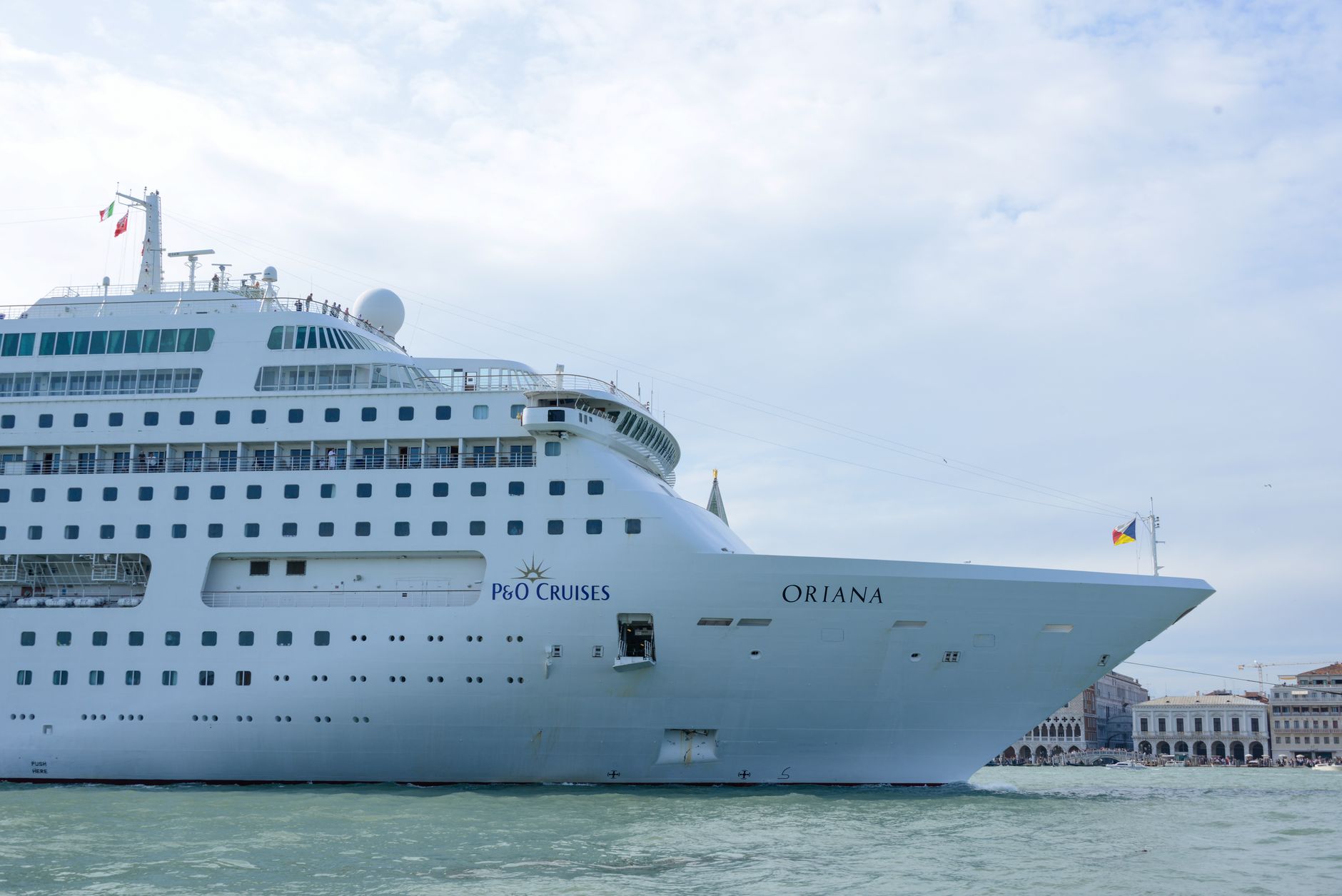
A cruise ship represents not only a means of transportation but also an environment for leisure, entertainment, and exploration. Understanding how much a cruise ship costs can help prospective travelers plan their budgets and navigate options. From initial bookings to onboard expenditures, every aspect of the cruise experience can impact overall costs.
In this article, we will examine various factors influencing cruise ship prices. We will break down costs associated with buying or chartering a cruise ship, the different types of cruises available, and essential budgeting tips to help you make informed decisions for your next cruise adventure.
How Much Does A Cruise Ship Cost?
The cost of a cruise ship can vary significantly based on factors such as its size, type, amenities, and age. On average, the price for a new cruise ship ranges from $200 million to over $1 billion, while used ships can cost anywhere from $10 million to $150 million. Chartering a cruise ship offers another dimension of pricing, generally ranging from $100,000 to several million dollars, depending on the destination and duration.
Factors Affecting the Cost of a Cruise Ship
Several key factors influence the price of a cruise ship, whether you are looking to purchase or charter one. Understanding these factors can help you gauge costs more accurately.
1. Ship Size and Capacity
The size of the cruise ship, measured in gross tonnage, and its passenger capacity play a significant role in cost. Larger ships with a capacity for thousands of passengers typically incur higher construction and operational costs. They often feature more amenities, which can also impact the price.
2. Amenities and Features
Ships equipped with advanced amenities such as water parks, theaters, fine dining restaurants, and state-of-the-art fitness facilities are often pricier. Luxury cruise lines may offer all-inclusive packages with premium services, further affecting pricing structures.
3. Ship Age and Condition
Newer ships generally come with a higher price tag due to modern features and technology. In contrast, older ships can be significantly cheaper but may require more maintenance. Buyers must weigh the pros and cons of investing in an older vessel versus a new ship.
4. Destination and Itinerary
The intended routes and destinations can also influence pricing. Some regions have higher operational costs due to regulations or limited docking facilities, impacting the overall price of cruises. Popular itineraries may see heightened demand, leading to increased costs.
5. Seasonality
Cruise prices may fluctuate based on the season. For example, winter holiday cruises or summer vacation voyages are often priced higher due to demand. Off-peak months may offer lower rates, but experiences might differ significantly.
6. Cruise Line Type
The cruise line you choose also significantly impacts cost. Luxury lines tend to charge more for exclusive offerings, while budget lines focus on providing a basic experience at lower prices. Researching various cruise lines can help determine the best value for your budget.
Understanding Cruise Pricing
Once you’ve selected a cruise, understanding how its pricing model works is crucial for budgeting. Here are some components of cruise pricing to consider:
1. Base Fares
The base fare is the initial cost you’ll encounter when booking your cruise. This often includes accommodations, meals, entertainment, and certain onboard activities. Understanding what is included in your base fare helps you assess the value of the cruise.
2. Taxes and Fees
In addition to the base fare, cruises often include taxes, port fees, and service charges. These additional costs can vary by itinerary and are important to factor into your overall budget. Reviewing the fine print before booking can provide clarity on these expenses.
3. Gratuities
Cruise lines typically recommend automatic gratuity charges for onboard services such as dining and housekeeping. These charges can range from $15 to $20 per day per passenger and can add up quickly on longer cruises. It’s wise to factor in these additional costs when accounting for your trip budget.
4. Shore Excursions
Many cruises offer shore excursions that allow you to explore the destination. While some excursions are included in the cruise fare, many require additional fees. Expect to pay anywhere from $50 to over $200 per person for these experiences, depending on the destination and activity type.
5. Specialty Dining and Onboard Activities
While many meals are included, specialty dining options or exclusive experiences often come at an additional cost. This includes dining at fine restaurants onboard or activities such as spa treatments and premium entertainment. An additional $50 to $200 can be expected for these experiences.
6. Beverage Packages
Alcoholic beverages, specialty coffees, and certain sodas are typically not included in the cruise fare. Beverage packages can cost around $50 to $100 per person per day but may be worth your while if you enjoy drinks throughout your cruise. Evaluate your drinking habits to determine if a package will save you money.
Buying vs. Chartering a Cruise Ship
If you’re considering a cruise venture beyond standard travel, you might find yourself weighing the options between buying or chartering a cruise ship. These two pathways can lead to vastly different financial commitments.
Chartering a Cruise Ship
Chartering a cruise ship can provide a unique experience for groups or organizations looking for a customized travel itinerary. Charter costs can vary significantly based on the ship size, amenities, itinerary, and duration.
- Small ships (around 100 passengers) can be chartered for as low as $100,000 for a week.
- Mid-sized ships (up to 800 passengers) may range from $500,000 to a million dollars for a week.
- Larger ships (over 2,000 passengers) will likely start at several million dollars for a charter, depending on the specific services you require.
In most cases, chartering a ship is suited for large family gatherings, corporate events, or special celebrations, allowing you more flexibility in itinerary and cruise experience.
Buying a Cruise Ship
Buying a cruise ship entails a more substantial investment. The process can be complex, requiring thorough research and consideration of operating costs. Potential costs include:
- Purchase price ranging from $10 million (used ships) to $1 billion (new builds).
- Operational costs, including crew salaries, maintenance, insurance, fuel, and port fees.
- Regulatory compliance and required modifications based on location and labor laws.
For most individuals or small organizations, buying a cruise ship might not be feasible or practical, focusing instead on chartering for special occasions.
Budgeting for Your Cruise Experience
Budgeting for a cruise experience can seem overwhelming. However, by considering a few practical tips, you can keep costs manageable and enjoy your journey without financial stress.
1. Set a Budget
Establish a budget before you begin researching cruises. Consider not only the cruise fare but also additional costs such as meals, excursions, and drinks. This budget will help you remain focused during your search.
2. Compare Cruise Lines
With numerous cruise lines available, take the time to compare offerings, amenities, and value for money. Look out for discounts or promotions that may be running, as these can help significantly reduce overall costs.
3. Consider All-Inclusive Options
If you want to simplify expenses, all-inclusive cruise options may cover meals, drinks, gratuities, and excursions. Although they may have a higher upfront cost, all-inclusive options can often lead to savings compared to paying for each item separately.
4. Book Early or Last Minute
Booking a cruise well in advance can secure better rates, as cruise lines often offer discounts several months before sailing. Alternatively, last-minute bookings may also yield significant deals, though availability may vary.
5. Look for Package Deals
Some travel agencies and cruise lines provide package deals that include airfare, accommodations, and the cruise itself. These bundled options can save you money compared to booking each component separately.
6. Monitor Promotions and Sales
Stay vigilant for marketing promotions and flash sales from your preferred cruise lines. Subscribing to newsletters and following cruise line social media channels can keep you informed about potential savings.
Choosing the Right Cruise for Your Budget
Choosing the right cruise based on your budget and preferences is key to a successful vacation. Here’s what to consider:
1. Determine Your Travel Style
Understanding your travel style will help you choose the right cruise. Luxury travelers may be more interested in exclusive options, while budget travelers focus on affordability. Determine your priorities and preferences before embarking on your search.
2. Research the Destinations
Some destinations tend to be pricier than others. If you’re willing to explore lesser-known cruise routes, you may find significant savings. Caribbean, Alaska, and Mediterranean cruises are often popular, but exploring new routes could yield hidden gems at lower rates.
3. Analyze Onboard Offerings
Different cruise lines cater to varying interests and demographics. Families, couples, and solo travelers may all find suitable options in specific cruise lines based on their themes and offerings. Research onboard activities to ensure there is enough to keep you entertained throughout your voyage.
4. Flexible Travel Dates
Being flexible with your travel dates can help you score better deals. If you’re open to traveling during off-peak seasons, especially during school periods or holiday seasons, you could save significantly on fares.
Final Thoughts on Cruise Costs
The cost of a cruise can fluctuate widely based on multiple factors. Understanding these variables can empower travelers to make informed decisions and budget wisely. Always keep in mind potential additional expenses beyond the cruise fare itself.
Whether you’re looking to charter for a unique journey or invest in a cruise ship, doing thorough research can help tailor your experience to your needs. By planning ahead and exploring different options, you can enjoy an unforgettable cruise without overspending.
For those considering a cruise adventure, start your research early to find the best deals, destinations, and experiences that fit within your budget. Happy cruising!
For more travel insights and ideas, explore our related guides on local attractions and travel planning, including general travel tips and explore things to do in Hampton Roads.