
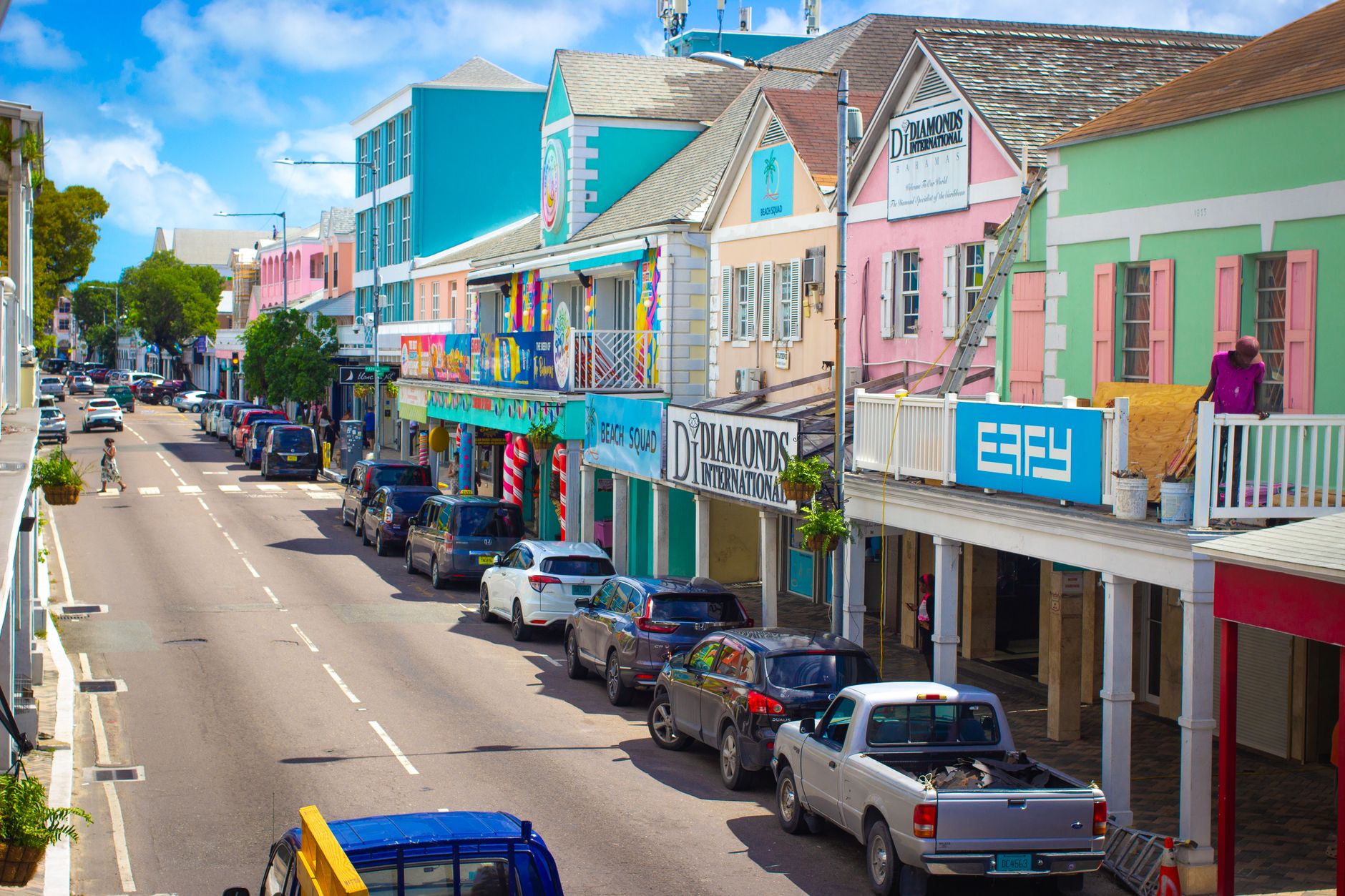
Cuba is a vibrant destination known for its rich cultural heritage, stunning landscapes, and historical significance. With a blend of colonial architecture, warm tropical climate, and lively music, the island draws travelers interested in history, nature, and relaxation alike.
This guide will delve into what Cuba is known for, covering its famous landmarks, local cuisine, recreational activities, and practical travel tips to help you plan your trip effectively.
What Is Cuba Known For?
Cuba is primarily known for its warm hospitality, unique history, classic cars, colorful architecture, stunning beaches, and world-renowned cigars. The cadence of salsa music and the aroma of rich coffee fill the air, offering visitors a captivating glimpse into Cuban life.
Cuban Culture and Heritage
Cuba’s culture is a blend of African, Spanish, and indigenous influences, which manifests in its music, dance, art, and culinary traditions. The island’s storied past, marked by colonization, revolution, and resilience, profoundly influences its contemporary identity.
Music and Dance
Cuban music is globally renowned, with genres like salsa, son, and bolero originating from the island. The infectious rhythms encourage visitors to join in the vibrant dance culture, and many enjoy live music at local venues.
Art and Literature
The visual arts thrive in Cuba, with a rich scene showcased in numerous galleries, street art, and public murals. Cuban literature has produced many notable figures, forging a connection to the island’s history and society.
Carnival and Festivals
Cuba hosts several festivals that highlight its diverse heritage. The Havana Carnival, celebrated in July, showcases vibrant parades, music, and dance. The Festival del Nuevo Cine Latinoamericano celebrates Latin American cinema and attracts film enthusiasts from all over.
Iconic Landmarks and Attractions
Cuba’s landscape is dotted with handsome colonial towns, sprawling tobacco fields, and stunning coastal vistas. The following attractions are essential stops for any visitor:
Old Havana (Habana Vieja)
Old Havana, a UNESCO World Heritage site, is a historical treasure. Colorful buildings line cobblestone streets, home to museums, art galleries, and lively squares. The iconic Malecón is perfect for leisurely strolls along the coast.
Morro-Cabana Fortress
Overlooking Havana Bay, this fortress offers panoramic city views and a glimpse into Cuba’s colonial military history. The sunset here is particularly breathtaking.
Viñales Valley
Famous for its striking limestone mountains and lush tobacco fields, Viñales Valley provides excellent opportunities for hiking, horseback riding, and exploring traditional tobacco farms. Visitors can learn about cigar production during guided tours.
Trinidad
Another UNESCO World Heritage site, Trinidad boasts cobblestone streets and beautifully preserved colonial architecture. The vibrant atmosphere includes artisan markets, lively music, and nearby natural attractions like Topes de Collantes National Park.
Varadero Beach
One of the Caribbean’s most famous beaches, Varadero is known for its powdery white sand and crystal-clear waters. It’s a hub for water sports, luxury resorts, and beachside relaxation.
Cuban Gastronomy
The cuisine in Cuba reflects its cultural influences. Traditional dishes are often hearty and flavorful, with rice and beans present in most meals.
Must-Try Dishes
- Ropa Vieja: Shredded beef cooked in a savory tomato sauce, often served with rice and beans.
- Lechón: Slow-roasted pork marinated in citrus and spices, a popular dish during celebrations.
- Moros y Cristianos: Black beans and white rice cooked together, a staple side dish.
- Yuca: A starchy root vegetable often served boiled or fried, typically accompanied by garlic sauce.
- Tostones: Fried green plantains that are crunchy and delicious, often served as a snack or side dish.
Cuban Drinks
Cuban beverages complement the culinary experience. Notable drinks include:
- Mojiito: A refreshing cocktail made with rum, mint, lime, and sugar.
- Daiquiri: A classic Cuban drink that combines rum, lime juice, and sugar.
- Cuban Coffee: Known for its strong flavor and espresso-like qualities, often enjoyed as a quick pick-me-up.
Famous Cuban Cigars
No discussion of Cuba is complete without mentioning its cigars, which are considered among the best in the world. The traditional methods of cultivation and rolling contribute to their unique quality.
Cigar Tours
Visitors can take guided tours of cigar factories in Havana and Viñales where they can learn about the cigar production process and enjoy tastings. This experience significantly enriches any trip to the island.
Outdoor Adventures
Cuba’s diverse geography offers numerous opportunities for outdoor enthusiasts. Visitors can engage in activities ranging from snorkeling and diving to hiking and rock climbing.
Snorkeling and Scuba Diving
The clear waters surrounding Cuba are ideal for underwater exploration. Popular diving spots include the Bay of Pigs and Maria La Gorda, known for vibrant coral reefs and marine life.
Hiking in National Parks
Cuba’s national parks, such as Parque Nacional Viñales and Parque Nacional Topes de Collantes, offer hiking trails through lush landscapes and unique ecosystems. Many trails cater to varying skill levels.
Exploring Caves
The island features several impressive cave systems, including the Bellamar Caves and Cueva del Indio. Guided tours often include fascinating history and geology, as well as beautiful natural formations.
Transportation in Cuba
Getting around Cuba can be an adventure in itself, with several options available depending on your travel style and budget.
Air Travel
International flights primarily land at José Martí International Airport in Havana. Domestic flights are available to major cities and tourist destinations. Always check for the latest flight availability and schedules.
Bus Services
Viazul buses provide a comfortable and economical way to travel between cities. Advance reservations are recommended, especially during peak seasons.
Local Transport
In cities, you can opt for vintage taxis, shared taxis (colectivos), or ride-hailing apps available in key areas. Bicycles and horseback riding offer a scenic way to navigate places like Viñales and Trinidad.
Where to Stay in Cuba
Cuba’s accommodation options cater to all budgets. From luxury resorts to budget guesthouses (known as casas particulares), there’s a type of stay for everyone.
Luxury Resorts
Popular destinations like Varadero and Havana have several all-inclusive resorts and high-end hotels that offer amenities like pools, restaurants, and spas.
Mid-Range Options
Mid-tier hotels and boutique accommodations provide comfort without breaking the bank. In Havana, you can find charming casas particulares in historic neighborhoods.
Budget Options
Hostels and budget guesthouses are available throughout the country, offering affordable lodging and an opportunity to meet fellow travelers.
When to Visit Cuba
Cuba has a tropical climate, making it a year-round destination. However, the best time to visit is from November to April when the weather is generally dry and pleasant.
Weather Considerations
The summer months can be hot and humid, with a higher chance of rain. Hurricane season, from June to November, brings potential storm activity, so travelers should monitor forecasts if visiting during this time.
Length of Stay
For a fulfilling experience, consider staying at least a week. This timeframe allows time to explore Havana, venture to Viñales, and unwind on the beaches.
Budget Considerations
Your budget will largely depend on your travel style, but Cuba can be an affordable destination if you plan wisely. Here are some factors to keep in mind:
Daily Expenses
- Accommodation: Budget stays can range from $20 to $50 per night, while mid-range can span $50 to $150.
- Meals: Eating at local restaurants, known as paladares, can cost under $10, while dining at higher-end places may be $20 or more.
- Transportation: Public transport is economical, but taxis can add up. Buses between cities are an affordable option.
Currency Considerations
Cuba uses the Cuban Peso (CUP) for everyday transactions, while foreign currency (Euro, US Dollar) is exchanged for the Cuban Convertible Peso (CUC), although there have been shifts in currency systems. It’s advisable to check current exchange rates before traveling.
Safety and Accessibility
Cuba is generally safe for travelers, but like any destination, it’s important to take common-sense precautions. Keep your belongings secure, avoid displaying valuables, and be cautious at night in unfamiliar areas.
Health Considerations
Travelers should check necessary vaccinations before visiting. Tap water is not safe to drink; bottled water is widely available.
Accessibility
Cuba has made strides in improving accessibility, but some areas, especially older buildings, may have limited facilities for those with mobility issues. It’s best to do research on specific accommodations for any special requirements.
Your Next Steps
Cuba is renowned for its rich culture, stunning scenery, and warm hospitality. Now that you know what Cuba is known for, it’s time to plan your adventure.
To get the most out of your trip, consider the highlights mentioned, plan your itinerary based on personal interests, and stay informed about entry requirements and travel advisories.
Take the next step in your travel journey and explore how Americans can travel to Cuba or discover things to do in Cuba to help you map out your perfect itinerary.