
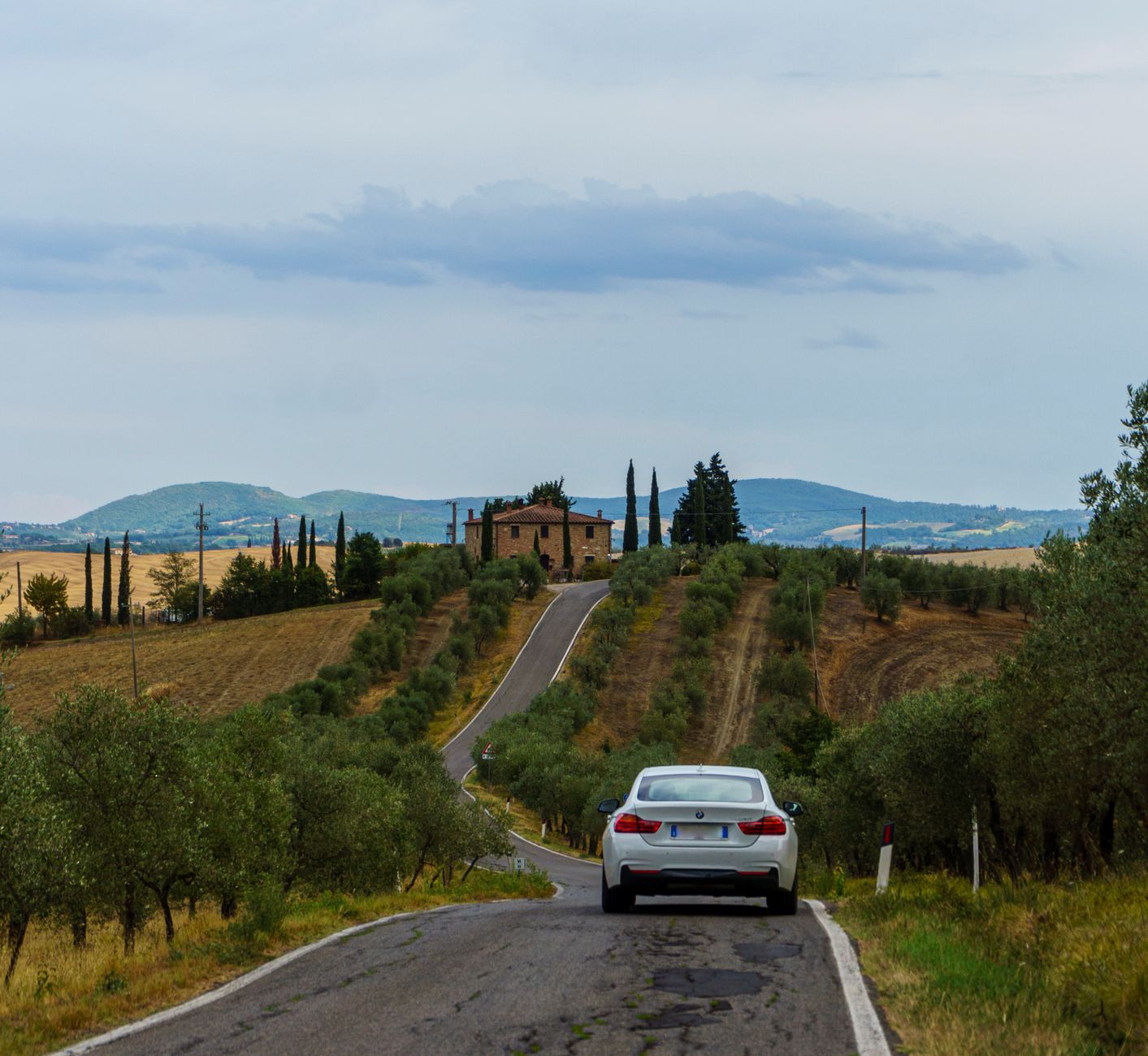
When planning a trip to Italy, understanding the country’s driving regulations is crucial, especially if you’re considering renting a car. One of the first questions travelers typically have is, “What side of the road does Italy drive on?” Knowing this can ensure a smoother driving experience and enhance your overall trip.
In Italy, vehicles drive on the right-hand side of the road. This means that the driver’s seat is on the left side of the vehicle. Familiarizing yourself with these details, along with local rules and road conditions, will help you navigate Italy’s scenic routes safely.
What Side Of The Road Does Italy Drive On?
Italy drives on the right side of the road. This is consistent with many other European countries, making it easier for travelers from neighboring nations to adapt quickly. Understanding this is fundamental for both foreign tourists and locals alike.
Understanding Italian Road Rules
Aside from knowing which side of the road to drive on, it’s essential to be familiar with Italy’s road rules and regulations. Here are some key points to keep in mind:
- Speed Limits: The speed limits in Italy vary based on the type of road. In urban areas, the limit is typically 50 km/h (31 mph), while on highways, it may reach 130 km/h (81 mph) under ideal conditions.
- Seatbelts: Wearing seatbelts is mandatory for all passengers, both in the front and back seats.
- Alcohol Limit: The legal blood alcohol limit is 0.05%. For novice drivers (with less than three years of experience), the limit is zero.
- Mobile Phones: Using a mobile phone while driving without a hands-free device is prohibited.
- Parking Regulations: Pay attention to parking signs. Street parking may be limited or require payment in some areas.
Renting a Car in Italy
If you decide to rent a car in Italy, there are several things to consider:
- Rental Requirements: You typically need a valid driving license, a major credit card, and be at least 21 years old (with possible additional fees for drivers under 25).
- Type of Vehicle: Consider renting a smaller vehicle, especially if you plan to drive in cities or narrow mountain roads. Streets in many Italian towns can be quite narrow.
- Insurance Options: It is recommended to get comprehensive insurance coverage for peace of mind during your travels.
- GPS Navigation: A GPS can be very helpful. Alternatively, download offline maps to save data while traveling.
Checking Rental Policies
Always read the rental agreement thoroughly and check for any specific policies regarding fuel, mileage, and insurance coverage. Make sure to clarify any additional charges and what is included to avoid surprises later.
Alternative Transportation Methods
While driving a car can provide great freedom during your travels, Italy offers numerous alternative transportation options, especially in cities:
- Public Transportation: Most Italian cities have efficient public transportation systems, including buses, trams, and metro services. Consider getting a transportation pass to save money.
- Trains: Italy has an extensive train network, which makes traveling between cities simple and convenient. High-speed trains connect major cities like Rome, Florence, and Milan efficiently.
- Bicycles: Many cities are bike-friendly, and renting a bicycle can be a delightful way to explore urban areas at a leisurely pace.
- Taxis and Ride-Sharing: Taxis are available in most cities, and ride-sharing services like Uber are found in certain areas, but availability may be limited.
Driving Etiquette in Italy
Understanding local driving culture is vital to having a positive experience. Here are some pointers:
- Be Courteous: Italians can be quite animated on the road, so it’s advisable to stay calm and patient. Tailgating is common, but try to maintain a safe distance.
- Roundabouts: In roundabouts, vehicles already inside the circle have the right of way. Always signal before exiting.
- Pedestrian Crossings: Always yield to pedestrians at crosswalks.
- Emergency Vehicles: If you hear sirens, move aside and give way to emergency vehicles as they may pass quickly.
Driving in Urban Areas vs. Countryside
Driving in busy cities can be quite different from cruising through the countryside. Here’s what to expect:
Urban Driving
Italian cities like Rome and Milan have heavy traffic and limited parking. ZTLs (Zona a Traffico Limitato) restrict vehicle access to certain areas to reduce congestion. Make sure to familiarize yourself with these zones to avoid fines.
Countryside Driving
The countryside presents a different experience with more scenic routes. Roads are generally less congested, but may be narrow and winding. Stay alert for cyclists and livestock when driving in rural areas.
Ideal Places to Drive in Italy
When planning road trips in Italy, there are several routes and destinations worth considering:
- Amalfi Coast: Known for stunning coastal views and charming villages like Positano and Ravello, the drive here is an iconic experience.
- Tuscany: The rolling hills and vineyards make Tuscany a picturesque driving destination. Consider routes visiting cities like Florence and Siena.
- Lake Como: Driving around Lake Como offers beautiful landscapes and a chance to visit luxurious villas and quaint towns.
- Cinque Terre: Although driving directly to the villages is limited, having a car will allow you to explore the surrounding areas easily.
Safety Considerations While Driving in Italy
Driving in a foreign country comes with its own set of challenges. Here are some safety tips:
- Road Conditions: Be aware that roads can vary greatly, from well-maintained highways to rough country roads. Always drive cautiously, especially in adverse weather conditions.
- Local Traffic Laws: Familiarize yourself with local driving laws and customs. This will help you avoid fines and understand how to behave on the road.
- Emergency Numbers: The local emergency number for police, ambulance, and fire is 112. Make sure to have this number handy.
When to Visit Italy for Driving Tours
The best time to drive in Italy often depends on your interests and itinerary:
- Spring (April to June): This is one of the most popular seasons to visit, thanks to pleasant weather and fewer crowds.
- Fall (September to October): Autumn provides beautiful scenery, especially in vineyards, along with fewer tourists.
- Summer (July to August): It can be hot and crowded, particularly in tourist hotspots. If traveling this season, book accommodations and attractions in advance.
- Winter (November to March): Many regions are quieter, although weather can be unpredictable. Winter in the Alps offers opportunities for skiing.
Final Tips for Driving in Italy
Before you set out on your road adventure in Italy, here are some last-minute considerations:
- Plan Your Route: Use mapping tools to plan your route, keeping in mind scenic drives and detours worth taking.
- Keep Spare Change: Many tolls require cash or card, and having spare change handy can make the process smoother.
- Fuel Up: Be aware of petrol station hours, as some may close early in rural areas. Always fill up before heading into remote stretches.
- Relax and Enjoy: Finally, remember that while road trips can be thrilling, they can also take unexpected turns. Embrace the journey.
Driving in Italy can be one of the most rewarding ways to explore this beautiful country. Understanding that vehicles drive on the right side of the road, familiarizing yourself with local customs, and considering alternative transportation can enhance your trip immensely. Embrace the adventure and enjoy the stunning scenery as you navigate Italy’s captivating landscapes.
For more information on traveling in Italy, check out related articles on weather in Italy or the unique experiences of funiculars in the country at Does It Snow In Italy and What Is a Funicular.