
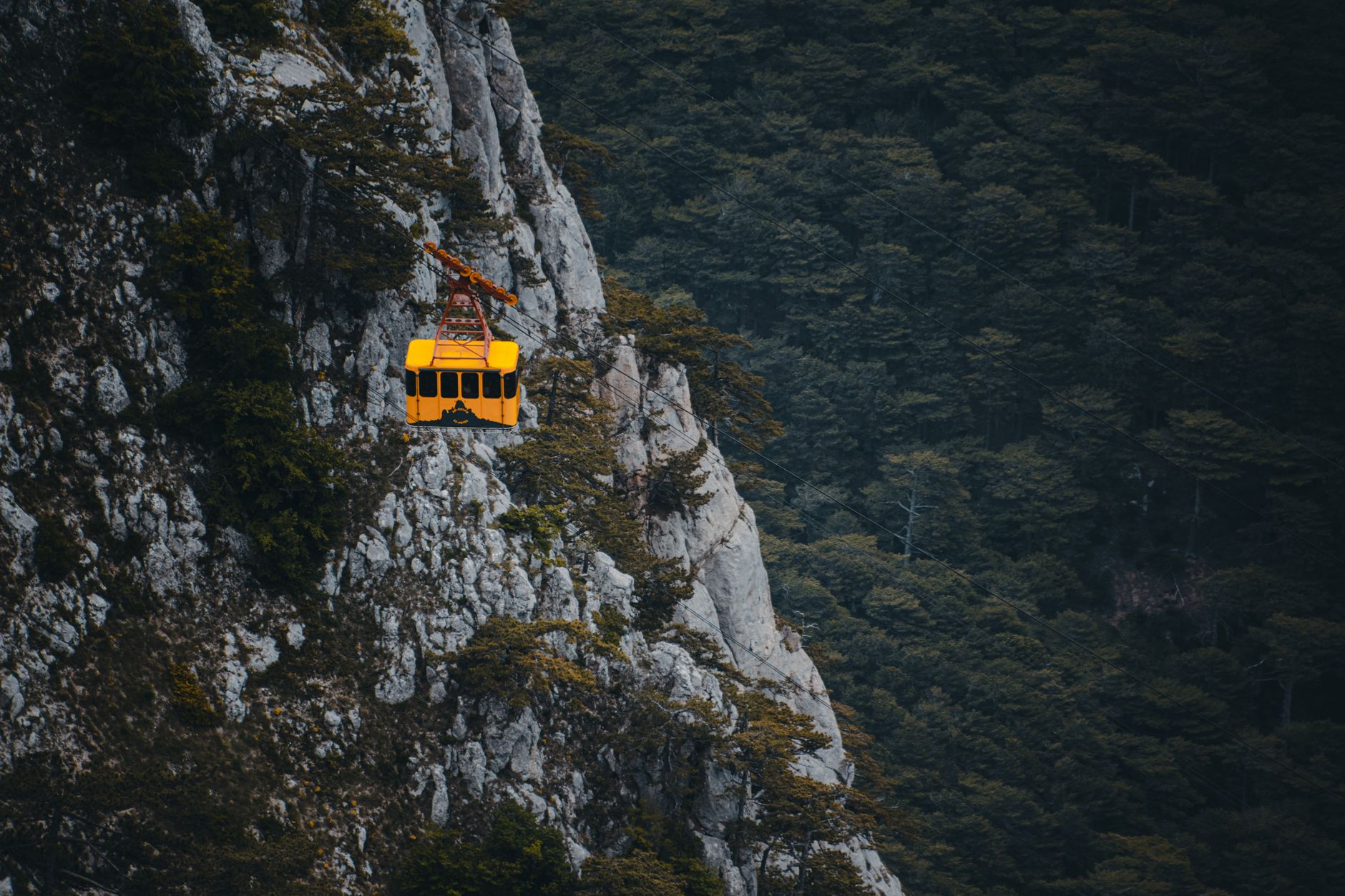
Funiculars are fascinating modes of transportation that provide a unique way to navigate steep inclines. Combining elements of a railway and an elevator, funiculars use a cable-driven system to carry passengers up and down hills. They are often found in cities with challenging landscapes and have become essential attractions in various destinations.
Understanding what a funicular is can enhance your travel experiences, especially when visiting places where they operate. This article offers a comprehensive guide to funiculars, their operational mechanics, notable examples worldwide, and practical travel tips.
What Is A Funicular?
A funicular is a type of cable railway that transports passengers along steep slopes, relying on two cars that are attached to a cable running along the track. One car ascends while the other descends, balancing the weight of the two and minimizing energy use. Funiculars are primarily used in locations where traditional railroads or roads would be impractical due to the terrain.
Unlike cable cars, which are often suspended from cables above ground, funiculars run on tracks and travel along the incline directly. They are especially popular in hilly or mountainous regions, offering breathtaking views during the ride and often connecting two points of interest, such as viewpoints or urban centers.
How Do Funiculars Work?
The operation of a funicular is based on a simple design and engineering principles. Each car is connected to a cable that is looped around a pulley at the top and bottom of the incline. As one car ascends, the other descends, creating a balance that allows the system to function efficiently with minimal energy consumption.
Funiculars usually operate on a fixed track and can be powered by electric motors or gravity, depending on the design. Safety features like brakes and emergency stops are integral, ensuring the passenger’s safety during the ride. The typical distance of a funicular can vary significantly depending on the location, with some spanning only a few hundred meters and others traveling over a kilometer.
Notable Funiculars Around the World
If you’re an adventurous traveler or simply curious about unique forms of transport, here’s a look at some of the most interesting funiculars across the globe:
The Peak Tram, Hong Kong
One of the oldest funiculars in the world, the Peak Tram has been operating since 1888. It takes passengers from the bustling city center of Hong Kong to Victoria Peak, offering stunning views of the skyline and harbor. The ride is steep and thrilling, making it a must-do for visitors to Hong Kong.
Funicular de Montjuïc, Barcelona, Spain
This funicular serves as a connector between the city and the Montjuïc hill, home to parks, gardens, and museums. The ride offers beautiful panoramas of the city and the harbor, making it a fantastic choice for sightseeing. It’s particularly popular during the Barcelona Summer Festival.
Duquesne Incline, Pittsburgh, USA
The Duquesne Incline has been providing service since 1877 and offers some of the best views of Pittsburgh’s skyline. The incline not only serves as transportation for residents but also as a tourist attraction, complete with an observation deck at the top. A visit here is best at sunset for a truly breathtaking experience.
Schynige Platte Funicular, Switzerland
This scenic funicular in the Bernese Oberland travels to the Schynige Platte, which serves as a starting point for hikes and nature exploration. The ride grants unparalleled views of the Swiss Alps, with the journey itself being a highlight for many visitors.
Benefits of Using Funiculars
Funiculars offer several advantages over other forms of transportation, particularly in hilly or mountainous areas:
- Scenic Views: Funicular rides often present panoramic views of the surrounding landscapes, perfect for photography and sightseeing.
- Eco-Friendly: Most funiculars are designed to use minimal energy, especially with the counterbalancing system that reduces the load during operation.
- Accessibility: Many funiculars are designed with accessibility in mind, making them suitable for travelers with mobility challenges.
- Unique Experience: Riding a funicular is often a memorable part of a trip, providing a blend of transportation and entertainment.
How to Plan a Funicular Experience
When planning your trip to include a funicular ride, consider the following tips:
Research Your Destination
Look up cities or regions known for their funiculars. Many tourist websites and travel blogs provide information about their location, history, and ride experience. Popular destinations with funiculars include cities like Lisbon, Los Angeles, and Dubrovnik.
Check Operational Hours and Tickets
Funiculars can have seasonal operating hours, and it’s essential to check ahead of time, especially during the off-peak months. Some places may offer discounts for advance bookings or offer packages that include other attractions.
Consider the Weather
Since many funiculars operate outdoors, the weather can impact your experience. The scenery may be less appealing in heavy rain or fog, while clear days can provide spectacular views. Plan your ride for a day with favorable weather conditions for the best experience.
Timing Your Ride
Try to time your ride during less crowded hours, typically early in the morning or later in the afternoon. This will allow you to enjoy the experience with fewer distractions and more opportunities for photos without large groups in the way.
What to Expect During Your Funicular Ride
Understanding what to expect can make your funicular experience more enjoyable. Here’s a breakdown:
Boarding the Funicular
At most funicular stations, you will find signage that directs passengers on how to board. Most systems are relatively intuitive, but during peak seasons, staff may be on hand to assist. Be prepared for a quick boarding experience, as most funiculars aim to keep their trains moving frequently, especially during busy hours.
The Ride Experience
As you settle into the car, take a moment to look at your surroundings. Depending on the funicular, the interior can range from modern and polished to historical and charming. Once the ride starts, you may experience a thrilling ascent or descent, complete with stunning views through large windows. Remember to hold onto the handrails if you feel unsteady, as the angle can be quite steep.
Duration
Most funicular rides last anywhere from five to fifteen minutes, allowing for a quick, enjoyable experience without a significant time commitment.
Arriving at Your Destination
Upon arrival, you’ll most likely find attractions, viewpoints, or hiking trails. Make the most of your time at the top by exploring nearby activities or simply taking in the views. Some funiculars are conveniently located near cafes or restaurants, so you can grab a meal while enjoying the landscape.
Funiculars and Accessibility
Modern funiculars are generally designed to accommodate various travelers, including families with strollers, persons with disabilities, and the elderly. It is wise to check accessibility options on the official website or contact operators beforehand to ensure that any specific requirements can be met.
Some funiculars offer step-free access, while others may require limited assistance. Stations typically have staff available to provide help when needed.
Budgeting for Funicular Rides
When it comes to budgeting for a funicular ride, costs can vary significantly based on the location and the duration of the ride. Here are some factors to consider:
- Local Prices: Research the ticket prices for the specific funicular you plan to ride, as well as any available discounts for students, seniors, or groups.
- Combined Tickets: Some destinations may offer combined tickets that include funicular rides and entry to other popular attractions, which can save you money.
- Additional Costs: Consider costs for food, beverages, or other activities that you may want to do at your destination after your funicular ride.
When to Visit Funicular Destinations
The best time to visit places with funicular services largely depends on the specific location. Here are some general guidelines:
- Spring and Fall: These seasons often provide mild weather and beautiful scenery, making them great times for sightseeing and enjoying the views from funicular rides.
- Summer: Summer can be busy for tourist attractions, so try to visit in the morning or late afternoon for a less crowded experience.
- Winter: Snowy destinations often offer special winter activities near funiculars, but arrive prepared for winter weather conditions.
Common Mistakes to Avoid
To ensure an enjoyable funicular experience, avoid these common pitfalls:
- Not Checking the Schedule: Always verify the schedule and operational times for the funicular, as they can change due to weather or maintenance.
- Ignoring Safety Guidelines: Follow all safety instructions provided by the funicular operators and remain seated during the ride.
- Overpacking: If you’re planning a hike after your ride, bring only the essentials to keep your experience enjoyable and manageable.
Exploring Nearby Attractions
Often, funicular rides are not just about transportation; they can also lead you to nearby attractions. Here are a few examples:
- Victoria Peak (Hong Kong): After riding the Peak Tram, visitors can explore the Sky Terrace 428 and enjoy stunning views. Hiking trails also surround the peak.
- Montjuïc Hill (Barcelona): Beyond the funicular, Montjuïc is home to historic sites like the Montjuïc Castle and beautiful gardens.
- Mount Washington (Pittsburgh): The views from the top include city landscapes, with the Duquesne Incline connecting guests to several scenic overlooks.
Incorporating a funicular ride into your travel itinerary offers a unique blend of transportation, scenic beauty, and cultural exploration. From historical funiculars with rich stories to modern efficient systems, each offers a delightful experience that shouldn’t be missed.
Funiculars are perfect for all types of travelers, whether you’re looking for exhilarating views, family activities, or unique transportation options. Understanding how a funicular operates, its advantages, and what to anticipate can elevate your travel adventures and broaden your experience.
For your next trip, dive into funiculars in popular destinations like Hong Kong, Barcelona, or Pittsburgh. Research specific ones and plan your enjoyable journey, enjoying the ride and what lies beyond. And remember to explore related destination guides and travel-planning articles to enhance your trip, including things to do in Vienna at night and things to do in Victoria, BC.