
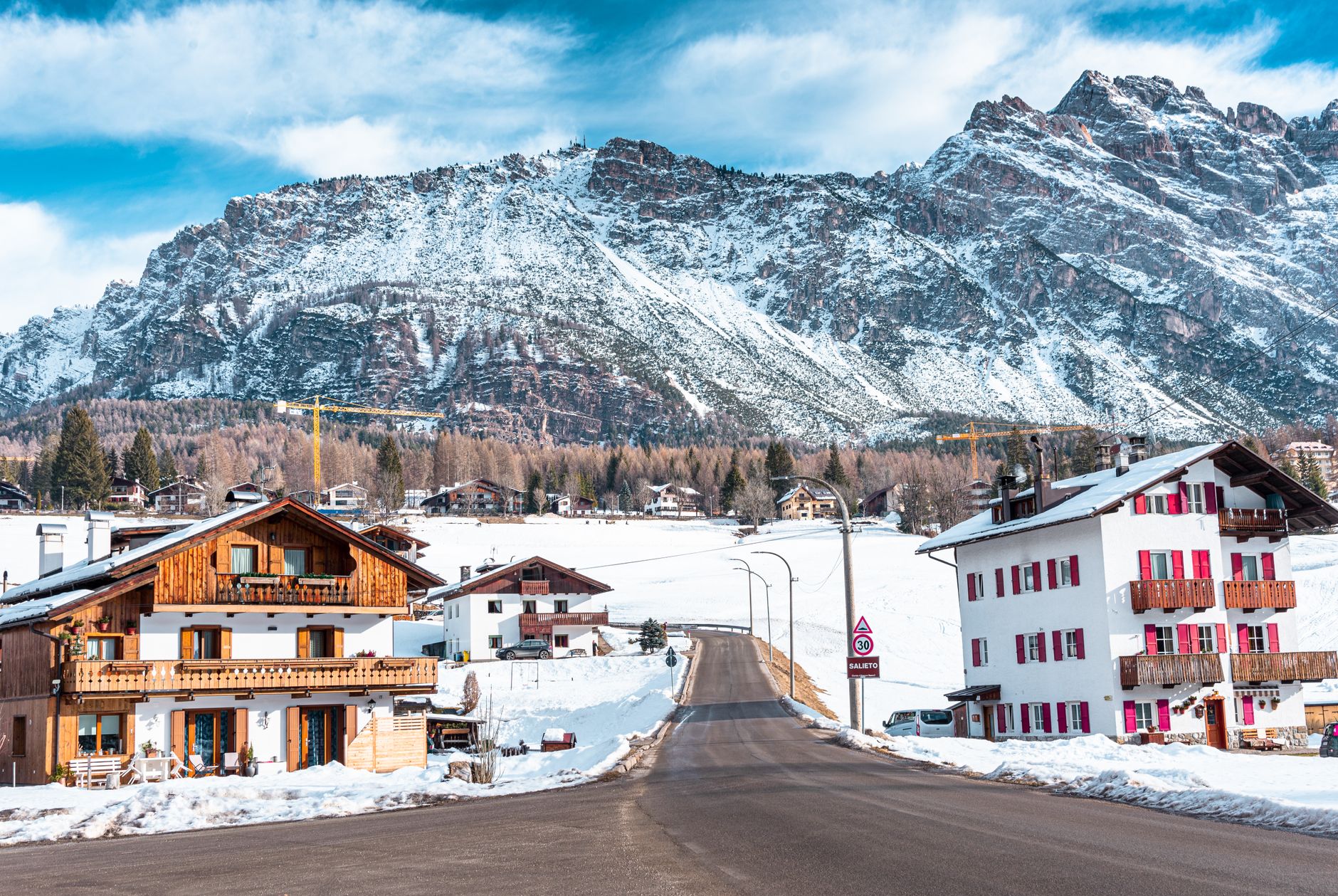
When winter arrives, many travelers turn their sights to Italy, a country rich in culture, history, and breathtaking landscapes. But does it snow in Italy? The answer depends largely on the region and the time of year. Italy experiences a range of winter weather conditions; while the northern areas might see significant snowfall, other regions can remain quite mild during the same season.
In this article, we will explore where to find snow in Italy, the best times to visit for winter activities, and what you can experience in this beautiful country when the temperatures drop. From ski resorts to charming winter festivals, there’s much to discover.
Does It Snow In Italy?
Yes, Italy does experience snow, particularly in the northern regions, where the Alps provide ample opportunity for winter sports. Snowfall can occur from late November through March, making it the ideal time for skiing, snowboarding, and other winter activities.
Regions such as the Aosta Valley, Trentino-Alto Adige, and Lombardy see the most substantial snow accumulations. However, snow falls in varying amounts across Italy, with cities like Florence and Rome rarely seeing any significant snowfall, while mountainous areas receive plenty.
When Does It Snow in Italy?
The snow season in Italy generally spans from late November until early April. Here’s a detailed month-by-month breakdown:
November
This month marks the transition into winter. In the northern regions, especially in mountainous areas, early snow can start accumulating, although significant snowfalls are still rare. Most ski resorts begin to open towards the end of November.
December
By December, snowfall becomes more common, particularly in the Alps and Apennines. Many ski resorts are fully operational, and festive celebrations kick off, with Christmas markets offering a cozy winter atmosphere.
January
January is one of the coldest months in Italy, and it often sees the heaviest snowfall. Ski enthusiasts flock to resorts, and towns in the northern regions are usually covered in a blanket of snow. This is also the peak season for winter sports.
February
Similar to January, February continues the winter wonderland theme, with plenty of snow across the north. The Italian Carnival celebrations around this time also draw tourists, with lively events amid the snowy backdrop.
March
While March can be milder, many ski resorts remain open, with great conditions for skiing early in the month. Snow may still fall, particularly in higher altitudes, making it a fantastic time to experience both winter sports and the beginning of spring.
Where Does it Snow in Italy?
Snow in Italy varies by region, so it’s essential to know where to expect significant snowfall. Below are some regions and destinations known for their winter snow:
The Alps
The Italian Alps, located in the northern part of the country, are the most reliable destinations for snow. The following locations are famous ski resorts:
- Cortina d’Ampezzo: Known as the “Queen of the Dolomites,” this is one of Italy’s most luxurious ski resorts, boasting stunning scenery and excellent skiing conditions.
- Val Gardena: Famous for its skiing and the Dolomiti Superski area, Val Gardena offers a vast array of slopes suitable for all skill levels.
- Livigno: A duty-free town, Livigno is not only great for skiing but also offers snowboarding, snowshoeing, and other winter activities.
The Apennines
Running down the spine of Italy, the Apennine Mountains also provide opportunities for snow, especially in regions like Abruzzo and Emilia-Romagna. Key destinations include:
- Roccaraso: The largest ski resort in the Apennines with numerous ski runs and activities for families.
- Campo Felice: A smaller yet charming spot that’s great for families and beginners.
Cities With Rare Snow
While cities like Rome and Florence do not experience heavy snowfall, they can receive flurries during the winter months. This is exceptionally rare and typically melts quickly. Snowfall adds a magical touch to the historic architecture in these cities, but always be prepared for milder weather.
Winter Activities and Attractions
Italy in winter is not just about snow sports; it’s also a vibrant time filled with unique experiences. Here’s a look at popular activities you can enjoy:
Skiing and Snowboarding
The northern regions are a skiing paradise. The Italian Alps and Apennines host numerous ski resorts that cater to beginner and expert skiers alike. Besides typical downhill skiing, there are options for:
- Cross-country skiing: For a more leisurely experience, try cross-country skiing trails available in many northern resorts.
- Snowshoeing: This is a popular alternative for those who wish to explore snow-covered landscapes at a slower pace.
Winter Festivals
The winter season in Italy is filled with festive celebrations, including Christmas markets, parades, and traditional winter festivals. Notable events include:
- Venice Carnival: Taking place in February, this renowned festival features masked balls, parades, and a vibrant atmosphere.
- Christmas Markets: Throughout the country, towns feature enchanting Christmas markets with local crafts, food, and mulled wine.
Cultural Tours
The winter season offers a chance to enjoy Italy’s cultural heritage without the summer crowds. Art galleries, museums, and historical sites remain open, and you can often find special winter-themed exhibitions.
Day Trips for Snow Lovers
If you’re based in a city that doesn’t see much snow, consider a day trip to a nearby ski resort or snowy area. Here are some suggestions:
From Milan
- Visit Bergamo for its beautiful old town and easy access to the nearby ski resort of Foppolo.
- Explore Madesimo, a popular resort about two hours from Milan with excellent skiing conditions.
From Florence
- Head to Abetone, a ski resort just a short drive from Florence offering a range of slopes.
- Consider a trip to Monte Amiata for beautiful winter scenery and the possibility of snow.
From Rome
- Drive to Terminillo, just a couple of hours from Rome, to find skiing and snowboarding opportunities.
- Visit Campocatino, known for its family-friendly slopes and beautiful mountain views.
How to Get There
Getting to Italy, especially during the winter months, is convenient thanks to the country’s well-connected transport system. Here are some key travel tips:
Air Travel
Major airports in Milan (Malpensa and Linate), Venice, and Rome offer numerous international flights. From these cities, trains or rental cars make it easy to reach snowy destinations.
Train Travel
Italy’s train system is efficient and extensive. High-speed trains connect major cities like Milan and Florence to ski resorts. Consider taking your ski gear on board, which is usually permitted with a small fee.
Car Rentals
If you’re planning to visit multiple ski resorts or rural areas, a rental car may be the best option. Be aware of winter driving conditions, and ensure that you have snow chains or winter tires available as needed.
Where to Stay for the Best Snow Experience
Choosing the right accommodation is essential for fully enjoying your winter trip in Italy. Consider the following types of lodging based on your preferences:
Ski Resorts
Staying at a ski resort can provide you with immediate access to slopes and winter activities. Look for options that offer packages including lift tickets and meals:
- Hotel Cristallo in Cortina d’Ampezzo: A luxurious option catering to ski enthusiasts.
- Hotel Liliana in Val Gardena: Offers ski-in/ski-out access and family-friendly amenities.
Chalets and Apartments
Consider renting a chalet or apartment for a more home-like experience. This option allows for more flexibility, especially for larger groups or families.
Cities with Day Trips
If you prefer exploring urban areas, cities like Milan, Turin, and Bologna provide access to nearby ski resorts while offering cultural sights to enjoy in the evenings.
Practical Travel Tips
Preparing for a winter trip to Italy can enhance your experience. Here are some practical tips:
Check the Weather
Weather conditions can change quickly in winter. Always check forecasts before your trip and plan accordingly.
Dress Appropriately
Dressing in layers is key for staying comfortable. Ensure you have warm, waterproof clothing, thermals, and snow gear if you plan to ski or spend considerable time outdoors.
Book in Advance
Ski resorts and accommodations can fill up quickly during peak winter months. Be sure to book your stay and any ski passes well in advance.
Travel Insurance
Consider purchasing travel insurance that covers skiing and winter sports for peace of mind during your adventures.
Budget Considerations
Understanding the budget will help you plan a financially sound winter trip to Italy. Here’s what to expect:
Accommodation Costs
Prices fluctuate based on location and season. Ski resorts can be expensive during peak times, while city accommodations may be more reasonable. Research options that fit your budget.
Food and Dining
Dining in Italy can range from budget-friendly pizzerias to luxurious restaurants. For a traditional winter meal, look for local trattorias serving hearty dishes like polenta and risotto.
Transportation
Train travel is generally economical, especially if you book in advance. However, car rentals can add up when considering fuel and tolls. Factor in these costs as you budget for your trip.
Safety Considerations
Winter travel in Italy is generally safe, but taking some precautions is essential. Here are some tips:
Stay Informed
Check for any travel advisories before your trip, especially regarding road conditions in snowy areas.
Driving Conditions
If you plan to drive, ensure you are comfortable with winter driving and familiar with the use of snow chains. Opt for a vehicle equipped for winter conditions.
Winter Sports Safety
For those engaging in winter sports, consider taking lessons if you’re a beginner. Always adhere to safety guidelines in ski resorts.
Final Thoughts
Italy may not be the first destination that comes to mind for winter snow, but it offers a variety of experiences and breathtaking landscapes. From thrilling ski resorts in the Alps to unique winter festivals and cultural experiences, the country transforms beautifully under a layer of snow. Plan your trip during the winter months to make the most out of what Italy has to offer in the cold season.
For further travel guidance, check out our articles about navigating Rome, and the best things to do in Vienna in December.