
When you board a commercial airplane, you may have noticed that there are typically two pilots in the cockpit. This dual-pilot system is not merely a regulatory requirement; it plays a crucial role in flight safety, operational efficiency, and overall passenger experience. Understanding the reasons behind this practice can enhance your appreciation for the complexities involved in air travel.
In this article, we’ll explore the various reasons airplanes are staffed with two pilots, delve into cockpit operations, and discuss the importance of teamwork in aviation. Whether you’re a frequent flyer or planning your next trip, knowing how pilots work together can offer valuable insights into the flying experience.
Why Do Airplanes Have Two Pilots?
Airplanes have two pilots to enhance safety, improve decision-making, and manage the considerable operational demands of flying. This system provides redundancy in critical flight functions and allows pilots to share responsibilities, which is essential for ensuring a smooth and safe flying experience.
Ensuring Safety Through Redundancy
Safety is the paramount concern in aviation, and having two pilots on board significantly reduces the risk of human error. The concept of redundancy is a fundamental principle in aviation safety. Here’s how having two pilots contributes to safer flights:
- Cross-Verification: Each pilot can cross-check the other’s actions and decisions, ensuring that mistakes are less likely to go unnoticed.
- Shared Workload: Flying an aircraft involves managing numerous systems and making rapid decisions. Distributing these responsibilities allows pilots to focus better on their specific tasks.
- Emergency Preparedness: In emergencies, having two experienced persons significantly increases the chance of handling unexpected challenges effectively.
- Health Considerations: If one pilot becomes incapacitated due to health issues, the second pilot is fully trained to take over, ensuring that the flight can continue safely.
Operational Efficiency and Teamwork
While safety is a critical factor, operational efficiency also plays a significant role in the necessity for two pilots. Here’s how this teamwork improves overall flight operations:
- Divided Responsibilities: Typically, one pilot is responsible for flying the aircraft, while the other handles navigation and communication with air traffic control. This division of labor leads to more efficient operations.
- Effective Decision-Making: Pilots can discuss and come to a consensus about the best course of action during challenging situations, leveraging both their expertise and experiences.
- Continuous Monitoring: With two sets of eyes on the instruments and outside cues, the cockpit team can monitor the aircraft’s performance more effectively, addressing issues more promptly.
Regulatory Requirements
Aviation regulations from organizations like the International Civil Aviation Organization (ICAO) and the Federal Aviation Administration (FAA) mandate that most commercial flights operate with two pilots. These regulations are established to ensure a baseline level of safety and operational standards across the airline industry. Compliance with these requirements helps maintain public confidence in air travel.
The Roles of Pilots in Flight Operations
In a typical flight, the two pilots serve different roles:
Captain
The captain, often referred to as the pilot-in-command, is responsible for the overall operation and safety of the flight. Key responsibilities include:
- Making final decisions regarding the flight path, altitude, and flight maneuvers.
- Coordinating with air traffic control and ground services.
- Managing the crew and ensuring compliance with safety protocols.
First Officer
The first officer, or co-pilot, assists the captain and is trained to assume the captain’s role if necessary. Responsibilities include:
- Monitoring aircraft instruments and systems.
- Assisting with navigation and communication tasks.
- Completing checklists and ensuring that all operational protocols are followed.
Training and Qualifications
Both pilots undergo extensive training and must meet stringent qualifications before they can operate an aircraft. This training typically includes:
- Initial Flight Training: Pilots must obtain their private, instrument, and commercial pilot licenses, which include both ground school and flight time.
- Type Ratings: Each aircraft type requires specific training to ensure pilots are fully knowledgeable about the aircraft’s systems.
- Simulators: Pilots regularly train in flight simulators, where they practice various scenarios, including emergencies that may arise during actual flight.
- Regular Evaluations: Pilots must undergo recurrent training and evaluations to retain their licenses and remain proficient in their skills.
The Cockpit Environment
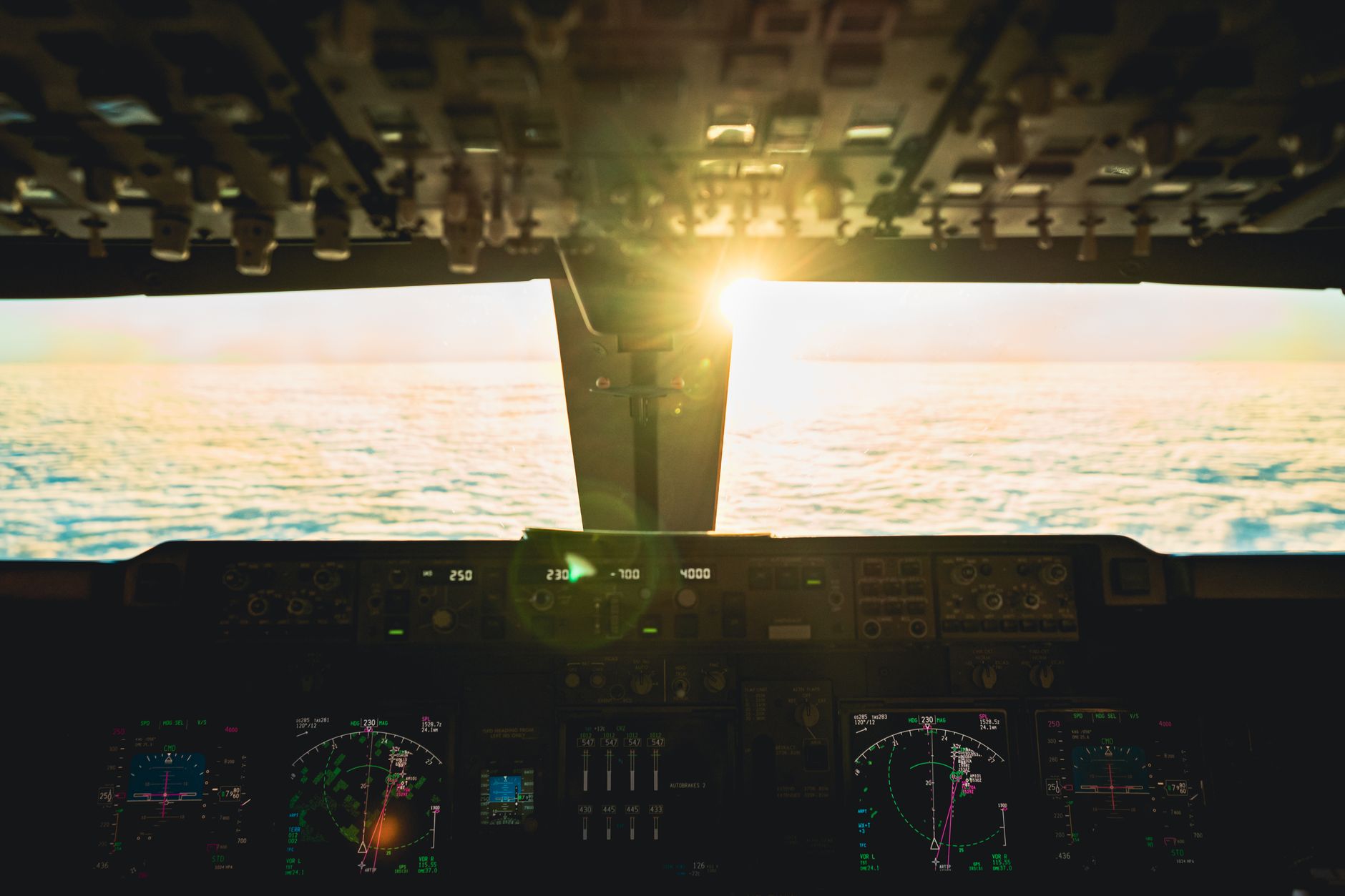
The cockpit of a modern aircraft is a high-tech environment, often equipped with advanced systems for navigation, communication, and flight management. Recent advancements have allowed pilots to fly more efficiently, relying heavily on instruments and automation. The primary systems in the cockpit include:
- Flight Management System (FMS): This system manages the flight plan and optimizes the flight path based on various factors, including weather and air traffic.
- Automatic Dependent Surveillance-Broadcast (ADS-B): This technology provides real-time information about aircraft position and speed, aiding situational awareness.
- Glass Cockpits: Many modern aircraft feature digital displays that centralize critical information for both pilots, enhancing efficiency and reducing workload.
Cockpit Communication and Teamwork
A significant aspect of having two pilots is effective communication. Cockpit Resource Management (CRM) is a training program designed to improve teamwork and communication skills among pilots and crew members. Key elements of CRM include:
- Clear and Concise Communication: Pilots are trained to speak clearly and directly, minimizing misunderstandings.
- Active Listening: Both pilots must actively listen to each other, acknowledging suggestions and concerns to foster a collaborative environment.
- Conflict Resolution: Techniques for resolving disagreements are covered to ensure that decision-making remains focused on flight safety and efficiency.
Technological Innovations and Automation
With advancements in technology, aviation has seen the integration of automated systems that assist pilots in many aspects of flying. However, the role of the two pilots remains essential, as automation does not eliminate the need for human judgment. Key considerations include:
- Maintaining Skills: Pilots must remain proficient in manual flying since automated systems can fail, and manual intervention may be necessary.
- Understanding Automation Limitations: Pilots need to understand the limits of automated systems to keep the aircraft safely within operational parameters.
- Enhancing Situational Awareness: Pilots must balance the automated assistance with being aware of their surroundings and maintaining control over the aircraft.
The Future of Cockpit Operations
As technology continues to advance, the question arises whether the role of two pilots will remain necessary. While some discussions propose single-pilot operations, experts overwhelmingly support the importance of the two-pilot system. Factors influencing this ongoing strategy include:
- Safety First: The potential for error increases in complex situations; having two pilots ensures better decision-making capabilities.
- Regulatory Oversight: Current regulations support a two-pilot system; any changes would require extensive research and validation.
- Passenger Confidence: The perceived safety and reliability of air travel are bolstered by having two trained professionals at the helm.
Passenger Experience
For travelers, the presence of two pilots enhances the overall flying experience. Knowing that there are two qualified professionals managing the flight can bring peace of mind. Understanding the complexity of flight operations can help you appreciate the expertise required to ensure a safe journey.
Common Questions About Pilots and Flights
Many travelers have common questions regarding pilots and the flying experience. Addressing a few of these can provide more clarity:
Do both pilots fly the plane during the flight?
In most commercial flights, one pilot will be designated to fly the aircraft, while the other assists with navigation and communication tasks. However, they frequently rotate these roles over the course of flights to manage fatigue.
What happens if one pilot has to leave the cockpit?
In the case of an unavoidable exit, the remaining pilot is fully trained to manage the aircraft and handle any necessary communications until the other pilot returns. The protocols are in place to ensure seamless operations in such scenarios.
Conclusion
Having two pilots in the cockpit serves numerous essential functions, primarily focused on safety, operational efficiency, and maintaining passenger confidence. Each pilot plays a vital role in ensuring the flight operates smoothly, collaboratively managing systems, communication, and decision-making.
The robust training and teamwork observed in flight operations help foster a safe traveling experience so that you can relax and enjoy your journey. Next time you board a flight, take a moment to appreciate the skilled professionals working behind the scenes to make your trip successful.
If you’re interested in understanding more about flight safety and regulations, or you have travel plans in mind, check out Is it Safe to Fly? and How High Do Planes Fly? for insightful information to consider before your adventure.