
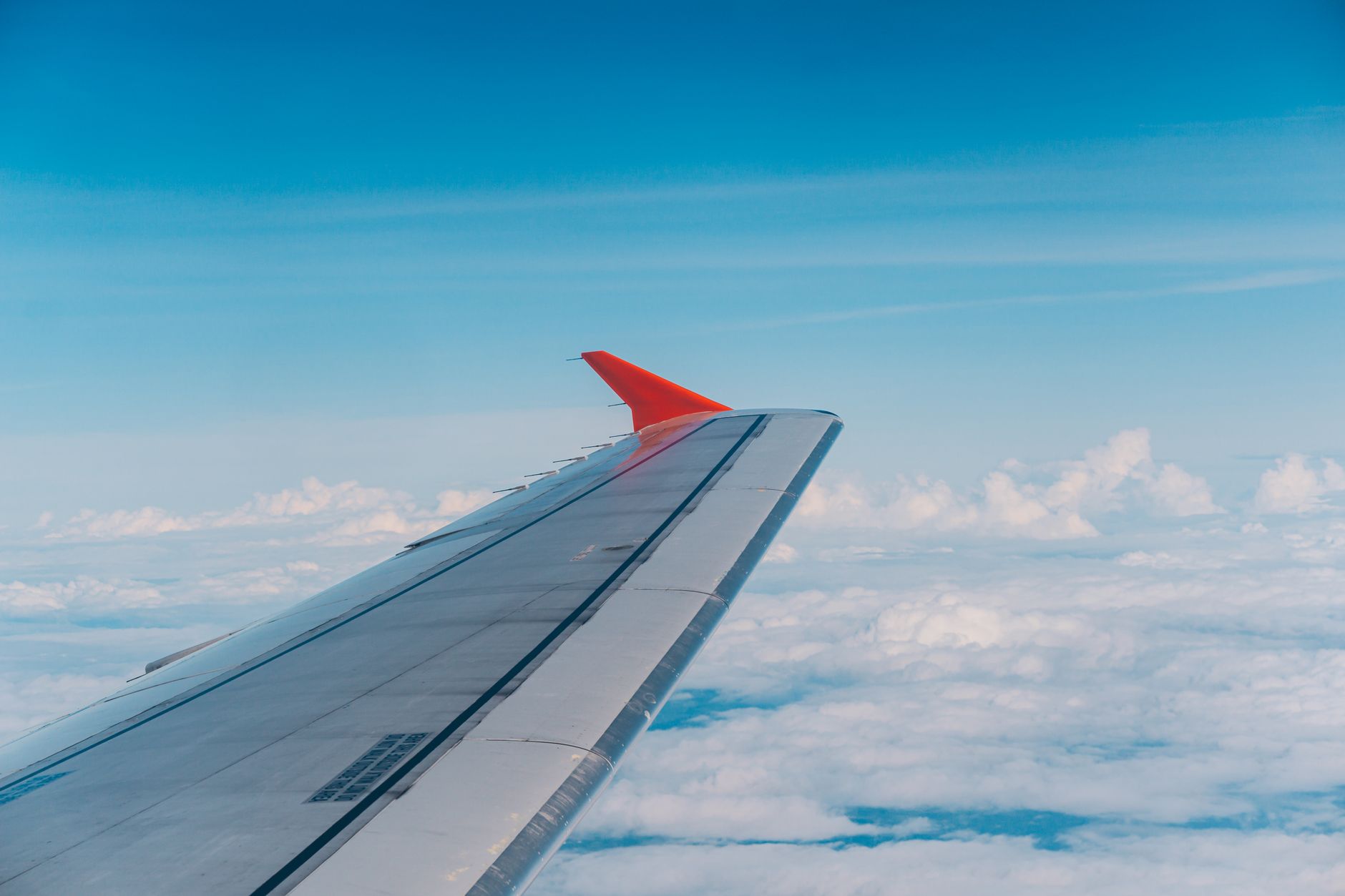
Air travel remains one of the fastest, most reliable ways to cross continents. Understanding how high planes fly can demystify the in-flight experience and help with packing, seating choices, and overall planning.
In this guide, you’ll find practical numbers, explanations of what altitude means for comfort, and tips you can use on your next flight. No fluff—just the facts you can apply to travel planning.
How High Do Planes Fly?
What height do commercial airplanes typically reach? Most airliners cruise between 30,000 and 40,000 feet above sea level. The exact altitude depends on wind, weather, weight, and air traffic control instructions.
Airlines optimize altitude to balance fuel efficiency, safety, and comfort. You’ll often hear the crew reference a cruising altitude in the range of 33,000 to 38,000 feet during a long-haul flight.
The Physics Behind High-Flying Planes
Aircraft climb to altitude to minimize air resistance. At higher levels, the air is thinner, which reduces drag and saves fuel.
Thinner air also means less oxygen. That’s why cabins are pressurized to a lower altitude equivalent—typically 6,000 to 8,000 feet—to keep most passengers comfortable.
Cruising Altitude Ranges by Aircraft Type
Most single-aisle jets, such as the Boeing 737 and Airbus A320 families, cruise around 35,000 feet on many routes. Widebodies, like the Boeing 777 or Airbus A350, often fly higher, sometimes near 40,000 feet.
Regional jets and smaller aircraft may cruise lower, especially on shorter routes. Operators adjust altitude for efficiency and safety, not to favor a particular aircraft type.
What Altitude Means for Passengers
Cabin altitude is not the same as flight altitude. The cabin is pressurized to resemble an elevated environment, usually around 6,000 to 8,000 feet.
This pressurization helps keep oxygen levels comfortable for most travelers. Some people may still feel effects like dryness or mild fatigue on long flights.
Why Airlines Choose Specific Altitudes
Air traffic control routes aircraft to avoid turbulence, optimize fuel burn, and maintain safe separation from other planes. These factors all influence cruising altitude decisions.
Wind patterns, especially jet streams, can make certain altitudes faster on a given day. Pilots will adjust to catch favorable tailwinds when possible.
Common Comfort Considerations at High Altitude
Humidity in the cabin is low, which can dry skin and eyes. Staying hydrated helps on longer flights.
Pressure changes can produce ear discomfort. Chewing gum, yawning, or a gentle Valsalva maneuver can ease that pressure.
How Altitude Affects Jet Lag and Sleep
Jet lag is more about time zones than altitude, but cabin environment can influence sleep quality. Quiet cabins, stable temperatures, and comfortable seating aid rest.
Planning overnight flights can leverage natural body rhythms. Choose seats and sleep aids that maximize your chances of rest if that aligns with your itinerary.
Practical Flight Planning Tips By Altitude
Choose seats with legroom if you anticipate a longer duration at altitude. Bulkhead or exit-row seats often offer extra space, but check for restrictions.
Consider your tolerance for dry air and possible mild dehydration. Bring a small refillable bottle and a travel-sized moisturizer or a lip balm.
When Altitude Changes Matter for You
Individuals with certain medical conditions should consult a doctor before flying. Altitude and cabin pressure changes can affect some health issues.
People with ear problems or recent surgeries should consider timing flights accordingly and follow medical guidance. If you have concerns, discuss them with your clinician prior to booking.
Seat Selection And Flying Comfort At Altitude
Window seats offer a view and a wall to lean on for sleep. Aisle seats provide easier access to the cabin and restroom.
Middle seats are least popular for longer flights but can be practical on shorter hops. Check seat maps for extra space around you before finalizing assignments.
Frequent Questions About Altitude And Flying
Do planes fly level the entire way? Not exactly. They maintain a cruising altitude most of the flight but will briefly ascend or descend during ascent and descent.
Can you feel altitude changes during flight? Some passengers notice pressure changes during takeoff and landing, especially in the ears. In-flight changes are typically small once cruising altitude is reached.
Planning A Flight With Altitude In Mind
On long journeys, aim for a cabin environment that supports rest and hydration. Pack a small sleep kit if you plan to nap at altitude.
Hydration helps counter dry cabin air. Bring a refillable bottle and sip regularly throughout the flight.
How High Is High, For A Traveler’s Itinerary?
For most travelers, altitude becomes a comfort consideration rather than a core destination. The practical question is how altitude affects your body on a given flight duration.
Short-haul flights at 30,000 to 35,000 feet feel different from ultra-long hauls near 40,000 feet. Knowing the typical ranges helps you plan rest, meals, and seat choices accordingly.
What If You Need More Comfort At Altitude?
Boost comfort with a layered approach: breathable clothing, a light blanket, and a small pillow. Layering helps you adjust to cabin temperature changes at altitude.
Noise-canceling headphones or earplugs can improve sleep quality. A quick stretching routine helps reduce stiffness during long flights.
Altitude And Safety: What’s Real, What’s Not
Altitude is a normal, well-managed part of air travel. Modern aircraft and cabin systems are designed to handle the typical ranges described here.
Airlines monitor weather and turbulence to adjust altitude when needed. Always follow crew instructions for safety and comfort.
Back-Of-The-Envelope Quick Guide
- Typical cruise: 30,000–40,000 feet.
- Cabin pressure equivalent: about 6,000–8,000 feet.
- Common comfort tip: stay hydrated, move around, and manage ear pressure.
- Seat choice impact: window for rest, aisle for accessibility.
Seasonal Considerations For High-Altitude Flying
Weather patterns can influence cruising altitude decisions in winter and summer. Storms, winds, and air traffic vary by season and geography.
Flight times can shift with seasonal schedules. Check your airline’s plan for the day of departure when you’re at the planning stage.
In-Flight Tips To Keep Your Body Happy At Altitude
Hydration is your best defense against dry cabin air. Drink water regularly, even when you’re not thirsty.
Avoid excessive caffeine and alcohol, which can dehydrate you further. Light snacks can help stabilize energy and avoid queasiness for some travelers.
What To Expect On The Day Of Your Flight
Arrive early to navigate check-in and security without rush. This reduces stress before you reach the cabin altitude.
Dress in comfortable, layered clothing. Cabin temperatures can fluctuate with altitude and air humidity.
Budget And Altitude: Does It Change Travel Costs?
Altitude itself doesn’t directly affect ticket prices. Flight duration and fuel consumption tied to altitude can influence operating costs.
Smaller or shorter routes may employ different cruise heights to maximize efficiency. Price and scheduling remain the primary planning levers for most travelers.
Accessibility And Altitude-Related Travel Tips
People with mobility or health considerations should select seats close to the front for easier boarding and disembarkation. An aisle seat near the front often reduces transit time through the cabin.
Request assistance in advance if needed. Most airlines offer services for passengers requiring extra help during boarding and after landing.
Choosing A Flight Experience That Matches Your Plans
Your preferred travel pace, sleep needs, and arrival timing influence your altitude-related choices. If you value rest on arrival, overnight routes with favorable schedules can help.
Conversely, if you want to maximize time at your destination, a daytime flight with a shorter total duration might be preferable, even if it means less sleep on board.
Are you curious about safety and seating policies before you book? The following resources can help with practical planning decisions.
Is It Safe To Fly Right Now? A Practical Guide Can Help You Decide
Does Southwest Have Assigned Seats? A Quick Look At Seating Policies
These two topics address common planning questions that often accompany high-altitude travel. Verifying details with official sources is always wise before booking.
In practice, altitude remains a background factor for most travelers. The main benefits come from understanding comfort, seating, and planning around your itinerary.
By knowing typical cruising heights and how they affect the cabin, you can tailor your packing, seating, and rest strategies. This makes every flight smoother and more predictable.
For longer trips, plan your arrival with sleep in mind. A well-timed overnight flight can help you land refreshed and ready to start your adventures.
Keep a light, practical packing list for altitude-related comfort. Hydration, a small moisturizer, and a compact travel pillow travel far in improving comfort at cruising heights.
When you book, use the altitude considerations as part of your overall travel plan. The goal is a smoother journey from door to destination.
Always verify flight-specific details, including cruising altitude choices, with your airline at the time of booking. Schedules and aircraft configurations can change.
Ultimately, the altitude question is a guide, not a rule. Use it to inform decisions that improve comfort, rest, and timing on your next trip.
If you want more travel planning ideas, explore related guides and planning articles below.