
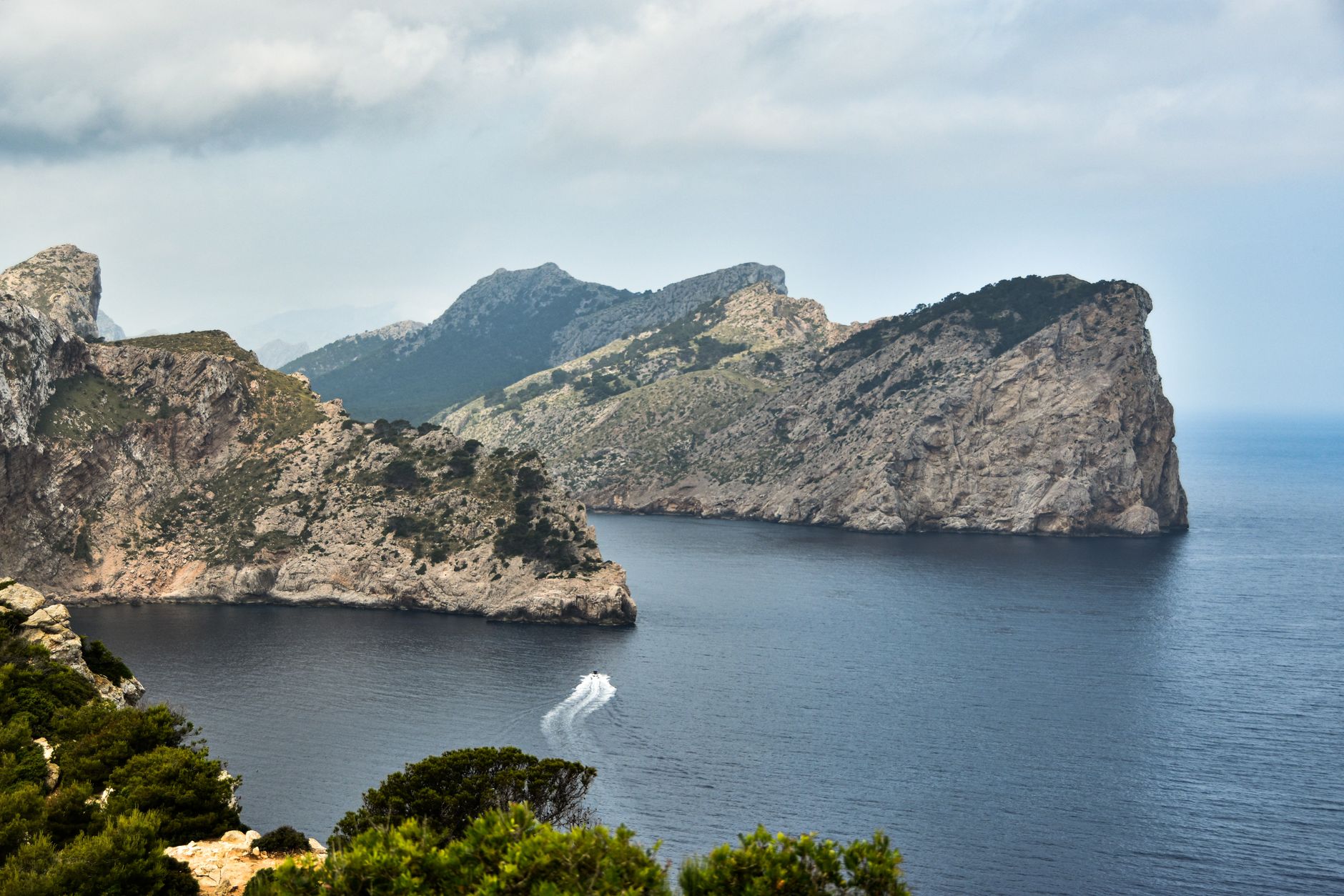
Malta, a picturesque Mediterranean archipelago, is located south of Sicily, Italy and north of Libya. Known for its rich history, stunning coastlines, and vibrant culture, this small island nation is a perfect getaway for travelers seeking an array of experiences, from beach lounging to archaeological explorations.
Comprising three main islands—Malta, Gozo, and Comino—Malta stands out as a blend of ancient ruins, modern attractions, and spectacular natural beauty. Understanding its geography, attractions, and travel logistics can help you make the most of your visit.
Where Is Malta?
Malta is situated in the central Mediterranean, making it a strategic point between Europe and North Africa. The archipelago is around 93 km south of Sicily, 290 km north of Tunisia, and 332 km east of the Italian mainland. This unique location has rendered it a cultural melting pot that has attracted various influences throughout history.
Malta is composed of three inhabited islands: Malta, Gozo, and Comino. Malta is the largest and most populated, while Gozo is known for its rural charm and natural landscapes. Comino is mostly uninhabited, featuring the famous Blue Lagoon noted for its crystal-clear waters.
Getting to Malta
Traveling to Malta is straightforward, with various options depending on your location and travel preferences. Most international visitors will arrive via Malta International Airport (MLA), located in Luqa, just 5 km from the capital, Valletta.
Direct flights are available from many European cities, especially during the peak tourist season (May through October). Airlines such as Air Malta, Ryanair, and EasyJet provide convenient connections. From the airport, taxis and shuttle services are readily available, along with public transport options.
Arriving by Sea
For those traveling from Italy or the neighboring islands, ferries operate between Malta and Sicily, particularly from Pozzallo and Catania. Additionally, there are ferry services connecting Malta to Gozo and Comino, allowing for easy exploration.
Best Areas to Stay in Malta
Choosing the right area to stay can enhance your experience in Malta. Here are some popular neighborhoods to consider:
Valletta
As the capital city, Valletta is an UNESCO World Heritage site filled with historical landmarks, museums, and vibrant cafés. It’s ideal for those interested in history and culture. Accommodations range from luxury hotels to budget-friendly guesthouses.
Sliema and St. Julian’s
These neighboring areas are known for their lively atmosphere, restaurants, and nightlife. Sliema offers a scenic promenade, while St. Julian’s is famous for the entertainment district of Paceville. Both locations provide an array of hotels catering to various budgets.
Gozo
If you prefer a quieter, rural experience, consider staying in Gozo. This island features beautiful countryside, beaches, and historical sites. Accommodations include quaint farmhouses, hotels, and hostels.
Top Attractions in Malta
Malta is rich in attractions that cater to different interests. Here are some not-to-miss highlights:
Valletta
- St. John’s Co-Cathedral: A stunning example of Baroque architecture, featuring ornate interiors and Caravaggio’s famous painting, “The Beheading of Saint John the Baptist.”
- The Grandmaster’s Palace: Once the seat of the Knights of St. John, this palace showcases grand halls and art collections.
- Upper Barracca Gardens: Offering panoramic views of the Grand Harbor, these gardens are perfect for a leisurely stroll.
Mdina and Rabat
Just a short drive from Valletta, Mdina is known as the “Silent City” for its tranquil atmosphere. Its narrow, winding streets lead you through beautiful medieval architecture. Nearby, Rabat houses the St. Paul’s Catacombs, a network of ancient burial sites.
The Megalithic Temples
The ancient temples of Hagar Qim and Mnajdra, located near the southern coast, are among the oldest free-standing structures in the world, dating back to 3600-3200 BC. These temples are not only architecturally significant, but they also hold great cultural importance.
Gozo’s Attractions
- The Azure Window: Although collapsed in 2017, its location remains a scenic spot for photography and offers wonderful coastal views.
- Ramla Bay: Famous for its red sand, this beach is ideal for sunbathing and swimming.
- The Citadel: A historic fortress that offers sweeping views of the island.
Comino’s Blue Lagoon
A visit to Malta wouldn’t be complete without experiencing the Blue Lagoon. Known for its turquoise waters and stunning surroundings, Comino is an excellent spot for swimming, snorkeling, and relaxation. Take a day trip to truly enjoy this picturesque setting.
Food and Drink in Malta
Malta’s cuisine reflects its rich history and cultural influences. Expect to find a mix of Mediterranean flavors, with an emphasis on fresh seafood, vegetables, and local wines.
Local Specialties
- Fenkata: A traditional rabbit dish often accompanied by vegetables and wine.
- Bragioli: Beef olives stuffed with breadcrumbs and herbs, slow-cooked to perfection.
- Pastizzi: Flaky pastry filled with ricotta or mushy peas, commonly found in local bakeries.
Dining Options
Dining options range from local eatery-style restaurants to upscale dining experiences. Valletta and St. Julian’s, in particular, boast many dining establishments that offer both local and international cuisines. Don’t forget to pair your meals with some locally produced wine!
Transportation in Malta
Getting around Malta is efficient and relatively easy, thanks to its comprehensive public transportation system and relatively small size. Here are the transport options available:
Public Buses
The bus service in Malta is extensive and covers most areas, making it a popular choice for visitors. Buses are affordable and well-connected, but be prepared for potential delays during peak hours.
Taxis and Rideshares
Taxis are available throughout the islands, and while they can be more expensive than buses, they offer convenience for direct routes. Rideshare services like Bolt are also operational, providing an affordable alternative.
Rental Cars and Biking
Renting a car can be a great way to explore Malta at your own pace, particularly if you plan to visit off-the-beaten-path locations. Be aware that Maltese drivers follow the left side of the road. Alternatively, biking can be enjoyable in more rural areas, particularly on Gozo.
Ferries
For island-hopping between Malta, Gozo, and Comino, ferry services are available. They offer a scenic and enjoyable way to travel between the islands.
When to Visit Malta
The best time to visit Malta is during the spring (April to June) and autumn (September to October). During these months, the weather is pleasantly warm, and crowds are fewer compared to the summer tourist peak.
Summer (July to August) sees hot temperatures, making it ideal for beach lovers, though be prepared for larger crowds and higher accommodation prices. Winter (November to March) is the off-peak season, with milder temperatures, but some attractions may have reduced hours.
Length of Stay
For a well-rounded experience, a stay of about 5 to 7 days is recommended. This allows ample time for exploring the main attractions across Malta and Gozo, along with time for relaxation at the beaches. A shorter stay can certainly work, but expect to prioritize your must-see spots.
Budget Considerations
Malta is generally more affordable than many Western European destinations. Here are some budget tips:
- Accommodation rates vary greatly; budget hotels and hostels start around €20-€50 per night, while luxury accommodations can easily exceed €200.
- Dining can be budget-friendly, with local eateries offering meals from €10-€20. Fine dining will cost more.
- Public transportation is cost-effective, with single tickets around €1.50 and day passes available.
- Factor in entrance fees to major attractions, which vary; for example, entry to St. John’s Co-Cathedral is around €15.
Packing for Malta
When packing for Malta, consider the season and the activities you plan to do. Here are some essentials:
- Comfortable Clothing: Lightweight clothes are recommended for summer; layering is ideal for cooler months.
- Swimwear: Don’t forget your bathing suit for the fantastic beaches!
- Footwear: Comfortable walking shoes for exploring and sandals for the beach.
- Sun Protection: Sunglasses, sunscreen, and a hat are essential, particularly in summer.
- Adapter: Malta uses the British-style Type G electrical outlet, so bring an adapter if necessary.
Accessibility and Safety
Malta is generally safe for travelers, with low crime rates. However, standard travel precautions apply, such as keeping valuables secure and being aware of your surroundings.
In terms of accessibility, many tourist attractions have taken steps to be more inclusive. Valletta, being a historic city, has cobbled streets which may pose challenges for those with mobility issues, but many public transport services are wheelchair-accessible.
Conclusion
Malta is a captivating destination that offers something for every type of traveler. Whether you’re drawn by its rich history, beautiful beaches, or vibrant culture, planning ahead can enhance your experience. With its strategic location, rich cuisine, and diverse attractions, Malta promises a memorable journey for all who visit. Start your planning today by checking for flights and accommodations and prepare for an enchanting Mediterranean adventure!
Explore more about travel planning with our guides on Monte Carlo and Rome.