
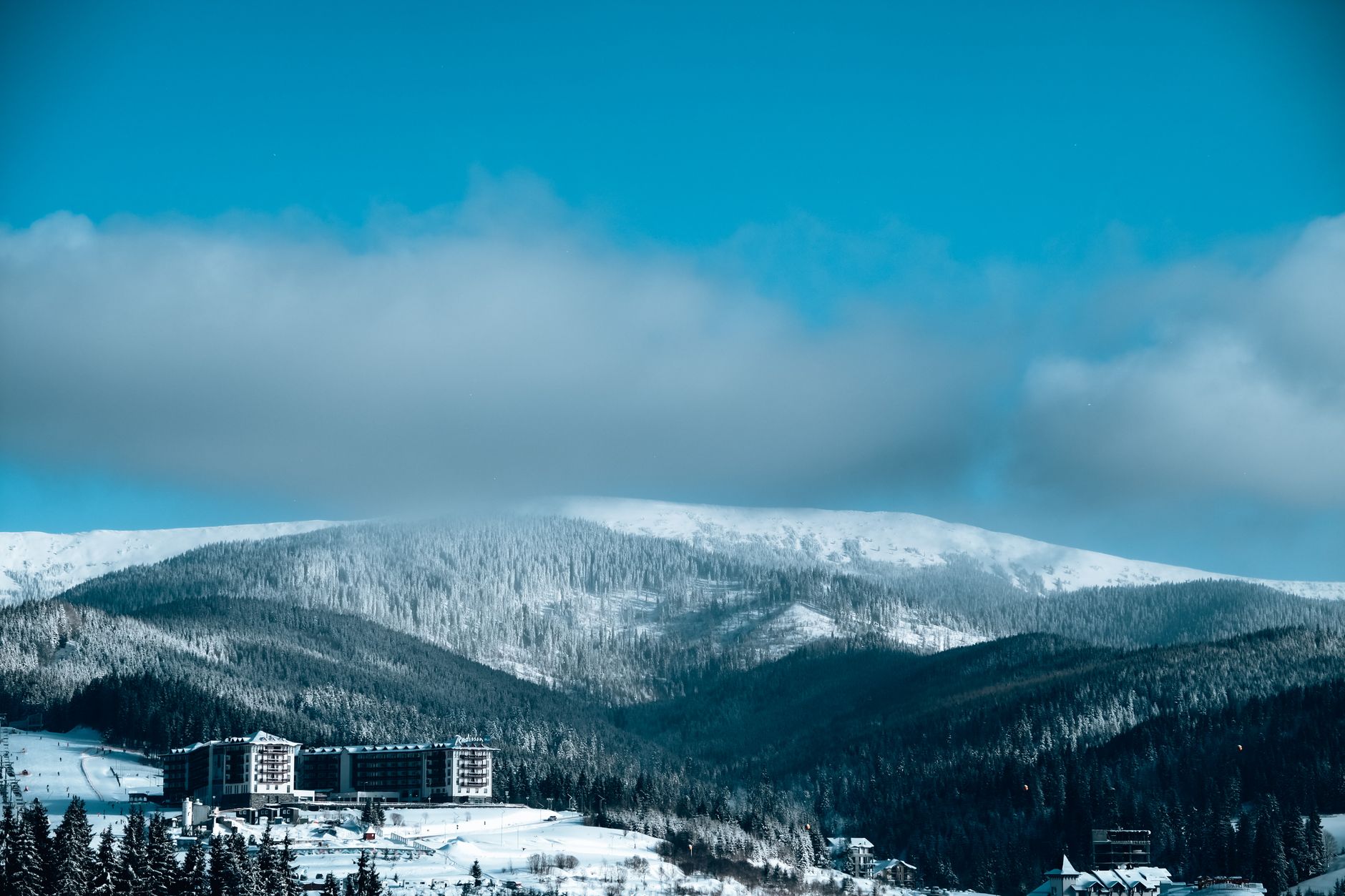
Big Bear, located in the San Bernardino Mountains of California, is known for its stunning scenery and outdoor recreational activities. With its elevation of about 6,750 feet, this picturesque destination transforms into a winter wonderland when the snow begins to fall. For snow enthusiasts, understanding when it snows in Big Bear can help you plan the perfect getaway.
Whether you’re a seasoned skier, a family looking for fun in the snow, or a casual visitor wanting to take in the winter beauty, knowing the snow schedule is essential. This guide will delve into the snow patterns in Big Bear, optimal travel times, and tips for making the most of your snowy adventure.
When Does It Snow In Big Bear?
Snowfall in Big Bear typically occurs from late November through early April, with the heaviest snow falling between January and February. These months present the best chances for significant snow accumulation, providing excellent conditions for winter sports and activities.
Understanding the Snow Season
Big Bear’s snow season can be broken down into early, mid, and late winter periods, each with unique characteristics.
Early Winter (November to December)
The snow season generally kicks off in late November, with occasional light snowfall that begins to accumulate. December often sees flurries and a few larger storms as temperatures drop, making it a great time for those looking to enjoy a less crowded experience before the holiday rush. Early winter is perfect for families and beginners who want to enjoy the festive atmosphere and perhaps partake in some early-season skiing.
Mid-Winter (January to February)
January and February are peak months for snowfall in Big Bear. During this time, travelers can expect frequent storms and heavy snow accumulation. This is when the ski resorts are in full swing, offering various winter sports, including skiing, snowboarding, and snowshoeing. If you thrive in a winter wonderland and enjoy vibrant slopes, this is the optimal time to visit.
Late Winter (March to Early April)
As winter begins to fade, March might still deliver some snowfall, though it becomes less frequent. The days start warming up, and the sun shines a bit more. By early April, however, the snow starts to melt, presenting an opportunity for spring activities such as hiking and mountain biking. Some ski resorts may still be open but expect spring-like conditions.
Historical Snowfall Patterns
Over the years, Big Bear has experienced variable snowfall patterns influenced by factors such as climate change and weather anomalies. Generally, the area receives an average of 100-120 inches of snow per season, but this can fluctuate. Analyzing historical data can provide hopeful travelers with a better idea of what to expect.
Average Snowfall by Month
| Month | Average Snowfall (inches) |
|---|---|
| November | 6 |
| December | 20 |
| January | 36 |
| February | 32 |
| March | 15 |
| April | 5 |
Why Visit Big Bear in Winter?
Big Bear offers an array of activities for those seeking adventure during the snow season. From winter sports to cozy lodges, this destination caters to various travelers, making it a versatile choice.
Winter Sports
Big Bear Lake is home to several ski resorts, such as Bear Mountain and Snow Summit, both offering slopes for all skill levels. With over 800 acres of skiable terrain, snowboarding halfpipes, and snow tubing hills, there’s something for everyone. The resorts provide ski rentals, lessons, and various terrain parks, making it easy to dive into winter sports.
Non-Skiing Activities
If skiing or snowboarding isn’t your thing, Big Bear still has plenty to offer. Visitors can explore the beauty of the winter landscape through snowshoeing or take a guided snowmobile tour through the snowy trails. Ice skating at the Big Bear Lake Village rink adds an extra touch of winter magic.
Scenic Views and Relaxation
For those seeking a more laid-back experience, Big Bear features stunning views and the opportunity to enjoy the winter scenery. Cozy lodges, warm cafes, and relaxing environments create the ideal atmosphere for unwinding by the fireplace with a hot cocoa in hand.
How to Get to Big Bear
Getting to Big Bear is generally straightforward, but preparation is key, particularly during winter when conditions can change rapidly.
By Car
Big Bear is approximately a 2-hour drive from Los Angeles, making it highly accessible for locals and visitors. The best route typically involves taking the I-10 East and then connecting to CA-330 or CA-38. In winter, be aware of road conditions, as snow may require chains or tire adjustments.
Public Transportation
If you prefer not to drive, several shuttle services operate from Los Angeles and nearby airports. These services often offer direct routes to Big Bear and can sometimes include transportation to ski resorts. However, it’s advisable to book in advance, especially during peak season.
Getting Around Big Bear
Once in Big Bear, the best way to get around is by car, especially if you plan to visit multiple ski resorts or venture to attractions around the lake.
Local Shuttles
During the winter months, Big Bear also offers a free shuttle service that operates along key areas, making it convenient for those staying in the village or planning to explore the resorts without a car. Take advantage of this service to reduce parking hassles.
Where to Stay in Big Bear
Accommodation options in Big Bear cater to different preferences and budgets, from luxurious cabins to budget-friendly hotels.
Luxury Lodges and Resorts
If you’re seeking a high-end experience, consider staying at one of the luxury lodges. These often offer in-house amenities like spas, fine dining, and stunning views. The Big Bear Lakefront Lodge provides lakeside views and easy access to the slopes.
Mid-Range Hotels
There are numerous mid-range accommodations that offer comfort without breaking the bank. Options like the Best Western Big Bear Chateau or the Northwood Resort are popular and well-equipped for winter activities, providing ski storage and shuttle services to resorts.
Budget-Friendly Options
Travelers on a budget may find affordable lodges, hostels, or vacation rentals through platforms like Airbnb and VRBO. These can provide more home-like environments, making them ideal for families or groups looking to economize.
Winter Packing Essentials
- Waterproof ski jacket and pants
- Winter gloves and accessories (hat, scarf, etc.)
- Winter boots with good traction
- Ski or snowboard gear (if not renting)
- Layers for warmth (thermal tops and bottoms)
- Goggles and sunscreen (the sun can be strong even in winter)
- First aid kit and personal medications
- Reusable water bottle
Budget Considerations for a Trip to Big Bear
When planning your trip to Big Bear, understanding the budget is essential to ensure a hassle-free vacation. Here’s what to factor in:
Accommodation Costs
Accommodation prices can range significantly based on the type and location. Typically, you can expect to pay anywhere from $100 to $600 per night in winter months, particularly during holidays.
Activity Expenses
Ski passes for resorts can vary in price, often running between $65 and $150 per day, depending on the resort and time of year. Rental gear is an additional cost, usually around $50 to $100. However, many resorts offer packages that can provide discounts for renting gear and purchasing lift tickets at the same time.
Dining and Extras
Dining in Big Bear can range from casual to upscale dining. Budget-conscious travelers may spend around $10 to $15 per meal at fast-casual restaurants, while a nicer dinner could set you back $30 or more per person. Consider preparing some meals if you stay in a rental for a more significant savings.
Traveling with Family or Solo
Big Bear is an excellent destination for both families and solo travelers, with various options for all types of visitors.
Family-Friendly Activities
Families traveling to Big Bear will find numerous activities suitable for children, including snow tubing, carnival games, and ice skating. Many resorts also offer family packages that include ski lessons for kids or babysitting services, making it easier for parents to enjoy some time on the slopes.
Solo Travel Considerations
For solo travelers, Big Bear provides ample opportunities for meeting other skiers or joining group lessons at the resorts. In addition, visitors can enjoy scenic hikes or cozy cafes, perfect for unwinding after a day outdoors. Whether seeking adventure or solitude, Big Bear caters to individual needs.
Winter Safety Tips
While Big Bear’s winter landscape is beautiful, safety should always be a priority. Here are some practical tips to keep in mind:
- Check the weather forecast before your trip and stay updated with real-time conditions.
- Wear appropriate clothing and gear to protect against the cold.
- Stay hydrated, as it’s easy to forget to drink water in colder temperatures.
- For skiing or snowboarding, always wear a helmet, and be aware of your surroundings.
- Familiarize yourself with the area and always have a map or GPS device on hand, especially in snowy conditions.
In summary, understanding when it snows in Big Bear, as well as planning ahead, can greatly enhance your experience in this stunning winter destination. Whether you’re there for the slopes, scenic beauty, or cozy lodge amenities, Big Bear offers unique opportunities during the snowy season.
To explore more about your travel plans, consider checking current snow conditions in Big Bear at Is There Snow in Big Bear Right Now? and also see how it compares to other locations like Lake Tahoe at Does It Snow in Tahoe Right Now?.