
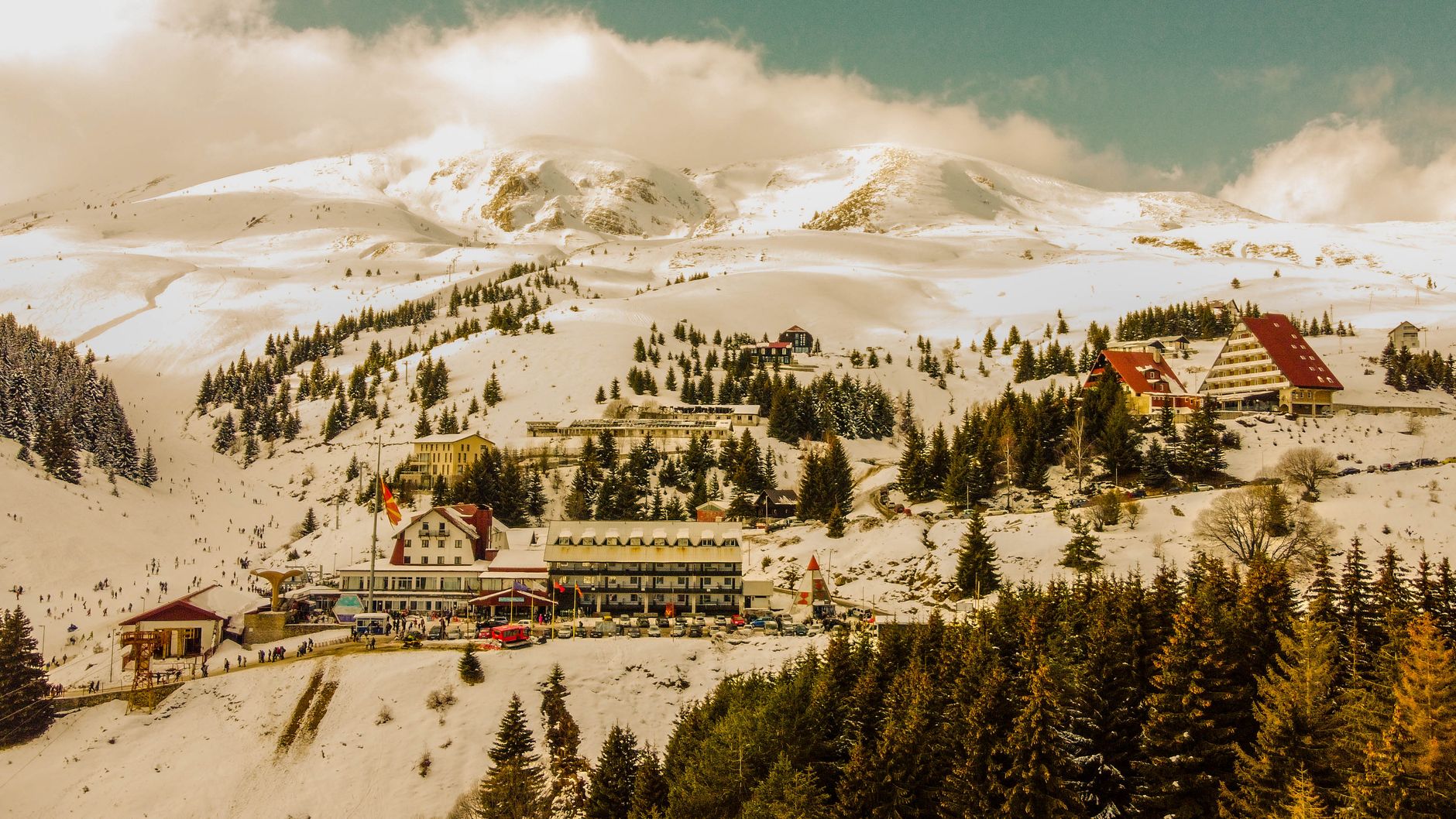
Planning a winter visit or a shoulder-season escape to Big Bear? This practical update covers current snow conditions, how to check them, and how to plan a trip around the weather. You’ll find actionable tips for gear, road safety, and family-friendly activities.
Whether you’re here for snow sports, a weekend with alpine charm, or a scenic drive from Los Angeles, this guide keeps you prepared. Read on for a realistic snapshot you can use in real time.
Is There Snow In Big Bear Right Now?
Snow conditions in Big Bear fluctuate with elevation, storms, and seasonal wind patterns. At higher elevations around the ski resorts, flakes can appear after a storm system or during cold snaps, while lower village elevations may see less accumulation. Always verify current conditions with official sources before you head out.
For real-time updates, start with the ski resorts’ weather pages and live cams. Local weather outlets and state transportation departments also publish alerts for road conditions and chain requirements. Plan to check multiple sources just before departure.
Understanding Big Bear’s Snow Pattern
Big Bear sits on two elevations: the Big Bear Lake basin and the surrounding mountains. The higher terrain tends to hold snow longer and receive more accumulation. That contrast matters for planning, especially if you’re driving from nearby cities.
Snow typically arrives in earnest from December through February. Late-season snow can linger into March, but warmth and rain can reduce coverage quickly. Shoulder-season visits still often offer snow-related activities, especially at higher elevations or with man-made snow.
Best Times To Visit For Snow Sports
If snow sports are your goal, aim for peak season. Skiing, snowboarding, and tubing are most reliable when elevations are well covered. These activities often run from mid-December through early April, weather permitting.
For snow play without full resort access, late November and early December can offer early snow opportunities, weather permitting. Spring weekends may still feature icy patches or limited runs as temperatures rise. Always confirm with the mountain for current operations.
Where To Check Snow And Weather Updates
Use official resort pages for live conditions, lift status, and trail availability. Big Bear Mountain Resort and Snow Summit publish daily updates during the season. Check their pages prior to departure for the latest on snow depth and run openings.
National and regional weather services provide forecasts, storm outlooks, and wind advisories. Local news outlets frequently post road updates that affect access to mountain areas. For planning, capture a 48-hour forecast and a 5–7 day outlook.
What Snow Conditions Mean For Your Trip
Early-season snow often means limited runs and variable coverage. Wear appropriate layers and be prepared for chilly mornings that warm up by afternoon. Midseason snowfall typically yields well-maintained slopes and reliable trail closures.
Late-season snow can create slushy conditions in the afternoons and icy patches in the morning. Pack versatile gear and plan flexible activities for weather shifts. Always heed closed trails and safety advisories.
Terrain And Snow Quality To Expect
Above-average snowfall generally supports a broader range of runs, from gentle slopes to more challenging descents. Temperature swings can affect snow quality, turning powder into packed snow or slush at different times of day. Adjust plans accordingly.
In milder winters, artificial snowmaking may supplement natural snow. That can improve coverage on popular runs but may vary by slope and specific time. Expect some variability from day to day.
Practical Planning: Getting There
Big Bear is roughly a 2-hour drive from central Los Angeles, depending on traffic and weather. In snowy periods, consider extra travel time and chain controls on mountain highways.
Use a vehicle suited for winter conditions. All-wheel drive or four-wheel drive with proper tires is recommended in snow. Carry a small emergency kit, including blankets, water, and a flashlight, just in case.
Getting Around In Big Bear
Within town, you can usually get around with a car. Some areas are walkable, especially near the lake and village center. Parking can fill up on snowy weekends, so plan to arrive early or use paid lots if available.
During heavy snow, some streets may be plowed later than others. Check on-street parking rules and time limits. Shuttles or designated transit may operate near resorts or popular trailheads during peak season.
A Practical Snow-Season Packing List
- Waterproof boots with good traction
- Layered clothing: base layer, fleece, insulated shell
- Gloves, hats, and ski socks
- Sunscreen and lip balm for sun and wind exposure
- Goggles or sunglasses with UV protection
- Camera or phone with protective case for cold weather
- Small backpack for day trips
- Chips and snacks for long chairlift waits
- Emergency kit: flashlight, blanket, water, and basic tools
Pack extra batteries for devices, as cold weather can shorten battery life. Keep electronics warm and dry. Consider a heated glove liner if you have sensitive hands.
Where To Stay: Neighborhoods And Type
Big Bear Village puts you in the heart of dining, shopping, and easy access to slopes. It’s great for first-timers who want walkable access to amenities. If proximity to ski lifts matters, stay near the mountain base areas or the Village’s central district.
For quieter stays, consider Moonridge or the mountainside neighborhoods. These areas offer scenic views, greater privacy, and typically easier access to trailheads. Look for properties with easy driveway access and covered parking in winter.
Family Trips: Kid-Friendly Snow Plans
Big Bear offers gentle terrain and beginner-friendly options. Reserve lesson packages for kids and verify what each resort offers for families. Look for kid zones, tubing hills, and beginner slopes with easy access to lifts.
During peak weekends, expect crowds and longer wait times. Plan early morning starts for popular runs and consider a mid-day break for lunch and rest. Safety comes first when little ones are on the snow.
When To Visit If You’re Solo Or A Couple
Solo travelers can benefit from joining guided snowshoe tours or small-group lessons for safety and social connection. Couples may enjoy a scenic ride up the mountain and a cozy evening by a fire after a day outside.
Weekdays tend to be quieter than weekends, especially during peak season. Consider midweek stays if your schedule allows for a more relaxed pace and easier access to popular activities.
Outdoor Activities Beyond Skiing
Snowshoeing is accessible to beginners and offers quiet, scenic routes. Cross-country skiing is also possible at select trails when conditions permit. If you prefer less exertion, snow tubing is a family-friendly option near the base areas.
Other outdoor pursuits include scenic lake views, winter photography, and short nature walks. Many trails are suitable for all skill levels with proper footwear and weather awareness. Check trail conditions before heading out.
Safety And Practical Tips
Always check current road conditions before departure, especially if storms are ongoing. Chains may be required on certain roads during winter months. Have a backup plan if weather blocks access to the mountain.
Limit nighttime driving in icy conditions. Keep a charged phone, a charger, and a paper map as a backup. Respect wildlife and fragile winter ecosystems during your visit.
Budget Considerations And Planning
Accommodation costs can vary by demand and proximity to the slopes. If you’re watching the budget, look for midweek stays or non-ski-in/ski-out options with kitchen facilities. Discounts often appear on shoulder days or last-minute deals.
Skew your food budget by choosing a mix of casual eateries and grocery meals. Many guests save by packing a few simple, ready-to-prepare meals for evenings in. Plan for parking fees and resort surcharge days if staying near popular zones.
Accessibility, Solo Travel, And Safety Considerations
Big Bear is generally accessible, with most lodging and major attractions reachable by car. If you have mobility needs, verify accessibility details with your accommodation and activity providers in advance. Some trails or lifts may have limited accessibility in winter.
In snow and ice, tread carefully. Wear traction devices on icy sidewalks and follow posted advisories. If avalanches are possible in surrounding high-country zones, stay within marked areas and heed local guidance.
If You’re Planning A Day Trip Or Weekend
For a focused visit, pick a core day plan that centers on weather-friendly activities. A morning on the slopes, a midday lunch in the village, and an afternoon snowshoe or tubing session can balance exertion and rest. Have a backup option if conditions shift.
Build in flexibility for weather or road closures. Reserve equipment rentals and lesson slots with time buffers. This approach reduces stress and keeps plans adaptable.
Itinerary Snapshot: A Practical 2-Day Snow Plan
- Day 1 morning: Arrive, check-in, and rent gear near the village.
- Day 1 afternoon: Beginner slopes or tubing session at a nearby resort.
- Day 1 evening: Dinner in the village, stroll along the lakefront, warm drinks by a fire pit.
- Day 2 morning: Snowshoe or short hike on an established loop trail.
- Day 2 afternoon: Optional lift ride for scenery or a relaxed seafood lunch before departure.
Adjust the schedule for weather windows and crowd levels. If storms threaten, swap day plans to maximize indoor activities like lodge lounges or spa time.
Seasonal Tradeoffs: What To Expect On The Ground
Early winter brings a calm vibe with lighter crowds and variable snow. Mid-season often delivers reliable slope access and more dining options being open. Late season can offer longer days and less powder, but spring sunshine can make for stunning bluebird afternoons.
Weather volatility is the norm. Stay flexible and have backup activities in mind. A balanced plan reduces risk and increases the odds of a successful trip regardless of snow depth.
Final Planning Tips
- Check chains and traction requirements for all routes to the mountains.
- Verify lift ticket availability and lesson schedules in advance.
- Book accommodations with easy parking and ensuite snow-cleared access.
- Pack multiple layers and waterproof outerwear for wind and moisture.
- Prioritize daylight hours for driving and outdoor activities.
Keep your expectations aligned with current forecasts and resort notices. A little flexibility goes a long way in snowy Big Bear.
For real-time updates, verify with official sources close to your departure time. Always confirm weather, road conditions, and venue hours before travel.
Thinking about other California getaways? Explore related destination guides and travel-planning articles to plan your next trip.
Is there snow in Big Bear right now? Check official resort pages for live updates before you book. Use local weather reports to gauge short-term conditions and plan activities accordingly. Stay flexible and safe, and you’ll maximize your Big Bear experience no matter what the calendar brings.
For more ideas on nearby escapes, you may also enjoy destination guides like Orange County and Monterey before you plan your next road trip or weekend getaway.
Explore more planning ideas with these destination guides: Is There Snow In Big Bear Right Now? and Is There Snow In Big Bear Right Now?