
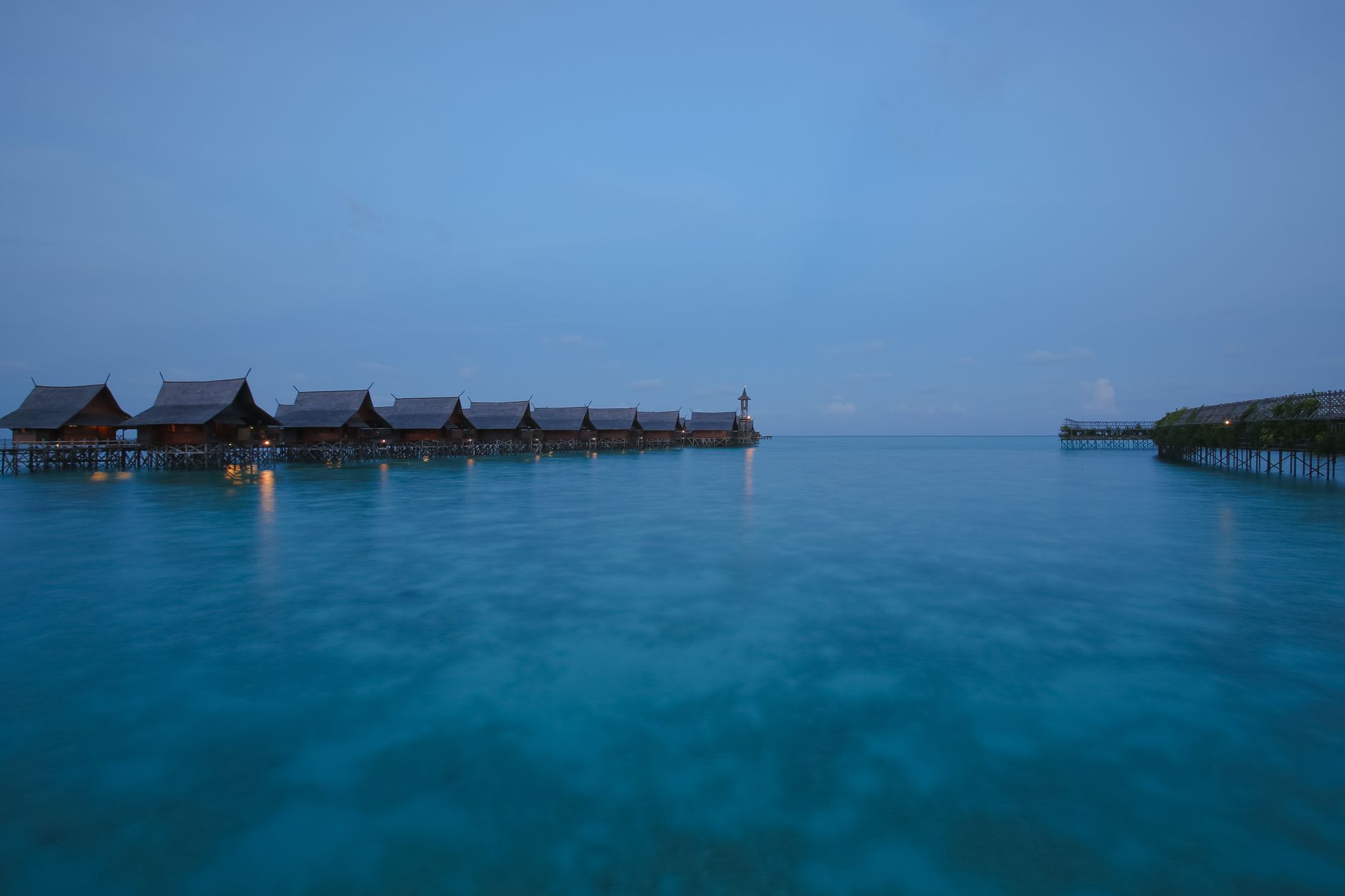
St. Lucia, a stunning Caribbean island known for its dramatic landscapes, lush rainforests, and beautiful beaches, offers a wide variety of accommodation options to suit every traveler’s needs. Whether you’re seeking luxury resorts, budget-friendly hotels, or cozy guesthouses, knowing where to stay can enhance your experience on this enchanting island.
This guide will help you navigate through the best areas to stay in St. Lucia, what each region has to offer, and tips for planning your visit, ensuring you find the perfect spot to lay your head after a day of exploration.
Where To Stay In St Lucia?
When considering the best places to stay in St. Lucia, travelers should focus on key areas, including Gros Islet, Soufrière, Castries, and Vieux Fort, as each offers distinct experiences, from vibrant nightlife to serene beaches and nature adventures.
Overview of St. Lucia’s Regions
St. Lucia is divided into several regions, each with its unique charm. Understanding the highlights of these areas will assist you in choosing the right setting for your stay.
Gros Islet
Located in the northern part of the island, Gros Islet is famous for its lively atmosphere and picturesque beaches. This area is home to the popular Friday Night Street Party, where visitors can enjoy local food, music, and dancing.
Soufrière
The heart of St. Lucia’s natural beauty, Soufrière is renowned for its stunning Pitons, volcanic beaches, and hot springs. This region is ideal for tourists interested in outdoor adventures, including hiking and snorkeling.
Castries
As the capital of St. Lucia, Castries offers an urban experience with local markets, cultural sites, and dining. It’s a great base if you prefer accessibility to shops and transportation options.
Vieux Fort
Situated in the south, Vieux Fort is home to the island’s international airport (Hewanorra). This area features unspoiled beaches and a more laid-back vibe, making it perfect for those seeking tranquility.
Best Areas For Different Traveler Types
St. Lucia caters to a variety of traveler types, from families and honeymooners to solo adventurers. Here’s a breakdown of the best areas to stay based on preferences.
Luxury Travelers
For those looking for luxury and indulgence, the best place to stay is in or near Soufrière and Gros Islet. This area hosts some of the island’s top-tier resorts.
- Jade Mountain Resort – Situated on a hillside overlooking the Pitons, this resort is known for its stunning architecture and personalized service.
- Sugar Beach, A Viceroy Resort – Located between the Pitons, it offers luxury villas, private beaches, and a world-class spa.
- Cap Maison Resort & Spa – An elegant beachfront resort in Gros Islet known for its excellent dining and sunset views.
Budget Travelers
If you are traveling on a budget, consider staying in Castries or Gros Islet. The options here range from guesthouses to affordable hotels.
- The Ginger Lily Hotel – A quaint hotel in Gros Islet that is affordable, comfortable, and close to the beach.
- Hewanorra Gardens – Located in Vieux Fort, this guesthouse offers budget accommodation with homey vibes.
Families
Families might prefer accommodations in Rodney Bay or Castries, where family-friendly activities and amenities abound.
- Bay Gardens Beach Resort – A family-friendly resort in Rodney Bay with spacious suites and various activities for children.
- Marigot Beach Club & Dive Resort – Offers accommodations close to the beach and several water sports activities.
Romantic Getaways
Honeymooners and couples will find idyllic settings in Soufrière and the Anse Chastanet area, featuring serene environments perfect for romance.
- Anse Chastanet Resort – Nestled between two beaches, the resort emphasizes a romantic atmosphere with stunning sea views.
- Stonefield Villa Resort – Offers private villas set in lush gardens, ideal for couples wanting privacy and tranquility.
Transportation and Getting Around St. Lucia
Getting around St. Lucia can be straightforward, but knowing your options will enhance your travel experience.
Local Transportation
- Rental Cars – Renting a car provides flexibility, especially if you plan to explore different regions. Ensure to familiarize yourself with local driving norms.
- Taxis – Readily available, most taxis are not metered, so it’s advisable to agree on a fare before starting your journey.
- Public Buses – A cost-effective option, although less reliable, public buses can connect you between towns.
Airport Transfers
Hewanorra International Airport (UVF) serves most international flights. Pre-book airport transfers through your hotel or use local taxi services upon arrival.
When to Visit St. Lucia
St. Lucia enjoys a tropical climate, but timing your trip can make a significant difference in your experience.
Peak Season
The peak tourist season runs from mid-December to mid-April. During this time, the weather is typically dry and popular tourist spots can be bustling.
Off-Peak Season
The off-peak season (May to November) features lower prices and fewer crowds but comes with the possibility of rain and hurricanes, especially from August to October.
Best Time For Specific Activities
- Snorkeling & Diving: Best from November to April when water visibility is high.
- Hiking: Early morning hikes are recommended year-round to avoid the heat.
- Festivals: If you’re interested in cultural events, consider visiting during the Saint Lucia Carnival in July.
Length of Stay
The recommended length of stay depends on your interests but generally, a week is ideal. This allows ample time to explore the island while enjoying relaxation and leisure.
Accommodation Budget Considerations
Budget allows for different types of accommodations. Here’s a rough breakdown of what you can expect:
- Luxury Resorts: $300 and up per night.
- Mid-range Hotels: $150 – $300 per night.
- Budget Accommodation: $50 – $150 per night.
Remember, booking in advance can often lead to better rates and availability.
Practical Planning Tips
Consider these planning tips to make the most of your trip to St. Lucia:
- Travel Insurance: Highly recommended to cover health emergencies and trip cancellations.
- Local Currency: Eastern Caribbean Dollar (XCD); some places accept USD, but it’s advisable to carry local currency.
- Power Adapter: St. Lucia uses 220V with British-style three-pin plugs, so bring a suitable adapter.
- Health Precautions: Stay hydrated and use sunscreen, especially while hiking or at the beach.
Accessibility Considerations
St. Lucia can present accessibility challenges because of its rugged terrain. It’s wise to check the accessibility options at your chosen accommodation if necessary.
Safety Tips
While St. Lucia is generally considered safe for tourists, exercising caution is prudent. Be aware of your surroundings, secure your belongings, and avoid poorly lit areas at night.
The best areas to stay in St. Lucia provide travelers with a variety of options that match their preferences, making it a negative factor for some to feel overwhelmed. Having a clear understanding of your needs, budget, and desired activities will help you make the right choice.
To summarize, St. Lucia offers a wealth of accommodations from luxury resorts to budget-friendly lodgings. Choose the area that best suits your interests for an enjoyable vacation. Aim for a week-long stay to truly experience what the island has to offer.
Now that you are equipped with accommodation insights, consider exploring related destination guides and travel-planning articles to further enhance your trip. Take a look at where to stay in Osaka and where to stay in Lisbon for more travel planning tips.