
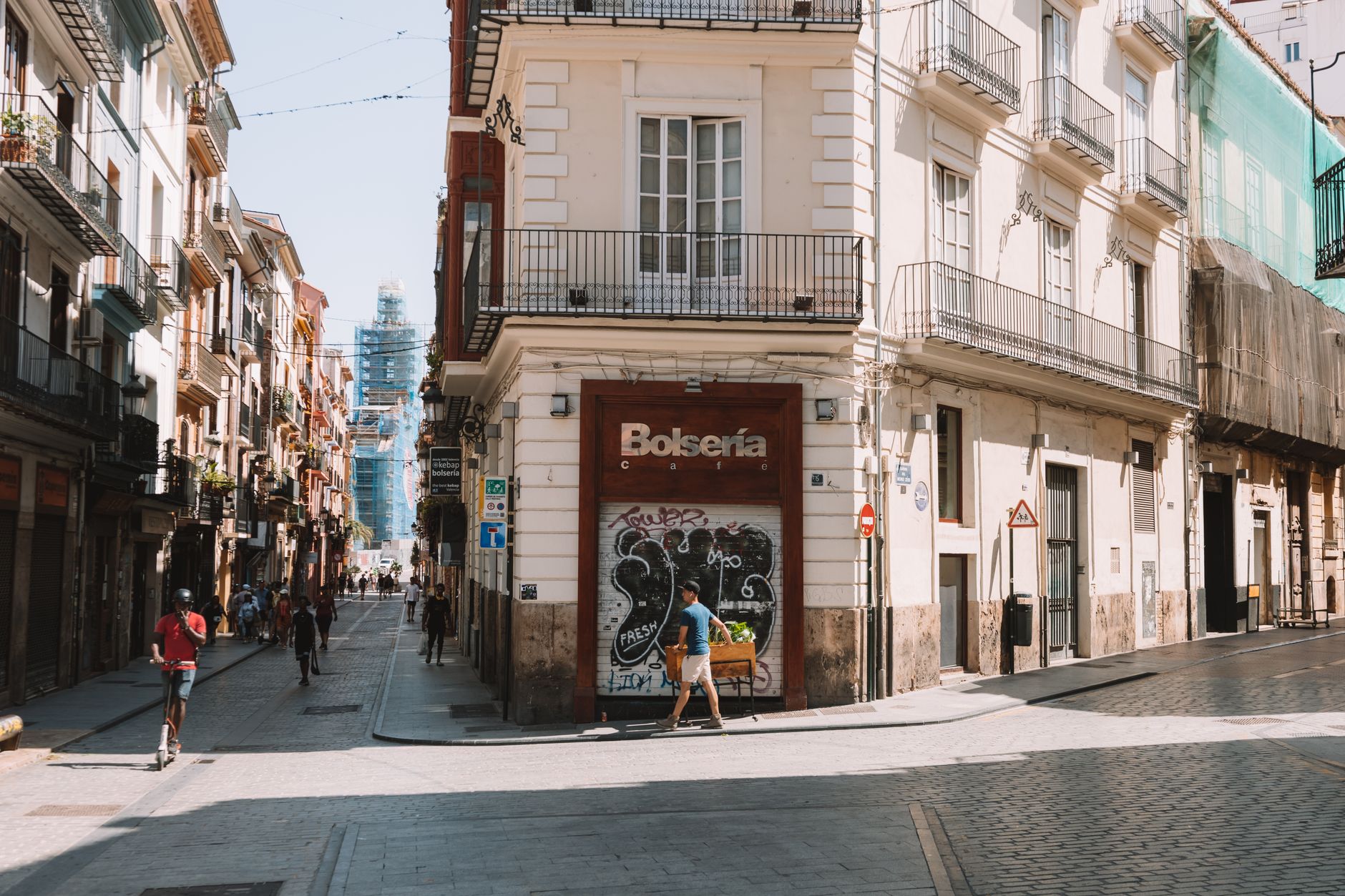
Traveling to Spain is a wonderful experience, but many prospective visitors often wonder: is Spain safe? This guide explores the safety landscape in Spain, helping you prepare for your trip with practical insights.
The country is known for its vibrant culture, historic sites, and delicious cuisine, but understanding safety considerations is essential. This article will cover various aspects of safety in Spain, including crime rates, transportation safety, health considerations, and useful travel tips.
Is Spain Safe?
Yes, Spain is generally a safe destination for travelers. While petty crime exists, violent crime is rare. By taking standard precautions and staying aware of your surroundings, you can enjoy your trip with peace of mind.
Understanding Crime Rates in Spain
Spain has relatively low crime rates compared to many other countries, making it a favored destination for travelers. According to statistics, the majority of crimes reported are non-violent offenses.
Petty Crime
Petty crimes, such as pickpocketing and bag snatching, are the most common issues tourists may face. These often occur in crowded areas, such as:
- Public transport (especially on subways and buses)
- Tourist attractions
- Markets
- Restaurants and cafés
Keep your belongings secure, and remain vigilant in busy environments.
Violent Crime
Violent crime rates in Spain are low, especially in major cities. Most incidents occur in urban areas, and results of broader socio-economic issues. However, visitors are unlikely to encounter violent crime.
Transportation Safety
Getting around Spain is generally safe, whether you are using public transport or renting a car. Here’s what to keep in mind.
Public Transport
Spain’s public transport system is efficient and relatively safe. However, follow these precautions for a secure experience:
- Keep your belongings close.
- Avoid displaying expensive items.
- Be cautious at night; use reputable transport services.
Major cities like Madrid and Barcelona have developed metro systems that are convenient for tourists.
Driving in Spain
If you plan to rent a car, Spanish roads are generally well-maintained, and traffic rules are enforced. Here are some tips:
- Familiarize yourself with local driving laws, including speed limits and alcohol limits.
- Be cautious on rural roads which can be narrow.
- Use parking facilities to reduce theft risk.
Road signs are generally clear, and GPS services can help you navigate.
Health and Medical Safety
Staying healthy during your trip is crucial. Spain has good healthcare services, but travelers should also be prepared.
Travel Insurance
It’s highly recommended to obtain travel insurance that covers potential medical expenses. Be sure to choose a plan with provisions for medical emergencies, trip cancellations, and lost belongings.
Healthcare Facilities
Spain provides public healthcare services, but wait times can vary. Emergency services can be reached by calling 112. Many pharmacies are available for minor ailments. For severe medical issues, private hospitals are an option and often have English-speaking staff.
Natural Disasters
Natural disasters in Spain are relatively rare. However, it’s wise to be prepared for earthquakes in certain regions. Familiarize yourself with safety procedures and guidelines.
Safety Tips for Travelers
Here is a comprehensive set of tips to ensure your safety while visiting Spain:
- Stay alert: Be mindful of your surroundings, especially in crowded areas.
- Secure your belongings: Use anti-theft bags and keep valuables out of sight.
- Blend in: Avoid tourist traps by learning local customs and languages.
- Use reputable transportation: Opt for licensed taxis or rideshare apps.
- Stay sober: Keep your alcohol consumption in check to maintain awareness.
- Plan your routes: Familiarize yourself with your destination and safe areas to be.
Emergency Contacts
Having emergency contact numbers handy can be crucial for your safety. Here are important contacts in Spain:
- Emergency Services: Dial 112 for police, fire, or medical emergencies.
- Local Police: 091 for national police, 092 for local police.
- Embassies and Consulates: Keep contact information for your country’s embassy.
Culture and Respect
Spain is rich in culture, and respecting local customs can enhance your travel experience. Understanding cultural norms contributes to safety and goodwill.
Cultural Sensitivity
Being mindful and respectful of local customs is crucial. Some guidelines include:
- Dress appropriately, especially in religious sites.
- Use polite language and greetings.
- Avoid discussing sensitive topics like politics.
Language
While many Spaniards understand English, learning a few key phrases can benefit communication. Simple greetings or phrases can go a long way in engaging with locals.
Travel Adjustments During Events
Safety considerations may shift during major events or festivals in Spain. While these can be exciting, they also amplify risks such as greater crowds and potential for petty crime. Remain aware of your surroundings during these times.
When is the Best Time to Visit Spain?
The safety of your trip can also depend on when you visit. Here’s a brief overview:
- Spring (March to May): Ideal for pleasant weather and fewer tourists.
- Summer (June to August): Popular, but crowded and can be hot, leading to some thefts.
- Autumn (September to November): Another great time with comfortable temperatures and fewer crowds.
- Winter (December to February): While it’s colder, off-season discounts can be an advantage.
Suggested Length of Stay
For a well-rounded experience, plan for at least one week in Spain. This duration allows you to visit multiple cities, such as:
- Barcelona
- Madrid
- Seville
- Valencia
Budget Considerations
Your budget influences your safety practices in various ways. Here are some important considerations and potential costs:
- Accommodation: Prioritize reputable hotels or accommodations with good reviews.
- Dining: Enjoy local cuisine at eateries favored by locals rather than overpriced tourist spots.
- Transport: Use public transport to save money and reduce the risk associated with car rentals and driving.
Practical Planning Tips
Consider these practical tips to ensure a safe trip:
- Check the local laws: Understanding local laws can prevent unnecessary troubles.
- Follow travel advisories: Keep updated with travel advisories from your government.
- Keep copies of important documents: Make copies of your passport, travel insurance, and emergency contacts.
Accessibility Considerations
If you or anyone in your group has disabilities, check for accessibility resources. Major cities in Spain generally have improved accessibility in public transport and public attractions.
Traveling alone can be fulfilling, but lonely foster feelings of vulnerability. If you’re traveling solo, try these tips:
- Share your itinerary with someone you trust.
- Choose accommodations with positive reviews for solo travelers.
- Engage with fellow travelers at social venues.
Whether you’re a solo traveler or part of a larger group, maintaining a balance of safety and adventurous exploration will enhance your experience in Spain.
Overall, while every travel destination has its risks, Spain remains one of the safer options for tourists when appropriate precautions are taken. The beauty, culture, and history await you, and with thoughtful planning, you’ll have a safe and memorable experience.
For more safety-related travel guides, explore our articles: Is Spirit Airlines Safe? and Is Portland Oregon Safe?.