
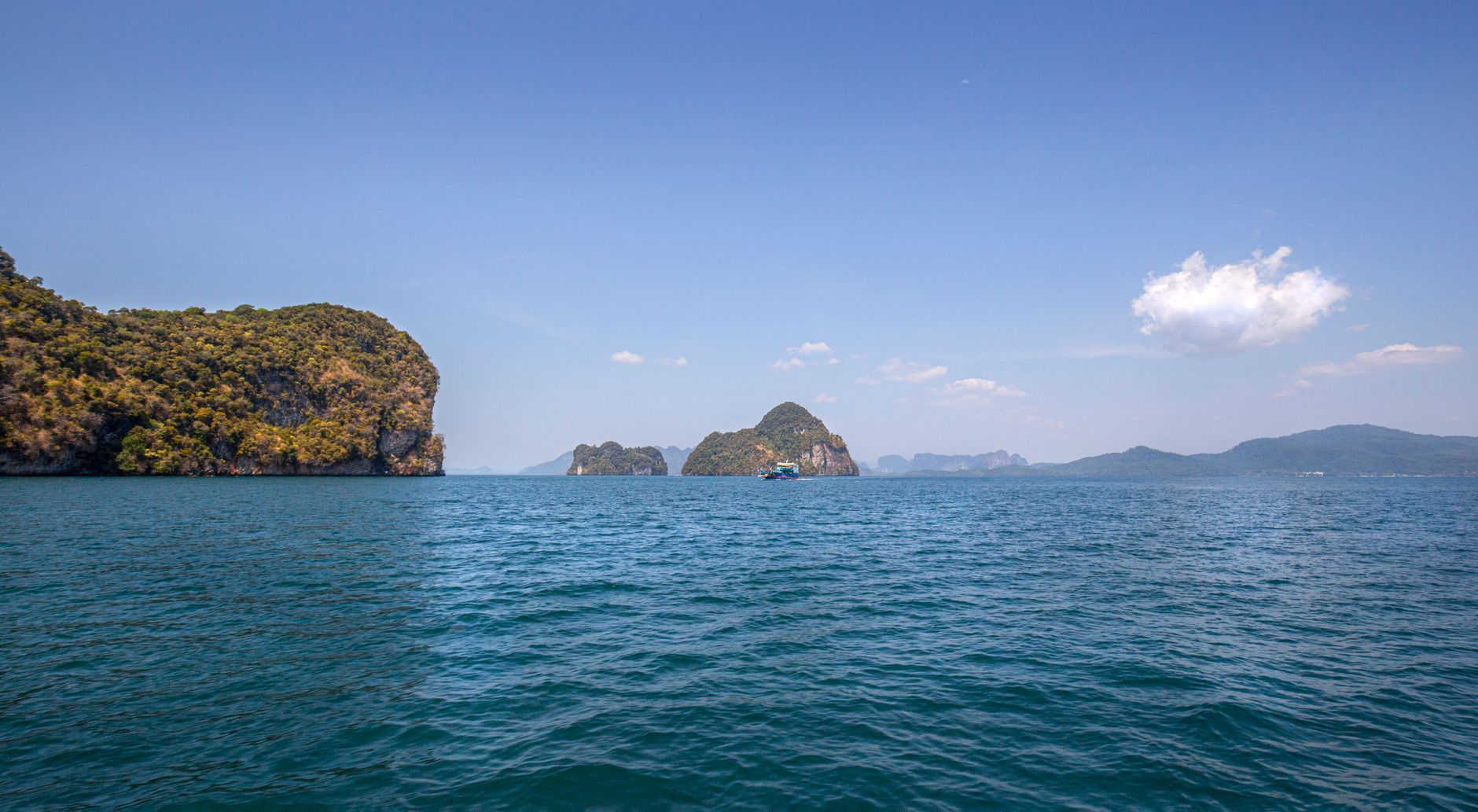
The Galapagos Islands, renowned for their unique wildlife and stunning landscapes, are a part of Ecuador. This archipelago, located in the Pacific Ocean, is often celebrated as a living museum of evolutionary change, attracting thousands of visitors each year. In this guide, we’ll explore the islands’ significance, how to visit, and what makes them a top travel destination.
Understanding the ownership of the Galapagos Islands is crucial for any traveler planning a visit. Belonging to Ecuador, the islands are not only a national treasure but also a UNESCO World Heritage site that plays a vital role in the conservation of various species that inspired Charles Darwin’s theory of evolution.
The Galapagos Islands Belong To Which Country?
The question of which country the Galapagos Islands belong to is straightforward: they are part of Ecuador. This association influences everything from travel regulations to conservation efforts in this unique ecosystem. Exploring the islands involves understanding their geography, history, and the ecological significance of their wildlife.
Why Visit the Galapagos Islands?
The Galapagos Islands are worthy of a visit for several reasons:
- Unique Wildlife: The islands are home to species that cannot be found anywhere else on Earth, including the famed Galapagos tortoises, marine iguanas, and blue-footed boobies.
- Rich History: The islands played an essential role in scientific discovery and are famously linked to Charles Darwin and his theory of evolution.
- Diverse Ecosystems: From lush highlands to arid lowlands, the islands offer varied landscapes and ecosystems for exploration.
- Adventure Activities: Snorkeling, diving, hiking, and wildlife watching opportunities abound.
Overview of the Galapagos Islands
The Galapagos archipelago consists of 18 major islands, 3 smaller islands, and over 100 islets and rocks. The largest island is Isabela, followed by Santa Cruz, San Cristobal, and Floreana. Each island possesses distinct ecosystems and wildlife, making them ideal for various forms of exploration and discovery.
Getting to the Galapagos Islands
To visit the Galapagos Islands, travelers typically fly into Ecuador’s capital, Quito, or Guayaquil, before taking a domestic flight to either Baltra or San Cristobal Island. Here are some details to consider:
- International Flights: Most travelers arrive in Ecuador through Quito or Guayaquil. Check for flights from your location to these cities.
- Domestic Flights: LATAM and Avianca Airlines operate flights from Quito and Guayaquil to the Galapagos Islands. Book your flights in advance, as space can fill up quickly.
- Entry Fee: Upon arrival, visitors must pay a Galapagos National Park entrance fee, which is subject to change, so check official sources for current rates.
Transportation in the Galapagos Islands
Once in the Galapagos, transportation options vary based on your itinerary:
Boat Tours and Cruises
One of the most popular ways to explore the islands is by joining a cruise that allows you to visit multiple islands. Options range from luxury yachts to budget-friendly options. Cruises usually last between 4 to 14 days.
Inter-Island Ferries
If you prefer to explore independently, inter-island ferries operate between the main islands. The ferry schedules can be irregular, so plan accordingly and check schedules in advance.
Local Transportation
On each island, there are local buses, taxis, and rental cars available. However, vehicles are limited on some islands like Santa Cruz, so consider walking or biking to explore.
Where to Stay in the Galapagos Islands
Accommodation in the Galapagos Islands caters to various budgets and preferences. Options include hotels, hostels, and lodges on the main inhabited islands, as well as liveaboard options for cruises. Here’s what to consider:
Santa Cruz Island
This island is known for its accessibility and range of accommodations:
- Luxury: Hotel Fiesta, located in Puerto Ayora, offers upscale amenities, beautiful views, and easy access to local attractions.
- Mid-range: Pelican Bay Hotel is a great option for those looking for comfort without breaking the bank.
- Budget: There are several hostels in Puerto Ayora, such as Hostal Galapagos, providing budget-friendly sleeping options.
San Cristobal Island
Known for its wildlife, San Cristobal also offers various accommodation options:
- Luxury: Golden Bay Hotel features luxurious accommodations and stunning ocean views.
- Mid-range: Hotel San Vicente is a comfortable choice with great service in Puerto Baquerizo Moreno.
- Budget: Hostal Casa Blanca is an affordable option close to the beach.
Isabela Island
This island is slightly less developed, but here are some options:
- Luxury: Hotel La Casa de Marita offers comfortable accommodations with stunning views.
- Mid-range: Hotel Cielo de Puerto Villamil offers nice rooms and a fantastic beach.
- Budget: Hostal Los Flamingos is a family-run hostel with affordable prices.
Best Times to Visit the Galapagos Islands
The ideal time to visit the Galapagos Islands largely depends on the types of activities you want to experience:
- Warm Season (December to May): This period is characterized by warmer weather and calm seas, making it optimal for snorkeling and diving.
- Cool Season (June to November): Cooler temperatures and rougher seas occur, but this time is great for wildlife watching, as many species are more active.
The Galapagos can be enjoyed year-round, but consider your preferences when planning the best time to visit.
Suggested Itinerary for Visiting the Galapagos Islands
Depending on your interests, a suggested itinerary for a week in the Galapagos Islands can provide a balanced experience.
Day 1: Arrival in Quito
Arrive in Quito and acclimatize to the altitude. Visit historical sites like Plaza de la Independencia or the Middle of the World monument.
Day 2: Flight to Baltra & Santa Cruz Island
Fly from Quito to Baltra. After arriving, take a bus and ferry to Puerto Ayora. Explore the town and visit the Charles Darwin Research Station.
Day 3: Santa Cruz & Tortuga Bay
Spend the day at Tortuga Bay; enjoy water activities or simply relax on the beach. Visit the lava tunnels afterward.
Day 4: Day Trip to North Seymour Island
Take a day trip to North Seymour to see blue-footed boobies and land iguanas. Snorkel with sea lions and marine life.
Day 5: Isabela Island Exploration
Travel to Isabela Island via ferry. Explore the Sierra Negra volcano and the wild tortoises in the area.
Day 6: Snorkeling at Los Tuneles
Go on a snorkeling tour to Los Tuneles, known for its breathtaking underwater landscapes and plentiful marine life.
Day 7: Return to Quito
Return to Santa Cruz and then fly back to Quito. Enjoy your last evening exploring the city or relaxing.
Outdoor Activities in the Galapagos Islands
Adventure seekers will find plenty to do in the Galapagos:
- Snorkeling and Diving: The islands host some of the most biodiverse waters on the planet. Book tours that include interaction with sea turtles, rays, and sharks.
- Hiking: Trails range from easy walks to challenging treks at places like Sierra Negra volcano on Isabela.
- Wildlife Viewing: Numerous opportunities exist to see wildlife up close, from giant tortoises to marine iguanas.
- Kayaking: Rent kayaks to explore the coastal areas and hidden coves of various islands.
Budget Considerations for the Galapagos Islands
Traveling to and within the Galapagos Islands may be pricier than other destinations, but there are ways to manage costs:
- Selecting Accommodations: Research and choose accommodations that suit your budget, keeping in mind that some islands offer more affordable options than others.
- Dining: Eat local cuisine at smaller restaurants or try food trucks for budget-friendly meals.
- Transportation: Consider taking inter-island ferries instead of cruises for a more budget-friendly way to explore multiple islands.
- Activities: Look for package deals that offer multiple activities at a discounted rate.
Health and Safety Considerations
Traveling in the Galapagos involves some health and safety considerations:
- Vaccinations: Check recommended vaccinations and health guidelines prior to traveling. Staying updated on routine vaccines is also wise.
- Sun Protection: The sun can be intense; bring sunscreen, hats, and UV-protective clothing.
- Water Safety: Pay attention to snorkeling and diving guidelines to avoid risk and responsibly enjoy the water.
Accessibility in the Galapagos Islands
Traveling to and around the Galapagos Islands can be challenging for those with mobility issues. While some areas are accessible, many attractions require walking, hiking, or navigating uneven terrain. Consider opting for organized tours that cater to different accessibility needs.
Conclusion
With their unique wildlife, stunning landscapes, and rich history, the Galapagos Islands offer an unforgettable travel experience. Visitors can enjoy activities ranging from snorkeling to hiking, all while learning about the importance of wildlife conservation. Whether planning a cruise or an island-hopping adventure, understanding how to traverse this remarkable archipelago will help ensure your trip is as smooth as possible.
For more insights into traveling to the Galapagos Islands, check out more about their location at Where Are The Galapagos Islands?, or explore the country connection with Barcelona: Which Country?.