
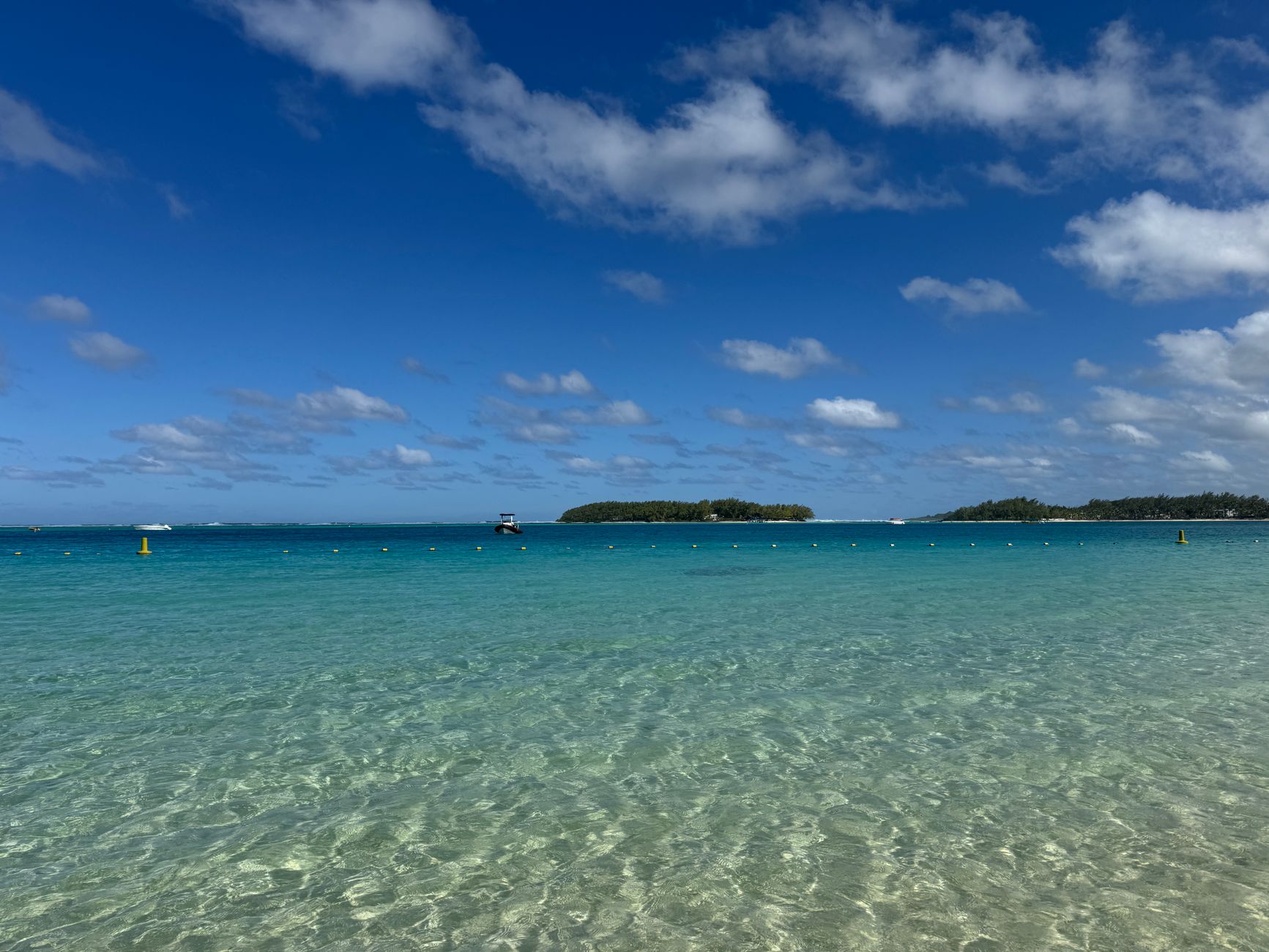
The Galapagos Islands are a remarkable archipelago located in the Pacific Ocean, approximately 600 miles off the coast of Ecuador. Known for their incredible biodiversity and unique species, they play a crucial role in the study of evolution. The Islands are a UNESCO World Heritage site and were famously visited by Charles Darwin, who drew inspiration from their distinctive wildlife.
This travel guide will explore the location of the Galapagos Islands, how to get there, best times to visit, what to do upon arrival, accommodation options, and transportation methods to help you plan your unforgettable trip.
Where Are The Galapagos Islands?
The Galapagos Islands are situated in the Pacific Ocean, straddling the equator. The archipelago consists of 13 major islands and more than 100 smaller islets and rocks. The islands are predominantly part of Ecuador, which governs them. They are approximately 70% marine reserve, protecting diverse ecosystems and a plethora of marine life.
The largest islands include Isabela, San Cristobal, Santa Cruz, and Florena. Each island has unique geological made, wildlife, and environmental regulations aimed at preserving the natural heritage of the region. This distinct positioning makes the Galapagos a living laboratory for studying natural selection, attracting visitors from all over the world.
How Do You Get to the Galapagos Islands?
Traveling to the Galapagos Islands involves a couple of steps. The most common route is to fly into Ecuador and then take a connecting flight to one of the two main airports in the Galapagos: Baltra Airport and San Cristobal Airport.
Step 1: Flights to Ecuador
- Most international flights will arrive at Mariscal Sucre International Airport (UIO) in Quito or José Joaquín de Olmedo International Airport (GYE) in Guayaquil.
- Check with your airline for the possibility of flying directly into one of these cities from your departure location.
Step 2: Flight to the Galapagos Islands
- From Quito or Guayaquil, take a flight to Baltra or San Cristobal. Airlines such as Avianca, LATAM, and TAME operate scheduled flights to the islands.
- Make sure to book your flights in advance, as seats on these flights can fill up quickly. Expect flight times to be around 1.5 to 2 hours from mainland Ecuador.
Step 3: Entering the Galapagos
Upon arrival, travelers must pay a Galapagos National Park entrance fee, which contributes to the conservation of the unique natural environment. Remember to bring your passport and retain your boarding pass as it may be requested.
Best Times to Visit the Galapagos Islands
The Galapagos Islands have a unique climate influenced by ocean currents and seasonal variations. There are two main seasons: the cool, dry season and the warm, wet season.
Cool, Dry Season (June to December)
- Temperatures range from 60°F to 80°F (16°C to 27°C).
- This season is generally drier, with less humidity.
- Wildlife is active during this season, and it’s an excellent time for snorkeling and scuba diving.
Warm, Wet Season (January to May)
- Temperatures can reach up to 80°F to 90°F (27°C to 32°C).
- This season sees more rainfall and higher humidity.
- The warm waters attract a variety of marine life, making it ideal for snorkeling enthusiasts.
While the islands are a year-round destination, the best time to visit depends on activities you want to indulge in, such as wildlife observation or marine exploration.
Suggested Length of Stay
A suggested length of stay in the Galapagos Islands is around 5 to 7 days. This duration allows ample time for exploration, wildlife watching, and relaxation. Depending on your interests, you could spend more time diving into specific activities, such as hiking, snorkeling, or engaging with local tour providers.
What to Do in the Galapagos Islands
The Galapagos Islands offer a wealth of activities tailored to nature lovers, adventure seekers, and casual travelers. It’s essential to plan your itinerary according to your interests. Here’s a selection of activities you should consider:
Wildlife Viewing
- Visit the Charles Darwin Research Station on Santa Cruz Island to learn about conservation efforts and see giant tortoises.
- Explore the wildlife-rich environments such as the Galapagos Marine Reserve, where you can observe sea lions, turtles, and colorful fish.
Snorkeling and Diving
- Go snorkeling in spots like Devil’s Crown and Kicker Rock to experience the underwater paradise filled with marine life.
- Book a diving tour for opportunities to meet hammerhead sharks, manta rays, and other impressive sea creatures.
Hiking
- Hike the Sierra Negra Volcano on Isabela Island for breathtaking views and a chance to see unique terrain.
- Take leisurely walks at the various visitor sites, including Tortoise Breeding Center and Tortuga Bay.
Island Hopping
- Take day trips to nearby islands like Española, Floreana, and Genovesa using designated tours or ferries.
- Experience varying landscapes and wildlife on each island, from volcanic craters to sandy beaches.
Cultural Experiences
- Engage with local communities to learn about their culture and conservation efforts.
- Try traditional dishes made with fresh seafood and local ingredients at restaurants on the islands.
Transportation in the Galapagos Islands
Getting around the Galapagos Islands can be done most effectively with a combination of boat transfers, local taxis, and guided tours. Here’s how to navigate the islands:
Inter-Island Travel
- The easiest way to hop between islands is by taking a speedboat or ferry service. These can be booked on-site or in advance.
- Chartering a yacht or joining an organized cruise is another popular way to explore numerous islands at once.
On Each Island
- Most islands have local taxis or shuttle services that provide transportation to various attractions.
- On smaller islands, walking is a popular and eco-friendly way to explore local attractions.
Where to Stay in the Galapagos Islands
Accommodations in the Galapagos vary from luxury lodges to budget-friendly hostels. Here’s a breakdown of where to stay, depending on your travel style:
Luxury Accommodation
- High-end resorts and eco-lodges provide a comfortable base with luxury amenities and guided tours.
- Some popular luxury options include the Finch Bay Eco Hotel and the Galapagos Safari Camp.
Mid-Range Accommodation
- Comfortable hotels and boutique lodgings provide a good balance between comfort and cost.
- Consider staying in places like Hotel Angermeyer Waterfront Inn or Royal Palm Hotel.
Budget Accommodation
- Hostels and budget hotels offer essential amenities for backpackers and budget travelers.
- Check options like the Blue House or Hostal La Casa de Judy for affordable rates.
Reservations are recommended in advance, especially during the high season, to ensure availability at your desired location.
Food and Drink in the Galapagos Islands
The Galapagos Islands offer an array of dining options, showcasing the local cuisine as well as international dishes. Here’s what you should know about food and drink:
What to Expect
- Seafood is prominent, with fresh catches often served at local restaurants.
- Typical dishes include ceviche, grilled fish, and local specialties like encebollado (tuna soup).
Dining Options
- Restaurants on Santa Cruz and San Cristobal islands offer casual dining with local flavors and impressive views.
- Food trucks and markets also provide affordable meals for visitors on the go.
Budget Considerations
Traveling to the Galapagos Islands can vary in cost depending on your style of travel. Here’s a budget overview:
Typical Costs
- Flights from mainland Ecuador: $200-$600 depending on the season and routing.
- Accommodation: Expect to pay anywhere from $20 for budget stays to $300+ for luxury lodges.
- Food: Meals can range from $5 at local eateries to $50+ at upscale restaurants.
- Activities and tours can also add to expenses: budget $100 – $250 per day, depending on your chosen experiences.
Travel Tips
- Book your flights and accommodations in advance.
- Be mindful of the National Park fees and budget for tours and activities.
- Consider traveling during the shoulder seasons for potentially lower prices.
Accessibility and Safety Considerations
The Galapagos Islands are generally safe to visit, but like any travel destination, precautions are essential. Here are some tips to ensure a smooth experience:
Health and Safety
- Travelers should stay updated with health requirements and necessary vaccinations for travel to Ecuador.
- Ensure travel insurance covers activities you plan to partake in, such as scuba diving or hiking.
Accessibility
- The Galapagos Islands cater well to various travel styles, including families and solo travelers.
- Note that some islands have limited accessibility for people with mobility issues; check itineraries with travel companies in advance.
Being respectful of the environment and wildlife is crucial. Following local guidelines will help preserve the beauty of the Galapagos and enhance everyone’s experience.
Conclusion
The Galapagos Islands offer unparalleled opportunities for exploration, wildlife observation, and relaxation. Understanding their unique geography and logistics will aid in planning a successful trip. Start by watching flight prices and aligning your travel dates with the preferred season for your activities. Make sure to check local resources or travel advisories for the most current information about entry rules and necessary precautions. Happy travels!
For additional insights, consider exploring our related guides on things to do in Victoria, BC and things to do in Monterey Bay, California.