
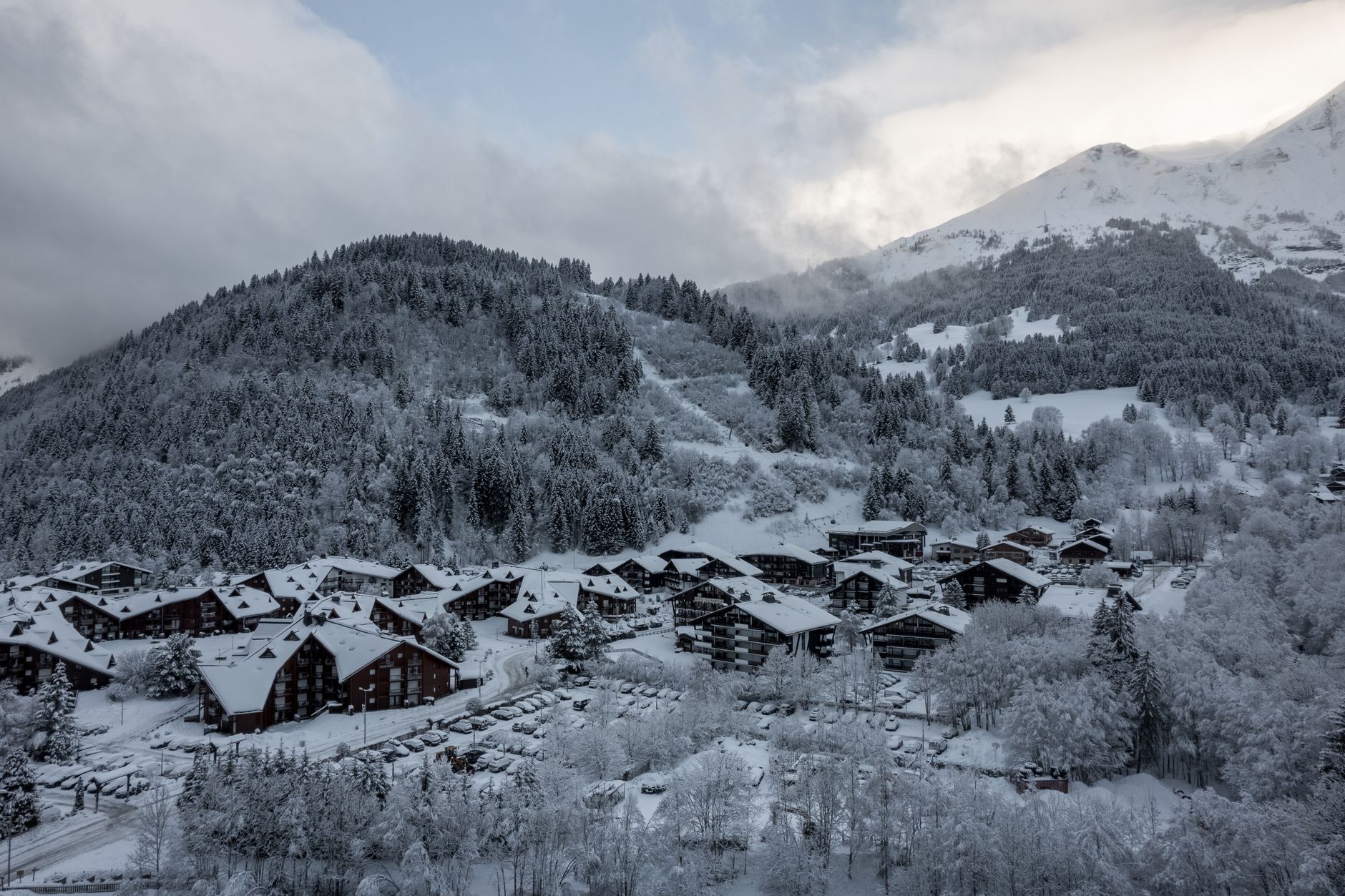
The question of whether it snows in France is a common one for travelers planning a winter trip. The answer is yes, it does snow in various regions, although snowfall can vary significantly based on location and climate. This article will explore the areas in France that receive snow, when to expect it, and tips for enjoying all the snowy weather has to offer.
From the iconic Eiffel Tower dusted in white to the breathtaking peaks of the French Alps, there’s something magical about experiencing snow in France. In the following sections, we’ll delve into France’s snowy landscapes, popular destinations for winter sports, and practical information for travelers.
Does It Snow In France?
Yes, it does snow in France, particularly in the mountainous regions, northeastern areas, and some northern parts of the country. The snow season generally runs from December to February, but it can vary based on altitude and regional climate. Ski resorts and snow-capped villages provide picturesque winter landscapes and numerous activities for visitors to enjoy.
Where Does It Snow in France?
France has several regions where snow is a common occurrence during winter. The most prominent areas include:
- The French Alps: Known for world-class ski resorts such as Chamonix, Courchevel, and Méribel, the French Alps receive heavy snowfall, making them an idyllic winter destination.
- The Pyrenees: Situated on the border with Spain, the Pyrenees mountain range offers stunning winter landscapes and excellent skiing opportunities in resorts like Baqueira Beret and Cauterets.
- The Vosges Mountains: Located in northeastern France, the Vosges region experiences significant snowfall and offers winter sports in resorts such as La Bresse and Gérardmer.
- The Jura Mountains: This mountain range near the Swiss border receives snow and is popular for skiing and cross-country skiing, particularly in areas like Les Rousses.
- Northern France: Regions like Alsace and Champagne often see light snow during winter, particularly in December and January, creating a charming atmosphere in towns like Strasbourg and Reims.
When Does It Snow in France?
Snowfall in France can vary greatly by region, but here are some general guidelines:
- December: The beginning of winter brings occasional snow, especially in the Alpine region, where ski resorts start opening.
- January: This month typically sees the most snowfall in the mountainous areas, making it ideal for skiing and winter sports enthusiasts.
- February: Snow conditions often remain excellent in the ski resorts, with many families choosing to go on winter holidays during this month due to school vacations.
- March: Although some areas may still see snow, temperatures begin to rise, and the snow starts to melt, especially in lower altitudes.
Winter Activities in Snowy France
Whether you are a winter sports fanatic or simply want to enjoy the seasonal landscape, France offers a variety of activities in snowy regions. Here are some popular winter activities to consider:
- Skiing and Snowboarding: With countless ski resorts in the French Alps and the Pyrenees, skiing is one of the top winter activities. You’ll find slopes for all skill levels.
- Snowshoeing: Snowshoeing can be a fantastic way to explore winter trails without skiing. The French Alps and Jura have marked snowshoeing pathways.
- Winter Hiking: Some trails remain open for winter hiking, offering a peaceful way to enjoy snow-covered landscapes. Be sure to check trail conditions beforehand.
- Ice Skating: Many towns and cities set up outdoor ice skating rinks during the winter months, such as the rink near the Hôtel de Ville in Paris.
- Visiting Christmas Markets: If you visit in December, exploring the festive Christmas markets is a must. Enjoy seasonal treats, hot chocolate, and local crafts.
Getting to Snowy Regions in France
Traveling to the snowy regions in France is relatively easy, thanks to the well-connected transportation system. Here’s an overview of how to get there:
- By Train: France’s high-speed trains (TGV) connect major cities with ski resorts. For instance, TGV trains from Paris can reach the French Alps in under four hours.
- By Car: Renting a car can be an excellent option if you want to explore multiple ski resorts or remote winter villages. Be prepared for winter driving conditions, and check if snow chains are necessary.
- By Bus: Several coach services operate between major cities and mountain resorts, providing affordable alternatives for travelers.
Accommodation Options in Snowy France
Finding the right accommodation can enhance your winter experience in France. Here are some options depending on your preferences:
- Ski Resorts: Many ski resorts offer on-site lodging, ranging from luxury hotels to self-catered chalets, providing easy access to slopes.
- Charming Mountain Villages: Staying in nearby villages can provide a cozy atmosphere. Look for charming inns or guesthouses for a local experience.
- Apartments: Renting a winter apartment can be a budget-friendly option, giving you the freedom to cook and relax after a long day outdoors.
Tips for Traveling in Snowy France
Traveling in winter can pose unique challenges. Here are some practical tips to help you navigate snowy France effectively:
- Dress in Layers: Winter weather can change quickly. Wear layers of clothing, including thermal undergarments, waterproof outerwear, gloves, and warm footwear.
- Stay Informed: Keep an eye on the weather forecast and local conditions, especially if you’re planning outdoor activities or traveling in the mountains.
- Book in Advance: Accommodations and ski passes can fill up quickly during the peak season. Early booking ensures you won’t miss out.
- Plan for Off-Peak Times: If you’d like to avoid crowds at popular resorts, consider visiting during weekdays or in January, after the holiday rush.
Accessibility Considerations
While many ski resorts in France strive to be accessible to all, it’s essential to check the specifics of your destination. Most major ski areas offer:
- Accessible Facilities: Many resorts have adapted equipment and facilities for people with disabilities, including wheelchair-accessible accommodations.
- Ski Lessons: Adaptive ski programs are often available, allowing those of varying abilities to enjoy skiing.
Budgeting for Your Trip to Snowy France
Planning a winter trip can vary greatly in cost depending on your choices regarding accommodation, food, and activities. Here are some budgeting tips:
- Ski Passes: Prices for ski passes can vary significantly between resorts. Research your chosen slopes and plan accordingly. Consider multi-day passes for savings.
- Dining Costs: Eating on the slopes can be expensive. Consider packing snacks or purchasing groceries to save money on meals.
- Transportation: Compare costs between driving, taking trains, or buses. Renting a car may save you time but can incur additional fuel and parking expenses.
What to Pack for a Snowy Trip
To make the most of your winter adventure in France, here is a packing list tailored to snowy conditions:
- Warm, waterproof outerwear
- Insulated gloves and a warm hat
- Thermal underlayers
- Sturdy, waterproof boots with good traction
- Snow goggles or sunglasses
- A backpack for day trips with snacks and water
- Sunscreen (yes, even in winter!)
When to Visit for the Best Snow Experience
The timing of your visit can greatly influence your snowy experience. Here’s a recap of the best times to visit different regions:
- For Skiing: Late December through February is ideal for skiing, with the best conditions often found in January.
- For Christmas Markets: Visit in December to enjoy festive markets that light up towns and cities across France.
- For Lower Crowds: January is recommended for fewer tourists; however, some resorts may offer less snow later in the month.
Exploring French Winter Cuisine
No winter trip to France would be complete without indulging in its delicious winter cuisine. Here are some traditional dishes you might want to try:
- Fondue: Melted cheese served in a communal pot, great for sharing with friends after a long day on the slopes.
- Tartiflette: A hearty dish made of potatoes, cheese, and bacon, perfect for warming up in cold weather.
- Raclette: Another cheese dish where melted cheese is scraped off wheels onto your plate, often accompanied by potatoes and pickles.
- Cider: Warm spiced cider is a winter favorite in Normandy and pairs well with winter meals.
Snow can bring a unique charm to France, offering stunning vistas and various winter activities. Whether you’re skiing down the Alps or exploring quaint villages during a snowfall, France in winter is a travel experience that should not be overlooked.
For travelers curious about snowy city experiences, consider exploring our guide on snow in Paris or dive into the cultural heritage with insights on what France is known for. Each of these articles can enhance your understanding and enjoyment of France during the winter months.