
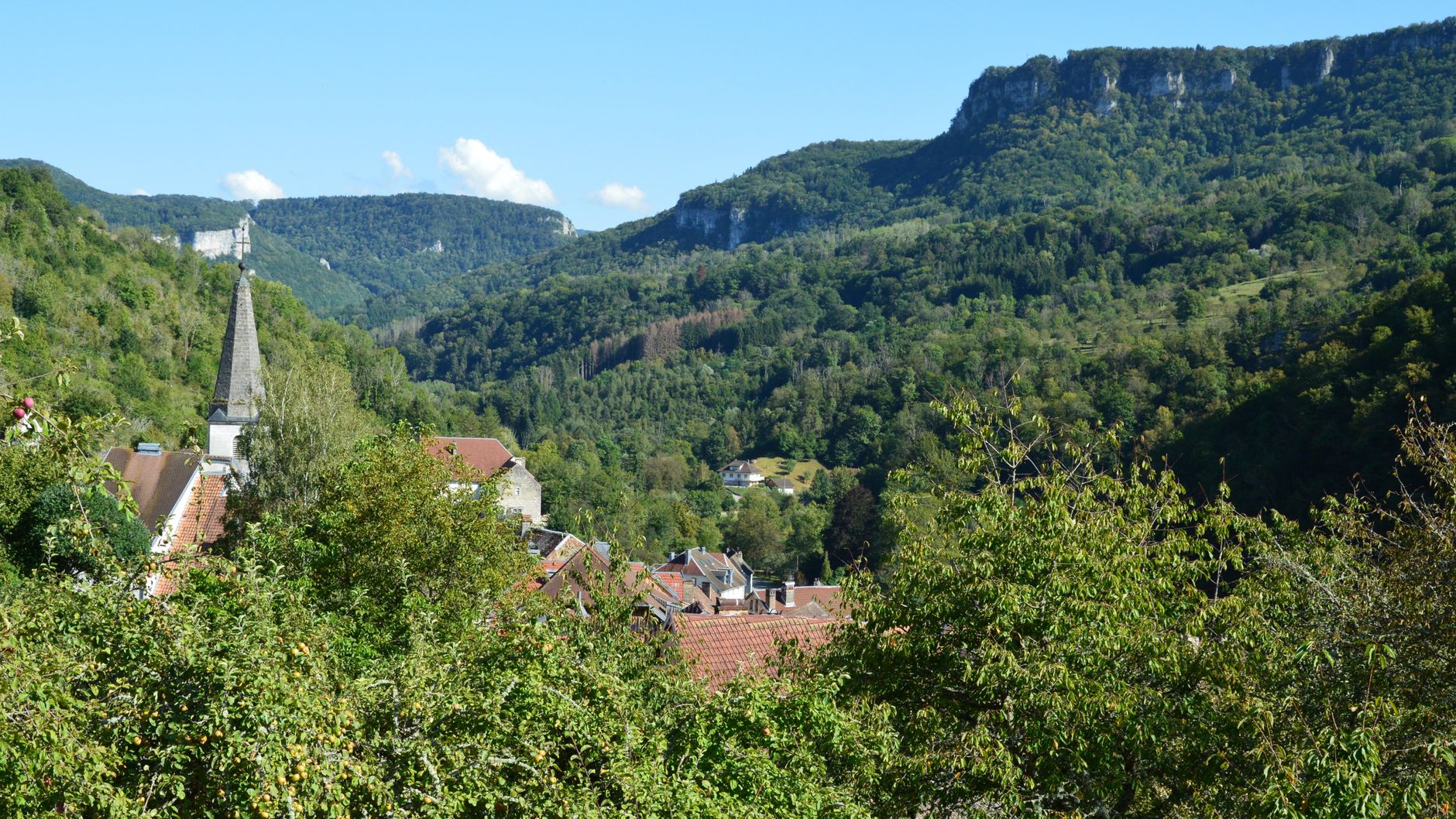
France is renowned for its rich history, diverse culture, world-class cuisine, and stunning landscapes. As a travel destination, it offers a cocktail of vibrant cities, picturesque countryside, and beautiful coastlines. From the iconic Eiffel Tower in Paris to the sun-drenched vineyards of Bordeaux, France has something to cater for every traveler’s taste.
This article will explore what France is known for, making it an ideal guide for potential visitors looking to immerse themselves in French culture and experiences. From food and art to landmarks and activities, we cover all there is to know about this European gem.
What Is France Known For?
France is known for its iconic landmarks, exquisite cuisine, unparalleled art, and rich history. The country’s culture, traditions, and lifestyle capture the imagination of travelers from all over the world. It is a hub for fashion, wine, and gastronomy, making it a diverse and captivating destination.
Iconic Landmarks
France boasts numerous monuments and landmarks that are globally recognized, drawing millions of tourists each year. Here is a list of some of the most famous:
- Eiffel Tower: An architectural marvel and one of the most famous structures in the world, the Eiffel Tower stands at 1,083 feet and offers a stunning view of Paris from its observation decks.
- Louvre Museum: Home to thousands of works of art, including the Mona Lisa and the Venus de Milo, the Louvre is the world’s largest art museum and a historic monument in Paris.
- Palace of Versailles: A stunning example of French Baroque architecture, Versailles is famous for its opulent palace, expansive gardens, and historical significance.
- Mont Saint-Michel: This breathtaking island commune is situated off the coast of Normandy and is known for its medieval architecture and dramatic tidal changes.
- Arc de Triomphe: A monument honoring those who fought for France, the Arc de Triomphe stands proudly at the center of Place Charles de Gaulle, overlooking the Champs-Élysées.
Exquisite Cuisine
French cuisine is celebrated worldwide for its richness and variety. It’s a blend of regional specialties and gourmet techniques that reflect the country’s culinary heritage. Here are some notable aspects:
Popular Dishes
- Bouillabaisse: A traditional fish stew from Marseille, rich with flavors of the Mediterranean.
- Coq au Vin: A classic French dish of chicken braised with wine, lardons, mushrooms, and garlic, showcasing hearty flavors.
- Ratatouille: A vegetable dish from Provence made with tomatoes, zucchini, eggplant, bell peppers, and herbs.
- Quiche Lorraine: A savory tart filled with eggs, cream, and bacon originating from the Lorraine region.
- Crêpes: Thin pancakes that can be filled with sweet or savory ingredients, making them a beloved street food.
French Wine
France is synonymous with fine wine, producing different varieties across its famous regions. Bordeaux, Burgundy, Champagne, and the Loire Valley are just a few examples of regions known for their high-quality wines. Wine tours are available, allowing visitors to learn about the wine-making process while sampling some of the finest vintages.
Vibrant Art and Culture
Art enthusiasts will find France to be a treasure trove of exceptional artworks and cultural experiences, highlighting the country’s ongoing contribution to the arts.
Renowned Museums
- The Musée d’Orsay: This museum features mainly French art dating from 1848 to 1914, including masterpieces by Monet, Van Gogh, and Degas.
- The Pompidou Center: Known for its striking architecture, this modern art museum houses exhibitions of contemporary works and provides a dynamic cultural experience.
- Musée de l’Orangerie: Home to Monet’s Water Lilies, this museum showcases impressionist and post-impressionist paintings in a serene setting.
Cultural Events
- La Fête de la Musique: Celebrated on June 21, this music festival features free concerts and performances across the country.
- Paris Fashion Week: A renowned event where top designers showcase their latest collections, attracting fashion professionals from around the globe.
- Canal de la Martinière: A summer festival featuring boat races, live music, and local food vendors in Paris.
Stunning Natural Landscapes
The geography of France ranges from alpine mountains to scenic coastlines, making it perfect for outdoor enthusiasts and nature lovers.
National Parks
- Vanoise National Park: Located in the French Alps, it offers hiking trails, ski slopes, and beautiful scenery, perfect for adventure seekers.
- Cevennes National Park: Known for its diverse flora and fauna, this park is popular for hiking and exploring the picturesque villages within its borders.
- Port-Cros National Park: A marine park in the Mediterranean, ideal for snorkeling and enjoying pristine beaches.
Coastal Beauty
France’s coastline stretches along the Atlantic, the Mediterranean, and the English Channel, presenting mouth-watering beaches and charming seaside towns.
- The French Riviera: A glamorous destination including Nice and Cannes, famous for its stunning beaches and vibrant nightlife.
- Brittany: A coastal region known for rugged cliffs, sandy beaches, and delightful fishing villages like Saint-Malo.
- Normandy: Renowned for its historical significance and beautiful coastline, especially the Cliffs of Étretat.
Cultural Traditions and Festivals
French culture is steeped in tradition and celebrates various events throughout the year, reflecting local customs and history.
Key Festivals
- Bastille Day: Celebrated on July 14, this national holiday commemorates the French Revolution with parades, fireworks, and parties.
- Fête de la Gastronomie: A celebration of French cuisine held every September, highlighting regional specialties and culinary excellence.
- Christmas Markets: Throughout December, towns and villages transform into festive markets showcasing crafts, food, and holiday cheer.
Local Markets
Exploring local markets is a great way to experience French culture firsthand. From fresh produce to artisanal cheeses, each market reveals a slice of life in France:
- Marché Bastille: One of Paris’s largest open-air markets, offering fresh ingredients and a variety of food stalls.
- Provence Markets: Known for vibrant colors and local products, markets like those in Aix-en-Provence and Avignon are popular with visitors.
- Colmar Market: A picturesque market in the Alsace region, especially magical during the Christmas season.
Charming Cities and Villages
France’s cities and towns are as diverse as its landscape, each offering unique attractions and experiences for visitors.
Exploring Major Cities
- Paris: The capital city is a hub of art, fashion, and culture, known for its museums, shopping districts, and romantic ambiance.
- Marseille: A vibrant port city with a rich history, famous for its seafood and multicultural character.
- Lyon: Known for its culinary scene, this city has been designated a UNESCO World Heritage site for its historical significance.
Picturesque Villages
- Gordes: A hilltop village in Provence known for its stunning views and historical stone buildings.
- Riquewihr: Nestled in Alsace, this village is famous for its half-timbered houses and surrounding vineyards.
- Annecy: Often called the “Venice of the Alps,” this charming town features canals, lakes, and beautiful alpine backdrops.
How to Get There and Get Around
Traveling to France is relatively easy, with numerous international airports and accessible public transportation within the country.
Air Travel
The main gateway to France is Charles de Gaulle Airport in Paris, which serves as a hub for international flights. Other major airports include Nice Côte d’Azur and Lyon-Saint Exupéry.
Public Transportation
Once in France, the public transportation system is efficient and extensive:
- Trains: The SNCF operates trains around France, making it easy to visit cities and regions.
- Metro: In Paris, the metro system is extensive, enabling seamless travel within the city.
- Buses: Local buses complement train services, providing access to smaller towns and regions.
Where to Stay
France offers a diverse range of accommodations to suit every budget, from luxury hotels to charming bed and breakfasts.
Luxury Hotels
- Le Meurice: A luxury hotel in Paris offering opulent rooms and proximity to major attractions.
- Château de Berne: Set in Provence, this hotel offers a winery, spa, and splendid views of the countryside.
Mid-Range Options
- Hôtel des Grands Boulevards: A stylish boutique hotel in Paris, combining modern design with classic charm.
- Hotel La Comtesse: Boasting panoramic views of the Eiffel Tower, this hotel offers great comfort and an ideal location.
Affordable Stays
- Hostels: In cities like Paris and Marseille, hostels provide budget-friendly options and social opportunities.
- Airelles: A unique lodging experience in the countryside, offering rustic charm and local culture at reasonable prices.
When to Visit France
The best time to visit France largely depends on your interests and the specific regions you wish to explore.
Seasonal Considerations
- Spring (March to May): A delightful time to see blooming gardens and enjoy milder weather, especially in Paris and Loire Valley.
- Summer (June to August): Perfect for beach trips and festivals, although cities can be crowded and accommodation pricier.
- Fall (September to November): Ideal for wine enthusiasts as it’s the harvest season, plus fewer tourists in major cities.
- Winter (December to February): Great for skiing in the Alps and experiencing Christmas markets, particularly in Strasbourg.
Budget Considerations
Traveling in France can vary depending on how you plan your trip. Here’s a quick overview of potential costs:
Typical Costs
- Accommodation: Prices range from €20 to €600 per night, depending on location and comfort level.
- Food: Eating at a restaurant can cost between €15 to €60 or more per meal. Casual dining options like bistros are usually more affordable.
- Transport: Public transport tickets cost about €1.90 in Paris and can vary in other regions; train fares depend on distance and booking time.
Saving Tips
- Consider staying in hostels or budget hotels.
- Use public transport or consider walking to explore the city.
- Take advantage of free museum days and local events.
- Shop at local markets for picnics instead of dining out for every meal.
Accessibility and Family Considerations
France generally welcomes families and travelers with different accessibility needs. Here are some pointers:
Family-Friendly Activities
- Visiting Disneyland Paris, a top destination for families with children.
- Exploring the many parks and gardens in major cities like the Jardin des Tuileries and Parc des Buttes-Chaumont.
- Engaging in museum activities tailored for younger visitors, like interactive exhibits and workshops.
Accessibility Information
Most major attractions in France are wheelchair accessible, and public transport systems are increasingly providing services for individuals with mobility challenges. Make sure to check specific locations for detailed accessibility options before visiting.
In summary, France is known for its diverse offerings that cater to various tastes and preferences, from culinary delights to breathtaking landscapes. Whether you’re immersing yourself in Parisian art or exploring quaint villages, this country has much to offer. Consider planning your trip around local activities and seasonal events for a truly authentic experience.
For more travel tips and inspirations, explore our related articles on planning a trip to Virginia Beach for couples and other travel opportunities at A Savvy Tourist.