
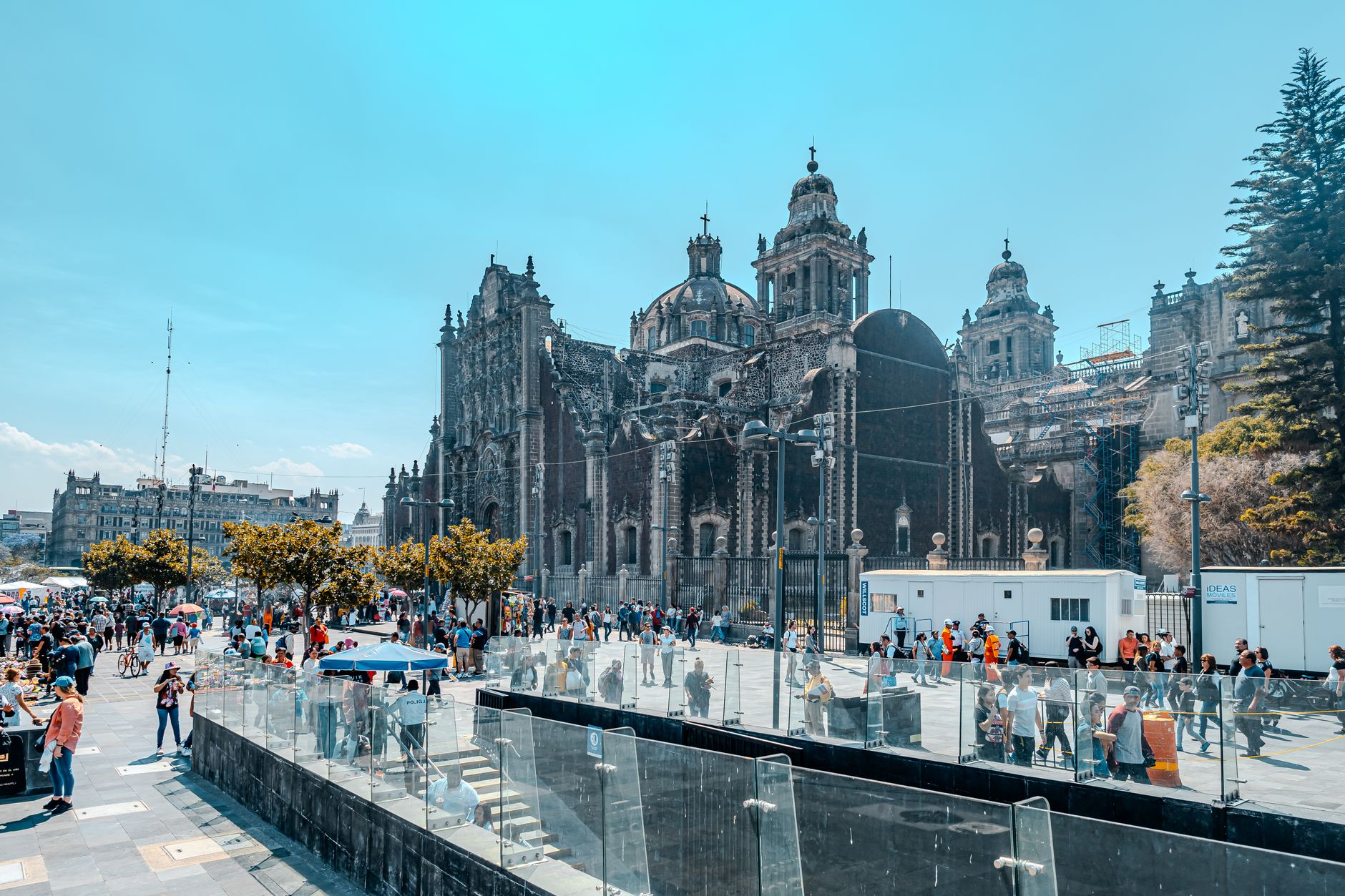
Traveling to Mexico City can be both an exciting adventure and a cause for concern regarding safety. With a rich cultural heritage, vibrant neighborhoods, and delicious cuisine, the city attracts millions of visitors each year. However, understanding the safety landscape is essential for a worry-free trip.
In this article, we’ll delve into exactly how safe Mexico City is, along with practical safety tips for travelers. By being informed and prepared, you can enjoy all the magnificent experiences the city has to offer while minimizing risks.
How Safe Is Mexico City?
Mexico City has varying safety levels, with certain neighborhoods being safer than others. While it is true that crime rates can be higher compared to some global cities, many travelers visit Mexico City every year without incident. Precautions can greatly enhance your safety while exploring this vibrant metropolis.
Understanding Crime in Mexico City
Mexican cities, including Mexico City, have experienced issues with crime, particularly drug-related violence. However, the most common problems that affect tourists are petty crimes, such as pickpocketing, theft, and scams. Understanding these risks can help travelers prepare adequately.
Common Petty Crimes
- Pickpocketing: Common in crowded areas, especially on buses and in major tourist spots.
- Scams: Tourists may encounter individuals posing as police officers or friendly locals offering help, often leading to scams.
- Theft: Bags or valuables left unattended can easily be snatched, especially in busy markets.
Areas to Avoid
While many neighborhoods in Mexico City are vibrant and full of life, some areas are best avoided due to safety concerns. Generally, it’s advisable to steer clear of places with a reputation for high crime rates, especially after dark.
High-Risk Neighborhoods
- La Merced: Known for street markets, but also notorious for crime.
- Tepito: Has a reputation for drug trafficking; visitors should exercise extreme caution here.
- Iztapalapa: Although a large borough with cultural sites, it has areas with high crime rates.
Safer Neighborhoods to Visit
Choosing the right neighborhood can significantly impact your safety and enjoyment. There are several areas in Mexico City that are generally considered safe for tourists.
Recommended Neighborhoods
- Polanco: An upscale area with luxury hotels, shops, and restaurants. Very safe and popular with tourists.
- Condesa: Known for its charming parks, cafes, and art deco architecture, this area has a relaxed atmosphere and is regarded as safe.
- Roma: Features vibrant street life and art galleries. Often frequented by tourists and locals with lower crime rates.
- Coyoacán: Famous for Frida Kahlo’s house; it is a lovely and generally safe spot for shopping and dining.
Practical Safety Tips for Travelers
Staying safe in Mexico City requires a mix of common sense and preparation. Here are actionable safety tips for tourists to consider:
Stay Aware and Alert
Always stay alert to your surroundings, especially in crowded areas. Be mindful of your belongings and avoid distractions like using your phone while walking.
Use Reputable Transport Options
Getting around Mexico City is essential for exploration, but safety is paramount. Here are safe transport options to consider:
Public Transportation
- Metro: The metro system is efficient and affordable, but be wary of pickpockets during busy hours. It’s best to avoid traveling alone late at night.
- Metrobús: A dedicated bus rapid transit system that is economical and generally safe.
Taxi and Ride-Sharing
When using taxis, opt for authorized taxi services or use reputable ride-sharing apps like Uber. This provides better security, especially at night.
Tips for Walking and Exploring
Walking around Mexico City can be an enjoyable way to experience its culture and charm. Here are some tips:
- Stick to well-lit, populated areas after dark.
- Be cautious when using ATMs; use those located inside banks or malls for added safety.
- Avoid showing valuables in public spaces. Consider using a money belt to hide essential items.
- Dress down to avoid drawing attention to yourself as a tourist.
Cultural Awareness and Local Customs
Being respectful of local customs can help enhance your experience while keeping you safe. Some cultural tips include:
- Practice basic Spanish phrases, which can foster goodwill and may help in tricky situations.
- Understand dining etiquette; meals tend to be more formal in Mexico, so dress appropriately when dining out.
- Respect personal space. Mexicans are generally friendly, but they may not appreciate unexpected physical contact.
Healthcare and Emergency Preparedness
Health services in Mexico City can be adequate, but knowing what to do in case of an emergency is crucial:
Important Health Tips
- Travel Insurance: Ensure you have travel insurance that covers medical emergencies.
- Emergency Numbers: Familiarize yourself with local emergency numbers. In Mexico, 911 covers police, fire, and medical emergencies.
- Local Hospitals: Research a few nearby hospitals or clinics before your trip, in case of health emergencies.
Seasonal Patterns and Travel Timing
Understanding the seasonal climate and crowd patterns can help you plan a safer visit to Mexico City.
Best Time to Visit
The ideal time to visit is during the dry season, from November to April, when you can expect pleasant weather and vibrant festivals. Avoid the rainy season from May to October, as this might lead to slippery roads and less pedestrian safety.
Accommodation Choices
Your lodging can play a crucial role in overall safety. Consider the following when choosing accommodation:
Types of Accommodations
- Hotels: Select reputable hotels in safer neighborhoods. Check reviews to gauge safety perceptions from previous guests.
- Hostels: Budget-friendly and often sociable but ensure they have robust safety protocols.
- Short-term Rentals: Platforms like Airbnb can offer local experiences; however, verify host ratings and neighborhood safety.
Recommended Areas for Lodging
As mentioned, areas like Polanco, Condesa, Roma, and Coyoacán are popular for their safety and proximity to attractions. When booking accommodations, always read user reviews for the most current perspectives on safety.
Emergency Contacts and Resources
Having contacts readily accessible can enhance your sense of security while traveling. Here are some important contacts to have:
- Local Emergency Services: 911.
- Your Country’s Embassy: know which office to contact in case of emergencies.
- Hotel/Accommodation Contact: Keep your accommodation’s contact information handy in case of emergencies.
Frequently Asked Questions
Is Mexico City Safe for Solo Travelers?
While solo travel in Mexico City can be safe, it’s essential to follow the same precautions that apply to all travelers. Stick to well-traveled areas, avoid walking alone at night, and stay aware of your surroundings.
What Should I Do If I Experience a Crime?
If you find yourself a victim of crime, report it to the local authorities or your embassy. Keep documentation of the incident and your belongings, which may help in insurance claims.
Are Certain Activities Riskier Than Others?
Some activities, such as nightlife in unfamiliar areas, can be riskier. Stick to areas that are well-lit, populated, and typically popular with tourists. Always go with a group whenever possible.
Conclusion
While concerns about safety in Mexico City are valid, they shouldn’t overshadow the remarkable experiences waiting for you. By staying informed, planning effectively, and putting safety first, you can enjoy this vibrant city that boasts a rich heritage, delicious food, and dynamic culture. Prepare adequately and you will find that the excitement of exploring Mexico City far outweighs the challenges.
For a deeper understanding of safety, you may want to read more about specific concerns such as Is Mexico City Safe? and for travelers from the USA, check out Is Mexico City Safe for Americans?. Equip yourself with the right knowledge before setting off on your journey.