
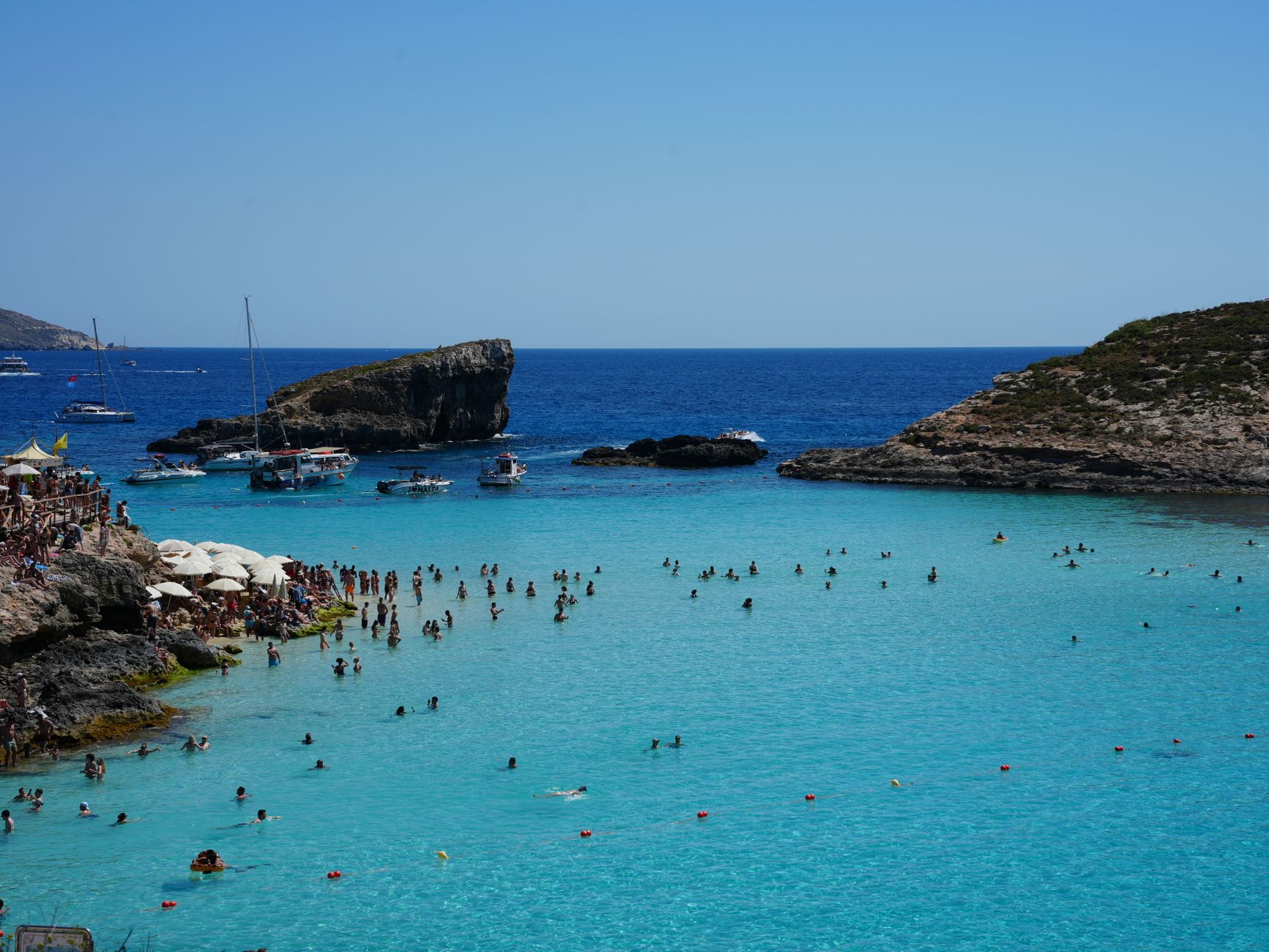
Malta, a stunning archipelago in the Mediterranean Sea, is famous for its rich history, picturesque landscapes, and vibrant culture. Its unique blend of historical influences, crystalline waters, and culinary delights make it a remarkable destination for travelers from around the globe. Understanding what Malta is famous for can greatly enhance your travel experience.
In this article, we’ll explore the key attractions, cultural experiences, local cuisine, and practical travel tips that make Malta a must-visit destination. Whether you’re planning a short getaway or an extended vacation, this guide will help you navigate Malta’s charms.
What Is Malta Famous For?
Malta is renowned for its ancient temples, stunning coastlines, and vibrant cities such as Valletta and Mdina. It is also famous for its historical significance as a crossroads of Mediterranean civilizations, exceptional diving spots, and the unique local cuisine influenced by various cultures.
Historic Sites and Landmarks
Malta boasts an array of historic sites and landmarks that draw visitors eager to explore its past. With some of the oldest freestanding structures in the world, Malta’s heritage is reflected in its architecture, museums, and archaeological sites.
The Megalithic Temples
One of Malta’s most distinctive features is its megalithic temples, which are older than the pyramids of Egypt. The following three sites are must-visit:
- Ġgantija Temples: Located on the island of Gozo, these temples date back to around 3600 BC and are among the oldest religious sites. They consist of two temple complexes surrounded by a massive stone wall.
- Hagar Qim and Mnajdra: Situated on the southern coast of Malta, these temples are known for their stunning views and intricate carvings. They date back to the same era as Ġgantija and are UNESCO World Heritage Sites.
- Tarxien Temples: This complex features several structures built between 3600 BC and 2500 BC and is renowned for its beautifully carved stone sculptures.
Valletta
The capital city of Valletta is an UNESCO World Heritage site and is full of breathtaking architecture, including the St. John’s Co-Cathedral, which is famous for its opulent interiors and Caravaggio paintings. Explore the narrow streets and discover quaint shops, local cafes, and historical sites at every turn.
Mdina and Rabat
Mdina, also known as the “Silent City,” is a coastal gem with a rich history, featuring medieval and baroque architecture. Nearby, Rabat offers a glimpse into Malta’s past, with attractions like the Catacombs of St. Paul and St. Agatha. A walk through these cities allows you to appreciate Malta’s medieval charm and majestic architecture.
Beautiful Beaches and Natural Attractions
Malta’s stunning coastline is dotted with gorgeous beaches and natural attractions, perfect for sun worshippers and outdoor enthusiasts alike.
Comino and the Blue Lagoon
A short boat ride from the main islands, Comino is home to the picturesque Blue Lagoon, famous for its crystal-clear waters. Visitors flock here for swimming, snorkeling, and relaxing on the sandy shores.
Golden Bay and Mellieħa Bay
Golden Bay is known for its vibrant sunset views and soft sandy beach, making it ideal for families and sunbathers. Mellieħa Bay, the largest sandy beach in Malta, is great for water sports, including kayaking and windsurfing.
The Dingli Cliffs
For those seeking dramatic landscapes, the Dingli Cliffs offer breathtaking views over the Mediterranean Sea. This is an excellent spot for hiking and watching the sunset, with trails that provide various vantage points of the cliff edges.
Cultural Experiences
Malta is characterized by a rich tapestry of cultural influences from the Phoenicians, Romans, Arabs, Normans, and the Knights of St. John. These layers of history are celebrated through an array of festivals, crafts, and traditions.
Maltese Village Feasts
Attending a village feast is an excellent way to immerse yourself in Maltese culture. Celebrated throughout the summer months, these feasts feature traditional music, processions, and street food stalls. The Feast of St. Paul’s Shipwreck in Valletta is particularly notable.
Traditional Crafts
Explore the local artisan shops to witness traditional crafts. Notable crafts include filigree jewelry, Mdina glass, and handmade lace. These intricate pieces make for unique souvenirs and gifts, supporting local artisans.
Maltese Language and Music
The Maltese language, a blend of Arabic and Italian, is unique to Malta. While English is widely spoken, learning a few phrases in Maltese can enrich your interactions with locals. Music is also an integral part of Maltese culture, with traditional għana (folk music) being celebrated during festivals.
Culinary Delights
Malta’s cuisine is a delightful mix of Mediterranean flavors influenced by its history. Seafood plays a prominent role, complemented by local specialties that reflect the diverse heritage of the islands.
Traditional Dishes to Try
- Rabbit Stew (Fenek): This national dish is a slow-cooked stew that highlights Malta’s culinary roots.
- Pastizzi: Flaky pastries filled with ricotta or mushy peas are popular street food snacks.
- Bragioli: Beef olives stuffed with a mixture of minced meat and herbs, often served with a rich tomato sauce.
- Ħobż biż-Żejt: Maltese bread drizzled with olive oil and served with tomatoes, olives, and capers—a simple yet flavorful dish.
Wine and Local Beverages
Malta has a growing wine industry, producing several exceptional varieties. Participating in a wine tasting at local vineyards can introduce you to unique Maltese wines, such as those made from the indigenous Gellewza and Girgentina grapes. Don’t forget to try a glass of Kinnie, a local soft drink flavored with bitter orange and herbs.
Practical Travel Tips
To make the most of your visit to Malta, consider these practical tips for navigating the islands efficiently and cost-effectively.
Best Time to Visit
The ideal times to visit Malta are during the shoulder seasons of spring (March to May) and fall (September to November). During these periods, you can enjoy pleasant temperatures and fewer crowds, making it easier to explore attractions comfortably.
Getting Around Malta
Malta’s public transport system includes buses that connect major cities and tourist attractions, offering an affordable option for travelers. Alternatively, consider renting a car for more flexibility, especially if you wish to explore the more remote areas.
Accommodation Options
Malta offers a range of accommodation options, from luxury hotels to budget hostels. The main areas to consider for your stay include:
- Valletta: Perfect for those who want to be in the heart of historical attractions.
- Sliema: A bustling area known for shopping, dining, and harbor views.
- St. Julian’s: Great for nightlife and beach access, with a vibrant dining scene.
- Gozo: For a more peaceful retreat, consider staying on Malta’s smaller island, known for its rural landscape.
Budget Considerations
Malta can be an affordable destination, but costs can vary significantly depending on your travel style. Here are some key areas to consider:
- Accommodation: Budget hostels can start around €15-30 per night, while hotels can range from €50-200 depending on location and amenities.
- Transportation: Buses are inexpensive, with tickets typically costing around €1.50 for a two-hour journey.
- Food: Dining at local eateries can be budget-friendly, with options starting at approximately €10 for a meal.
Responsible Travel Practices
As a visitor, it’s important to respect local customs, communities, and the environment. Here are some tips for responsible travel in Malta:
- Be mindful of noise and litter, especially in historical sites and nature reserves.
- Support local businesses by eating at family-run restaurants and purchasing handcrafted goods.
- Respect local traditions and dress codes when visiting churches and religious sites.
Conclusion
Malta is a treasure trove of history, stunning landscapes, and vibrant culture, making it an ideal destination for all kinds of travelers. By exploring its rich heritage, enjoying local cuisine, and respecting its customs, you are sure to create unforgettable memories in this Mediterranean paradise.
For more comprehensive travel planning, explore guides on where Malta is located and where to stay in Malta to enhance your travel experience.