
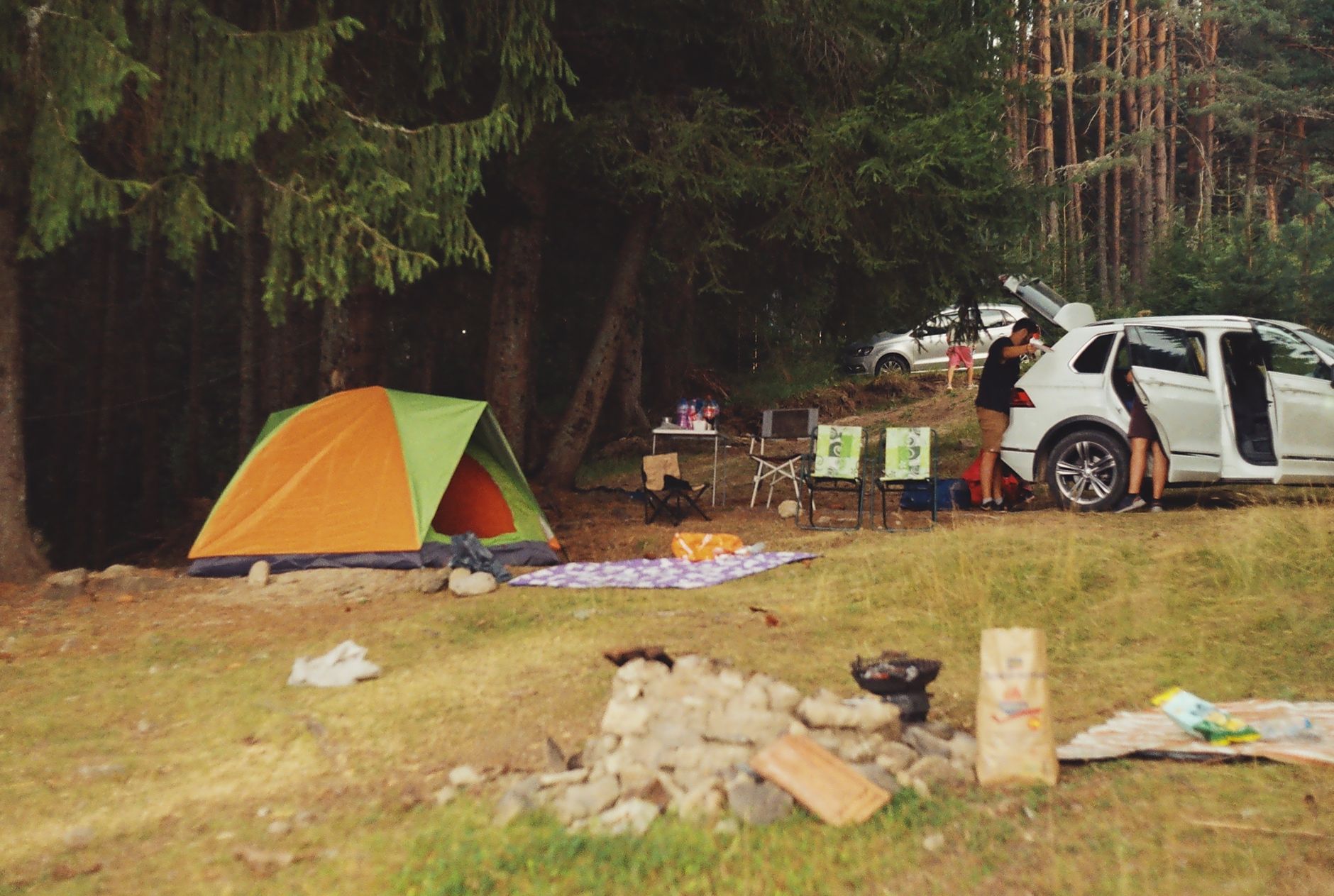
Many travelers find themselves asking, “Can you sleep in your car?” Whether it’s part of a road trip adventure or a spontaneous overnight stop, sleeping in your vehicle can be a practical solution for accommodation. However, there are several factors to consider to ensure a safe and comfortable experience.
This guide will explore the ins and outs of sleeping in your car, including tips for comfort, safety concerns, ideal locations, and the legalities associated with this practice. Let’s dive in to help you plan your next car-sleeping experience!
Can You Sleep In Your Car?
Yes, you can sleep in your car, but this depends on various factors including local laws, safety considerations, and your vehicle’s suitability. Knowing where to park, how to ensure your safety, and what you need for comfort is crucial for a successful night’s sleep.
Understanding the Legality of Sleeping in Your Car
Before you settle into the backseat, it’s important to understand the legal implications. Sleeping in your car is generally allowed in many places, but there are exceptions and restrictions:
- Public Parks and Rest Areas: Many rest areas allow overnight parking, but some have time limits. Always check posted signs for regulations.
- Private Property: Sleeping on private property (like parking lots) usually requires permission. National chains often have policies that allow overnight stays, but it’s wise to ask first.
- Residential Areas: It’s often frowned upon to park and sleep in residential neighborhoods. Local laws may prohibit overnight parking here.
- Urban Areas: Cities may have strict ordinances against sleeping in vehicles. Check local regulations to avoid fines.
Choosing the Right Location
Your choice of location can significantly impact both your comfort and safety. Here are some ideal spots for car sleeping:
Rest Areas
Rest areas along highways are designed for travelers needing a break. These areas are typically well-lit, monitored, and have restroom facilities. Choose a spot that allows for overnight parking and offers a sense of security.
Campgrounds
Many campgrounds allow car sleeping and provide amenities such as shower facilities and fire pits. Look for campgrounds that are friendly to car campers, and consider making reservations, especially in peak seasons.
Walmart and Other Large Retailers
Walmart and some similar retailers have become popular legal stopping points for overnight car sleeping. Always check with the store manager, as policies can vary by location.
Roadside Parks
Smaller roadside parks can offer a quiet place to rest, but be cautious, as they may not have facilities or security. Choose a park that has good visibility from the road and is frequently patrolled.
Preparing Your Vehicle for Sleeping
The next step is to transform your car into a comfortable sleeping space. Here’s how to prepare:
- Clean Interior: Remove clutter, and create a tidy sleeping area. If you’re camping, keep food stored safely out of reach to avoid attracting wildlife.
- Comfortable Bedding: Invest in a good sleeping pad or air mattress that fits your vehicle. Bring along blankets and pillows for a cozy setup.
- Window Coverage: Use window shades, curtains, or a sunshade to maintain privacy and block out early morning light.
- Climate Control: Ensure you can regulate the temperature. For warm nights, consider a portable fan, and for cold nights, invest in a good sleeping bag.
Safety Considerations
Safety should be a priority when sleeping in your car. Here are practical safety tips:
- Park Wisely: Choose a well-lit area where other cars and people are present. Avoid isolated locations that might pose risks.
- Keep Doors Locked: Always lock your doors while you sleep. This simple precaution can greatly enhance your safety.
- Be Aware of Your Surroundings: Stay alert and tuned in to any sounds or movements around you. If something feels off, consider moving to another location.
- Travel with a Buddy: If possible, travel with someone else. There’s safety in numbers and it can make for a more enjoyable experience.
Comfort Tips for Sleeping in Your Car
To enhance your comfort while sleeping in your vehicle, consider the following suggestions:
- Positioning: Recline your seat as far back as possible or lay down in the back of the car if it has space. Some might prefer the front seat, while others may sleep in the trunk area.
- Use a Travel Pillow: A travel-sized pillow can help support your neck while you sleep. Compact pillows designed for travel can fit easily into your luggage.
- Stay Hydrated: Bring along bottled water, but remember to limit how much you drink before sleeping to reduce nighttime bathroom trips.
- Pack Snacks: Keep snacks handy for late-night cravings or breakfast on the go.
Planning for Emergencies
No matter how prepared you are, it’s wise to have a contingency plan. Here’s what you can include:
- Preparedness Kit: Pack a first-aid kit, flashlight, water bottle, and non-perishable snacks, just in case of emergencies.
- Chargers: Ensure your phone and other essential equipment are charged before settling down for the night.
- Know Your Limitations: Recognize if you’re too tired to drive safely. If you feel fatigued, sleeping in your car may be the best option.
Alternatives to Sleeping in Your Car
While sleeping in your car can be convenient, it’s not the only option available. Consider these alternatives:
Tent Camping
If you have space for it, tent camping can provide a more traditional outdoor experience while allowing you to rest comfortably. Many campgrounds cater to both car campers and tent campers.
Hostels and Budget Accommodations
For those not keen on camping, hostels and budget hotels often provide affordable options for travelers. Look for options that allow you to meet fellow travelers and share experiences.
Staying with Friends or Family
If possible, reach out to friends or family who live in the area for accommodations. This can also be an opportunity to spend quality time together.
Common Mistakes to Avoid
To ensure a comfortable sleeping experience in your car, avoid these common pitfalls:
- Not Planning Ahead: Always scout your intended overnight stop before nightfall. Doing so helps prevent last-minute decisions that could lead to unsafe or uncomfortable situations.
- Overpacking: While it’s good to be prepared, overpacking can take up valuable space and make your sleeping area uncomfortable. Pack just what you need.
- Ignoring Your Body: Your body will tell you when it’s ready to sleep, but be mindful not to sleep too long if you are in a location that may not be safe.
When to Sleep in Your Car
There are specific occasions when sleeping in your car might be ideal:
- On Long Road Trips: Taking long journeys may necessitate overnight stops. Set aside time to recharge without the hassle of finding a hotel.
- During Outdoor Adventures: If you’re hiking or exploring, car sleeping can be a practical choice to maximize adventure time.
- In Between Destinations: If you’re on a multi-stop trip, sleeping in your car might be a great way to save money while ensuring you won’t miss an early morning excursion.
Exploring Vehicle Options for Comfort
Not all vehicles are created equal when it comes to sleeping. Consider vehicle types as well:
Small Cars
While it’s possible to fit in a small car, they may lack the comfort and space needed for a good night’s sleep. Choose the passenger seat or lay down in the back, but prepare for less space.
SUVs
SUVs generally offer more space and comfort for sleeping. Many have flat surfaces for laying down, and some allow for seating adjustments that create more room.
Minivans
Minivans are the best option for sleeping in vehicles. They offer spacious interiors that facilitate a flat sleeping area, making them ideal for sleeping in comfort.
Final Tips for Car Sleeping Success
To wrap things up, keep these additional tips in mind:
- Trust Your Instincts: If something feels off about a location, don’t hesitate to move. Your safety is paramount.
- Use Tech Wisely: Download apps that help find parking spots, rest areas, and available campsites on the go. These tools can enhance your planning.
- Network with Fellow Travelers: Join forums or social media groups that discuss car sleeping experiences to gain insights and tips from others.
Sleeping in your car can be a practical travel solution that saves money and adds spontaneity to your trip. By being informed, prepared, and mindful of safety, you can enjoy a restful night’s sleep and embrace flexibility on your travel journey.
Explore more of our travel resources, like how to plan a birthday road trip or tips on how frequently you should take breaks when driving long distances.