
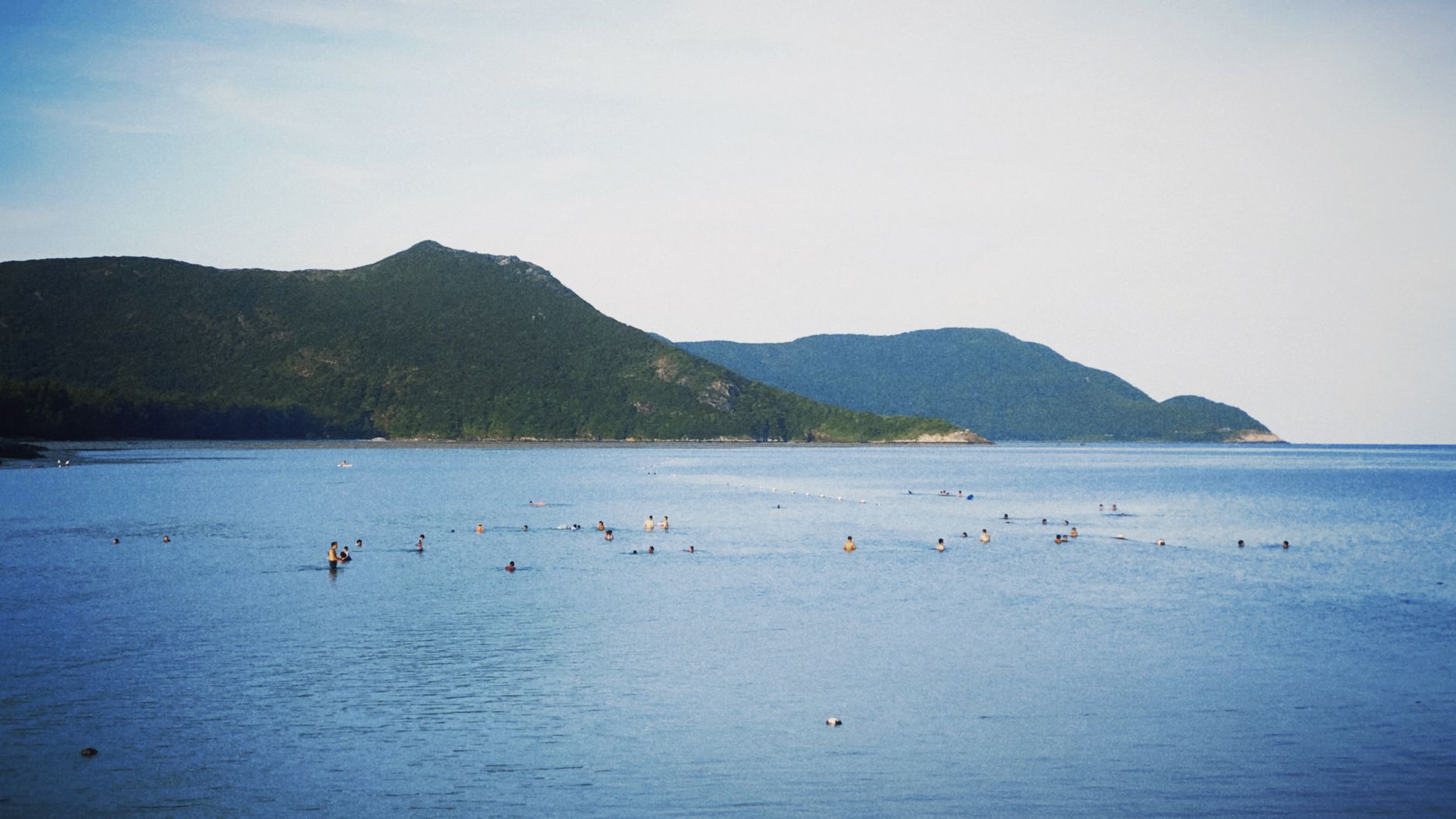
Crater Lake, located in southern Oregon, is renowned for its stunning blue waters and breathtaking scenery. Formed by the collapse of a volcano, it is the deepest lake in the United States and offers numerous outdoor activities. However, many travelers often wonder: can you swim in Crater Lake?
Swim options at Crater Lake are limited due to strict regulations designed to preserve the lake’s delicate ecosystem. While swimming is allowed, it’s crucial to understand the best practices, limitations, and safety precautions before plunging in. This guide will provide all the necessary information to make your visit to Crater Lake both safe and enjoyable.
Can You Swim In Crater Lake?
Yes, swimming is permitted in Crater Lake, but only in designated areas and under specific conditions. The water is extremely cold, rarely exceeding 60°F (15°C), hence it might not be the most inviting swimming experience. To enjoy a dip, it’s vital to be prepared and informed.
Understanding Swimming Regulations
Crater Lake National Park has several regulations to ensure the protection of its unique environment. Swimming is limited to specific areas to avoid disturbing the lake’s ecosystem. Here are essential guidelines:
- Swimming is allowed at Cleetwood Cove only, which is the primary access point to the lake’s waters.
- No swimming is permitted off docks, piers, or boats.
- Consider the cold water temperatures; swimming is primarily limited to the warmer months.
- Always check current park regulations to stay updated on any changes.
Planning Your Swim: Access and Logistics
The primary access point for swimming in Crater Lake is Cleetwood Cove. Here’s what you need to know:
Getting to Cleetwood Cove
Cleetwood Cove is accessible via a steep, 1.1-mile trail that descends approximately 700 feet to reach the lake’s shore. The trail can be physically demanding, so consider your fitness level before attempting this hike.
The cove features a designated swimming area where you can safely enjoy the water, coupled with incredible views surrounding the lake.
Timing Your Visit
The best time for swimming at Crater Lake is typically from late June through mid-September. During this period, temperatures rise slightly, but prepare for the water to be cold regardless.
Be aware that swimming conditions can vary significantly from year to year due to snowpack and seasonal variations. Always check the visitor center for the most up-to-date conditions before heading out.
Safety Precautions for Swimming
Swimming in Crater Lake can be a thrilling experience, but ensure your safety with these precautions:
- Be aware of hypothermia risk. Consider opting for a wet suit if you plan to swim for extended periods.
- Stay hydrated before and after swimming, as the hike to Cleetwood Cove can be exhausting.
- Always swim with a buddy as a safety measure.
- Pay attention to weather conditions; storms can develop quickly in mountainous areas.
Alternative Activities at Crater Lake
If the chilly waters of Crater Lake aren’t appealing, there are plenty of other activities to enjoy in the area. Here are some popular options:
Hiking Trails
Crater Lake offers numerous hiking trails, each providing stunning views and unique experiences:
- Garfield Peak Trail: A challenging 3.4-mile hike that rewards you with breathtaking panoramic views of the lake and surrounding landscapes.
- Rim Trail: Spanning the entirety of the lake’s rim, this trail is perfect for those looking to explore without descending too far. Various access points allow for shorter hikes and stunning views.
- Cleewood Cove Trail: This is the same trail leading to the swimming area, offering not only access but incredible views leading down to the lake.
Boat Tours
Consider taking a guided boat tour to explore the lake’s shores and islands. Tours typically last about 2 hours, allowing you to appreciate the geological wonders and learn about the lake’s history. Tickets for tours can be purchased at the kiosk in the parking lot at Rim Village.
Scenic Drives
If you prefer to stay close to your vehicle, the Rim Drive offers stunning viewpoints and overlooks. The entire loop is 33 miles, with various stops where you can appreciate the clear blue water and surrounding cliffs.
Where to Stay Near Crater Lake
When planning your visit to Crater Lake, consider accommodation options that range from campgrounds within the national park to nearby hotels. Here are a few suggestions:
Campsites
- Crater Lake Campground: Located within the park, this campground operates on a first-come, first-served basis. It offers a great opportunity to immerse in nature.
- Imagine Lake Campground: Just outside the park, providing a peaceful setting and a bit more flexibility in booking.
Hotels and Lodges
- Crater Lake Lodge: This historic lodge offers stunning views and a blend of comfort and convenience. Reservations are recommended due to its popularity.
- Nearby Options: Consider staying in towns such as Fort Klamath or Prospect, where you’ll find additional lodging options.
Dining Considerations
- Crater Lake Lodge Dining Room: This overlooks the lake and offers delicious meals featuring local ingredients. Reservations are highly recommended.
- Sun Notch Trail Pit Stop: A seasonal option with snacks and refreshments near hiking trails.
For additional dining choices, consider venturing into the nearby towns. Numerous local establishments will satisfy hungry travelers after a long day of exploration.
What to Pack for Your Trip
Planning what to pack for Crater Lake requires a balance of hike readiness, swimming gear, and personal comfort. Here’s a list of essentials:
- Swimsuit (if swimming), and a wet suit if you get cold easily.
- Sun protection: sunscreen, sunglasses, and a wide-brimmed hat.
- Hiking boots and appropriate clothing for changing weather.
- Water and snacks for the hike and swimming.
- Camera to capture the breathtaking sceneries.
When to Visit Crater Lake
Deciding on the best time to visit heavily depends on your interests:
- Summer (June to September): Ideal for swimming, hiking, and fully accessible park facilities. Expect larger crowds during these months.
- Fall (Late September to October): Fewer visitors and beautiful fall foliage—however, some amenities may start to close.
- Winter (November through March): Heavy snow closes most roads and facilities, making it challenging to access. However, winter sports enthusiasts may enjoy cross-country skiing and snowshoeing.
- Spring (April to June): Snowmelt begins to open up trails, but swimming remains limited due to water temperatures.
Budget Considerations
Visiting Crater Lake will require some budgeting for accommodation, activities, and travel expenses. Here’s what to expect:
- Entrance Fee: Expect a fee for vehicle entry into the national park, which is valid for seven days.
- Accommodation: Prices vary from campgrounds (often around $20-$30 per night) to hotels (ranging from $100 to several hundred per night depending on the season).
- Dining: On average, a meal at the lodge may cost $15-$30, while nearby towns often offer cheaper diner-style options.
Overall, plan your budget wisely to ensure a comfortable trip without running into unexpected costs.
Accessibility Considerations
Please note that Crater Lake does have accessibility options, although some terrain is naturally rugged:
- The Rim Visitor Center is accessible, with some exhibits designed for visitors with mobility challenges.
- Cleetwood Cove Trail has steep sections and may not be suitable for individuals with significant mobility limitations, but those who can manage moderate hiking can enjoy a fantastic swimming experience.
Final Thoughts
Crater Lake is not only a remarkable natural wonder but also offers unique swimming opportunities for the adventurous. Taking the necessary precautions, respecting regulations, and preparing adequately will ensure a memorable experience at this stunning destination.
For more insights on travel destinations, check out our guides on viewing the northern lights or explore how many national parks are in the US.