
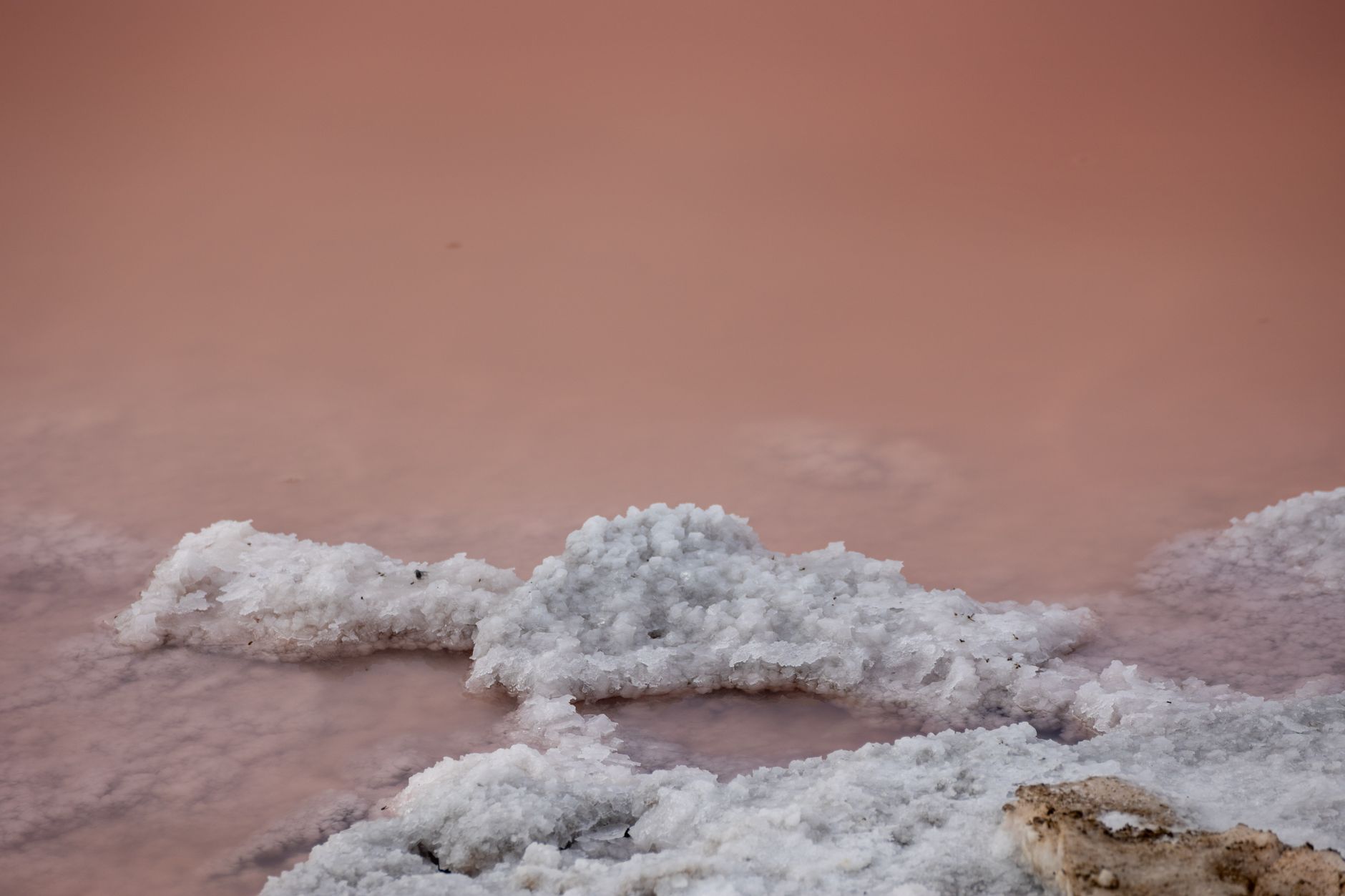
The Dead Sea is a fascinating destination, known for its unique natural properties and historical significance. People from all over the world flock to this saline body of water, curious about its healing properties and unparalleled buoyancy in its mineral-rich waters. One common question stands out: can you swim in the Dead Sea?
Yes, you can swim in the Dead Sea, but it is unlike traditional swimming experiences. The high salinity makes it challenging to submerge your entire body, offering a unique floating experience instead. This article will guide you through everything you need to know about swimming in the Dead Sea, from the best places to visit, safety tips, and practical considerations for a successful trip.
Can You Swim In The Dead Sea?
Swimming in the Dead Sea is indeed possible, but it comes with several caveats. The water’s high salinity allows you to float effortlessly while making it unsuitable for typical swimming techniques. Visitors should be mindful of how they interact with this unique environment to ensure a safe and enjoyable experience.
What Makes the Dead Sea Special?
The Dead Sea, located at the lowest point on Earth, is renowned for its high salt concentration. This mineral-rich body of water is also the second saltiest in the world, filled with various beneficial minerals such as magnesium, calcium, potassium, and bromine, which are believed to have therapeutic effects.
The mineral content not only contributes to the buoyancy that allows you to float but is also said to help with skin conditions like psoriasis and eczema. The surrounding area’s natural beauty, including the rugged mountains and unique landscapes, adds to the allure for travelers seeking both relaxation and adventure.
Best Places to Swim in the Dead Sea
When planning your trip, there are several well-known locations around the Dead Sea where you can enjoy swimming. Each location has its own amenities and atmosphere, ensuring you can find the right fit for your needs.
Public Beaches
Many public beaches along the Dead Sea provide access to swimming areas. Here are some popular options:
- Ein Bokek: Known for its well-maintained beach facilities, Ein Bokek is one of the busiest areas for swimming and offers access to hotels, restaurants, and spa services.
- Kalia Beach: A public beach located north of Ein Bokek allows visitors to experience the Dead Sea without the hotel fees. Kalia Beach has shower facilities and a small price for entry.
- Ein Gedi: Home to the Ein Gedi Nature Reserve, this beach provides a beautiful natural setting and is great for those who want to combine swimming with hiking and exploring natural springs.
Resorts and Spa Facilities
For those looking for a more luxurious experience, several resorts offer private beach access with additional amenities:
- Dead Sea Marriott Resort & Spa: This hotel features a private beach area, wellness facilities, and direct access to the Dead Sea for a comfortable experience.
- Hilton Dead Sea Resort & Spa: Another high-end option, the Hilton offers a private beach with modern amenities, including resort pools and spa services.
- Isrotel Dead Sea Resort: Known for its large wellness facilities, Isrotel has its own private beach, providing guests with a quieter space to enjoy the Dead Sea.
Safety Tips for Swimming in the Dead Sea
While swimming in the Dead Sea can be an exhilarating experience, it is crucial to prioritize safety. Here are some essential tips to keep in mind:
- Limit Submersion: Due to the salt concentration, avoid getting your face submerged in the water. Rinse your eyes immediately if any water gets in, as this can be extremely painful.
- Shower Before and After: It’s important to rinse off before entering the water to help your skin adjust to the high salt content. Additionally, always shower after swimming to wash off the salt.
- Wear Aqua Shoes: The shoreline may be rocky. Waterproof shoes will protect your feet and offer better traction for moving around.
- Stay Hydrated: The heat can be intense, so drink plenty of water throughout your visit. Dehydration can occur rapidly in the harsh environment.
- Check for Health Conditions: If you have open wounds or skin conditions, consult with a healthcare professional before swimming, as the salt can irritate these areas.
When to Visit the Dead Sea
The best time to visit the Dead Sea is during spring (March-May) and fall (September-November) when temperatures are milder. The summer months can be exceedingly hot, with temperatures often exceeding 100°F (38°C), making outdoor activities less enjoyable.
Winter (December-February) offers cooler temperatures, but keep in mind that evening temperatures can drop significantly, and swimming may not be comfortable without warm clothing.
Suggested Length of Stay
A trip to the Dead Sea can be enjoyed within a day, but a longer stay may be beneficial for exploring the surrounding areas and maximizing relaxation. Consider spending at least two to three days to fully experience the beach, spa treatments, and excursions to nearby attractions.
Budget Considerations
Visiting the Dead Sea can accommodate various budgets. Here are some key financial aspects to consider:
- Entry Fees: Public beaches typically charge small entry fees, while private resort beaches may have higher charges for day use. Prepare to pay between $5-$20, depending on the location.
- Accommodation Costs: Prices for hotels vary significantly. Luxury resorts can cost several hundred dollars per night, while budget hotels and guesthouses may start around $50-$100.
- Dining: Charges for food can range from inexpensive local eateries to high-end restaurants, with meals costing anywhere from $10 to $40 or more.
- Spa Treatments: If you’re interested in spa services, expect additional costs, which vary based on treatments selected and hotel pricing.
Transportation to the Dead Sea
The Dead Sea is accessible from various cities in Israel and Jordan. Understanding your transportation options will help streamline your visit:
From Israel
- By Car: Renting a car is a flexible option that allows you to explore at your own pace. Drive south from Jerusalem or take the scenic route through the West Bank.
- Public Transport: Buses run regularly from major cities like Tel Aviv and Jerusalem to the Dead Sea area, though schedules may vary. Check current schedules to plan your journey.
From Jordan
- By Car: Drive from Amman or Petra, heading to the Jordan side of the Dead Sea. The journey takes about one to two hours depending on traffic.
- Taxis/Shared Vans: Taxis and shared vans are available from Amman and the surrounding areas, which can be convenient for group travel.
What to Pack for the Dead Sea
When preparing for your trip, packing the right essentials will ensure a smooth and enjoyable experience:
- Sunscreen (high SPF to protect against strong sun)
- Aqua shoes (for safe walking on rocky shores)
- Swimwear and towels (quick-drying options are ideal)
- Reusable water bottle (stay hydrated, refillable options available)
- Hat and sunglasses (protection against the sun)
- Light, breathable clothing (suitable for warm weather)
- Camera (to capture the breathtaking landscape)
Food and Drinks Around the Dead Sea
A variety of dining options are available to suit different tastes and budgets in the Dead Sea region:
- Resort Dining: Most resorts offer restaurants with international and local cuisine, ensuring a comfortable meal experience.
- Local Eateries: Explore local eateries or cafes for genuine Middle Eastern cuisine, often at more affordable prices.
- Picnicking: If visiting a public beach, consider packing your meals for a picnic by the sea, adding an enjoyable touch to your experience.
Exploring Beyond the Dead Sea
The Dead Sea area offers a wealth of natural beauty and historical sites that are easily accessible. Consider adding the following attractions to your itinerary:
- Masada: Climb or take a cable car to this ancient fortress overlooking the Dead Sea, known for its historical significance and stunning views.
- Ein Gedi Nature Reserve: Discover lush oases with beautiful hiking trails, waterfalls, and wildlife, including ibex and various bird species.
- Qumran Caves: Visit the site where the Dead Sea Scrolls were found, offering a glimpse into ancient history.
By integrating some of these nearby adventures, you can enrich your overall experience and appreciate the rich tapestry of culture and history that envelops the Dead Sea.
To summarize, swimming in the Dead Sea can be a unique and enjoyable experience when approached with care. Whether you’re floating in the mineral-rich waters, indulging in spa treatments, or exploring the surrounding landscapes, this location offers something for every traveler. With proper planning, you can create lasting memories while appreciating one of the Earth’s most fascinating wonders.
For more information on other travel destinations and planning your next adventure, explore our guides on various travel options and discover things to do in Victoria Falls.