
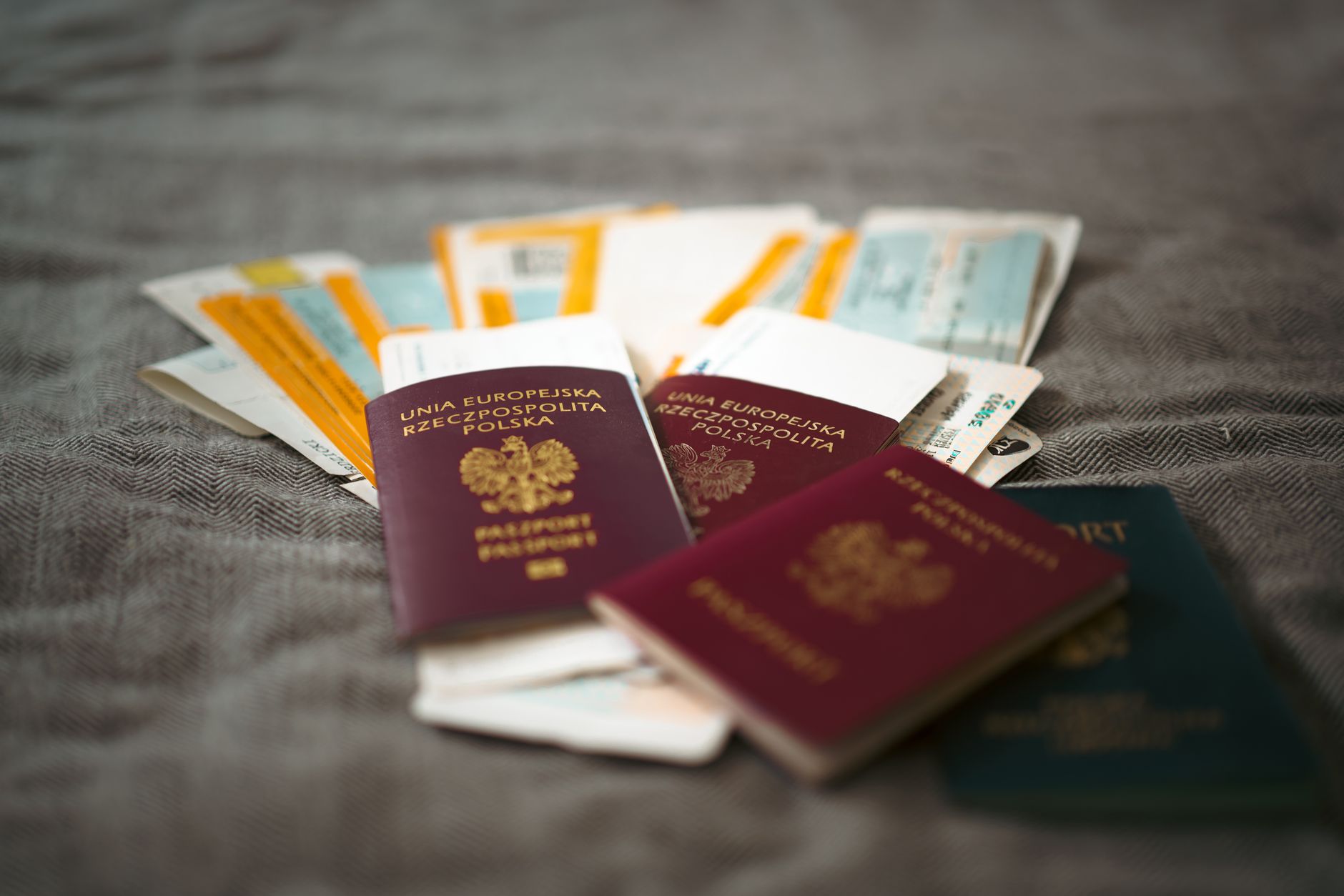
Traveling can often be complicated by seemingly minor issues, particularly when it comes to documentation. An expired passport can leave prospective travelers wondering about their options and whether they can still take that long-awaited trip. This article provides an in-depth look at the implications of traveling with an expired passport, including potential entry rules, exceptions, and practical advice.
For many travelers, understanding the rules surrounding expired passports is crucial. While it may seem like a mere formality to renew a passport, not everyone is aware of the nuanced regulations that govern international travel. Let’s delve deeper into what an expired passport means for your travel plans.
Can You Travel With an Expired Passport? (Entry Rules)
No, you generally cannot travel internationally with an expired passport. Most countries require that your passport be valid for at least six months beyond your planned departure date for entry. However, there are exceptions based on your destination, the length of your stay, and other specific circumstances. This section will guide you through the general rules and exceptions.
Understanding Passport Validity
The validity of your passport is one of the primary concerns when you’re planning international travel. Different countries have varying requirements for passport validity, which can range from three months to ten months beyond your visit. Here’s a breakdown:
- General Rule: Most countries require that your passport be valid for at least six months beyond your date of entry.
- Schengen Area: Many countries in Europe require three months beyond your departure date.
- United States: U.S. citizens can enter certain countries with shorter validity periods, but it’s essential to check specific entry requirements.
Exceptions to the Rule
While most travelers must adhere to the six-month validity rule, some exceptions may apply:
- Domestic Travel: If traveling within your country, you can usually use an expired passport as a form of identification.
- Specific Destinations: There may be countries that allow entry with an expired passport, particularly if you are a citizen or resident. For example, some Caribbean nations permit U.S. travelers with expired passports under certain conditions.
- Special Cases: Some airlines may allow boarding with an expired passport, especially if the individual is returning to their home country. Always check with your airline first.
Traveling Within Your Country
If you’re planning a domestic trip, an expired passport may still serve as a valid form of identification. However, the acceptance of an expired passport can vary based on transportation methods:
- Air Travel: Airlines may require a valid ID, though some might accept expired ones in specific circumstances. Always confirm with your airline.
- Ground Travel: Generally, national identification cards may be used exclusively, making an expired passport less of a concern.
Countries Without Strict Passport Validity Rules
Some nations have more lenient entry policies and may permit entry with an expired passport. Travelers should always check the specific requirements of their destination. Countries like:
- Cuba
- Dominican Republic
- Barbados
may allow entry with an expired passport, but conditions can vary significantly. It’s best to consult the embassy or consulate ahead of your trip.
Renewing Your Passport
If your passport has expired, the safest and most practical option is to renew it before your trip. Here’s how to approach renewal:
- Check Your Eligibility: Determine if you can renew your passport by mail or if you’ll need to visit a passport acceptance facility.
- Fill Out the Application: Use Form DS-82 for mail-in renewals or Form DS-11 if applying in-person.
- Prepare Your Documents: Include your most recent passport, passport photo, and payment for the renewal fee.
- Submit Your Application: Follow the provided instructions for submission and track your application status online.
Expedited Renewal Options
If your travel plans are imminent, you may consider expedited renewal services:
- Expedited Service: You can request a faster processing time from the State Department; this typically costs an additional fee.
- Passport Expediting Services: A private service can help expedite your application for a fee.
Travel Insurance and Expired Passports
If you’re considering traveling with an expired passport, it’s wise to look into travel insurance. Coverage options may vary significantly, including:
- Trip Cancellation Coverage: Ensure your policy covers cancellations due to passport issues.
- Medical Emergency Coverage: Verify that your insurance applies if you’re unable to return due to documentation issues.
FAQs About Traveling With an Expired Passport
Traveling can raise many questions, especially concerning documentation. Here are some common inquiries:
Can I travel by cruise with an expired passport?
Generally, if you’re departing and returning to the same U.S. port, some cruise lines may accept an expired passport. However, this isn’t guaranteed, and it’s critical to confirm with the cruise line prior to departure.
What if I have a layover in a country with stricter passport rules?
If you have a layover in a country requiring valid passports, you will not be able to board your flight with an expired passport. Always check the layover country’s requirements before booking your flight.
What should I do if I lose my passport while traveling?
If you lose your passport while abroad, report the loss to local authorities immediately. Then, contact your government’s embassy or consulate for assistance in obtaining a temporary passport.
Aren’t some countries more lenient about the six-month validity rule?
Yes, while many countries enforce the six-month rule strictly, others, like those in the Caribbean, may offer more flexibility. Always verify with local embassies for the most accurate information.
How can I prepare if I know my passport will expire soon?
Being proactive about your travel plans is critical. If your passport is close to expiration, consider renewing it before you travel, researching entry requirements, and allowing ample time for processing.
Next Steps for Safe Travel
Traveling with an expired passport is risky and generally not recommended. It can lead to denied boarding or entry, causing unnecessary stress and potential delays in your plans. The best approach is to ensure you travel with valid documents. Here are some practical steps:
- Check Your Passport: Ensure your passport is valid and within the required timeframe well in advance of your trip.
- Renew Early: Don’t wait until the last minute to renew your passport, as processing times can vary.
- Research Destination Rules: Always check entry requirements for your specific destination, especially if traveling close to your passport’s expiration date.
In summary, while there are exceptions to traveling with an expired passport, the risks are generally not worth it. Renewing your passport is the best course of action and can save you a lot of hassle during your travels.
For more insights on travel documentation and requirements, explore our guides on traveling to Puerto Rico and traveling to Canada.
With the right preparation and understanding of entry rules, you can focus on enjoying your travels without the stress of documentation issues. Safe travels!